إمارة قصيرة العمر قامت في القطيف بين سقوط القرامطة وقيام الدولة العيونية.A short-lived emirate based in Qatif, between the fall of the Qarmatians and the rise of the Uyunids.
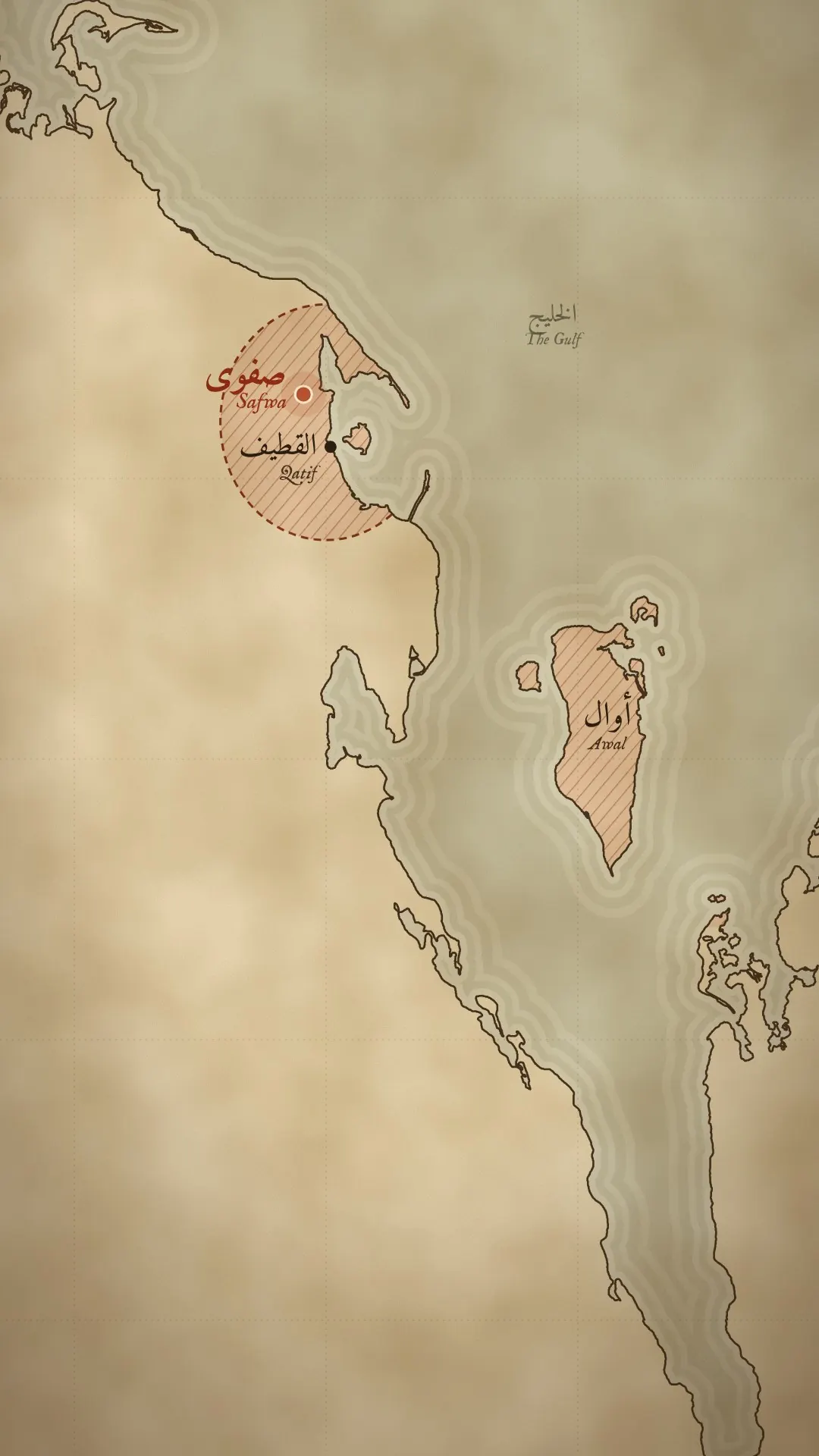
إمارة آل عياش إمارة قصيرة العمر قامت في القطيف في السنوات الأخيرة من حكم القرامطة. فقد طرد يحيى بن العياش عمّال القرامطة من القطيف، وضمّ ابنه زكريا جزيرة أوال (البحرين) إليها. ودامت حتى سنة 1077م، حين هزم عبدالله بن علي العيوني زكريا، وضمّ القطيف وأوال إلى الدولة العيونية الناشئة. وتُظهر خريطة الإمارة في ويكيبيديا العربية صفوى ضمن أراضيها.
مع انهيار سلطة القرامطة بسط آل عياش سيطرتهم على القطيف، وأسّسوا إمارةً قصيرة العمر على الساحل. وتُظهر خريطة الإمارة في ويكيبيديا العربية صفوى ضمن أراضيها.
إمارة آل عياشويكيبيديا العربية – خريطة إمارة آل عياش
قامت الإمارة في السنوات الأخيرة من حكم القرامطة، حين انشقّ زعماء محليون واستولوا على أوال (البحرين) والقطيف. ودامت حتى سبعينيات القرن الحادي عشر الميلادي، حين ضمّ عبدالله بن علي العيوني المنطقة إلى الدولة العيونية الناشئة.
وإن صحّت الخريطة، فقد انتقلت صفوى من القرامطة إلى آل عياش، ثم إلى العيونيين، في غضون عشرين عاماً تقريباً.
والخريطة هنا، المعاد رسمها عن خريطة ويكيبيديا العربية، تُظلّل شطرَي الإمارة: الساحل المحيط بالقطيف ومنه صفوى، وجزيرة أوال.
ويضيف مقال «تاريخ القطيف» في ويكيبيديا العربية أن ابن العياش استولى على القطيف نحو سنة 1075م، وأن قوة سلجوقية بقيادة أرتق بك، أُرسلت لنجدة العيونيين، نهبت البلدة بعد ذلك بنحو عام.
2ثورتان على القرامطة
كانت الدولة القرمطية تضعف منذ أواخر القرن العاشر الميلادي، إذ تدخّل العباسيون والفاطميون في شؤونها، وثارت عليها القبائل في عُمان وجنوب العراق والبحرين. وفي منتصف القرن الحادي عشر قامت على الساحل ثورتان.
ففي جزيرة أوال كان أبو البهلول العوام بن محمد بن يوسف الزجّاج، من عبد القيس، يضمن خراج الجزيرة لوالي القرامطة. فثار عليهم نحو سنة 1058م، وخُطب له فيها بالإمارة، واستولى على ميناء العقير، فقطع على القرامطة منفذهم إلى البحر.
وفي القطيف ثار يحيى بن العياش، وطرد منها عمّال القرامطة. ويسمّيه أحد الكتّاب المحدثين «الجذمي»، من عبد القيس. وطمع في ضمّ أوال، بل الأحساء، إلى ملكه، لكنه مات قبل أن يتمّ له ذلك، فأوصى ابنه زكريا بالمهمة.
3زكريا بن يحيى وأوال
جهّز زكريا بن يحيى جيشاً وعبر به إلى أوال، فظفر بأبي البهلول وقتله، واستولى على الجزيرة. فصارت القطيف وأوال كلتاهما في يد آل عياش.
ولم يدم الوفاق بين شطرَي الإمارة. فتذكر الروايات أن الحسن بن يحيى كان يحكم أوال، وأخاه زكريا يحكم القطيف. وكان الحسن يسعى إلى توثيق صلته بالعيونيين الصاعدين، فكره زكريا ذلك، ودبّر قتل أخيه بنصيحة من وزيره «العكروت»، وانفرد بأوال.
4الجيش السلجوقي
وفي تلك الأثناء كان عبدالله بن علي العيوني يحاصر القرامطة في الأحساء، وطلب العون من السلطان السلجوقي في بغداد. فوصل جيش سلجوقي سنة 1076م، واستولى في طريقه على القطيف، وطرد حاكمها ابن عياش إلى جزيرة أوال، ثم اتجه إلى الأحساء وشارك في حصار القرامطة.
وتختلف المصادر في اسم قائد هذا الجيش: فمقال «الدولة العيونية» في ويكيبيديا العربية، نقلاً عن الشرعان، يسمّيه «أكسك سلار»، بينما يسمّيه مقال «تاريخ القطيف» «أرتق بك»، ويذكر أن الجيش نهب البلدة.
5نهاية الإمارة
ثم زحف زكريا على الأحساء، فلما بلغ قرية من سوادها تُسمّى «ناظرة» نهب مزارعها، فأرسل إليه عبدالله جيشاً من أهل بيته وبني عمّه من عبد القيس. فانهزم زكريا ونُهبت أمتعته، وارتدّ إلى القطيف.
فتبعه عبدالله في نحو ألف فارس حتى القطيف واستولى عليها، ففرّ زكريا مرة أخرى إلى أوال. فأرسل عبدالله جيشاً وسفناً بقيادة ابنه الفضل، فهزمه في الجزيرة. وهرب زكريا إلى العقير، فأدركه جند عبدالله وقتلوه سنة 1077م.
وبذلك انتهت الإمارة. فولّى عبدالله ابنه الفضل على القطيف، وابنه علياً على أوال، وجعل الأحساء عاصمته. وانتقلت صفوى، بوصفها جزءاً من واحة القطيف، مع سائر الساحل إلى الدولة العيونية.
6ما بقي من أخبارهم
لا يُعرف عن آل عياش إلا القليل. وقد لاحظ الشيخ حمد الجاسر سنة 2000م أن خبر حكمهم للقطيف وأوال يُعرف في الغالب من شروح ديوان الشاعر العيوني علي بن المقرّب، ومن تاريخ ابن لعيبون. ويذكر ابن المقرّب سقوطهم في بيت يقول فيه: «ولم يُنجِّ عياشٍ بمهجته يمٌّ». وذكر الجاسر أيضاً أن في القطيف أرضاً لا تزال تُدعى «العيّاشية»، لعلها تحمل اسمهم.
The Al ʿAyyash emirate was a short-lived state based in Qatif in the last years of Qarmatian rule. Yahya ibn al-ʿAyyash drove the Qarmatians' agents out of Qatif, and his son Zakariyya added the island of Awal (Bahrain). It lasted until 1077, when ʿAbd Allah ibn ʿAli al-Uyuni defeated Zakariyya and brought Qatif and Awal into the new Uyunid state. A map of the emirate on Arabic Wikipedia places Safwa within its lands.
As Qarmatian power collapsed, the Al ʿAyyash family took control of Qatif and founded a short-lived emirate on the coast. A map of the emirate on Arabic Wikipedia places Safwa within its territory.
The Al ʿAyyash emirateArabic Wikipedia – Map of the Al ʿAyyash Emirate
The emirate rose in the last years of Qarmatian rule, when local leaders broke away and seized Awal (Bahrain) and Qatif. It lasted until the 1070s, when ʿAbd Allah ibn ʿAli al-Uyuni brought the region under the new Uyunid state.
If the map is right, Safwa passed from the Qarmatians to the Al ʿAyyash, and then to the Uyunids, within about twenty years.
The map here, redrawn after the one on Arabic Wikipedia, shades the emirate's two parts: the coast around Qatif, including Safwa, and the island of Awal.
The Arabic Wikipedia history of Qatif adds that Ibn al-ʿAyyash took Qatif in about 1075, and that a year or so later a Seljuk force under Artuq Bey, sent to help the Uyunids, sacked the town.
2Two revolts against the Qarmatians
The Qarmatian state had been weakening since the late 10th century, as the Abbasids and the Fatimids meddled in its affairs and tribes rose against it in Oman, southern Iraq and al-Bahrayn. In the middle of the 11th century two revolts broke out on the coast.
On the island of Awal, Abu al-Bahlul al-ʿAwwam ibn Muhammad ibn Yusuf al-Zajjaj, of the ʿAbd al-Qays, collected the island's taxes for the Qarmatian governor. He rose against them around 1058, had the Friday sermon read in his own name, and took the port of al-ʿUqayr, cutting the Qarmatians off from the sea.
In Qatif, Yahya ibn al-ʿAyyash rose in turn and drove out the Qarmatians' agents. One modern writer calls him al-Jadhimi, of the ʿAbd al-Qays. He hoped to add Awal, and even al-Ahsa, to his lands, but died before he could, and left the task to his son Zakariyya.
3Zakariyya and Awal
Zakariyya ibn Yahya raised an army, crossed to Awal, defeated Abu al-Bahlul and killed him, and took the island. Qatif and Awal were now both in the hands of the Al ʿAyyash.
The two halves of the emirate did not stay at peace. The accounts say that Yahya's son al-Hasan held Awal while his brother Zakariyya held Qatif. Al-Hasan tried to draw closer to the rising Uyunids; Zakariyya opposed this, and on the advice of his vizier, al-ʿAkrut, had his brother killed and took Awal for himself.
4The Seljuk army
Meanwhile ʿAbd Allah ibn ʿAli al-Uyuni was besieging the Qarmatians in al-Ahsa, and asked the Seljuk sultan in Baghdad for help. A Seljuk army arrived in 1076. On its way it took Qatif and drove its ruler, Ibn al-ʿAyyash, across the water to Awal, then went on to join the siege of al-Ahsa.
Sources differ on the name of its commander. Arabic Wikipedia's article on the Uyunid state, following al-Sharʿan, calls him Aksak Salar, while its history of Qatif names Artuq Bey and says the army sacked the town.
5The end of the emirate
Zakariyya then marched on al-Ahsa. When he reached Nazira, a village in the farmland of al-Ahsa, he plundered its fields, and ʿAbd Allah sent against him an army of his own family and cousins of the ʿAbd al-Qays. Zakariyya was defeated, lost his baggage, and fell back to Qatif.
ʿAbd Allah followed him there with about a thousand horsemen and took Qatif, and Zakariyya fled once more to Awal. ʿAbd Allah sent an army and ships under his son al-Fadl, who beat him on the island. Zakariyya escaped to al-ʿUqayr, where ʿAbd Allah's men caught him and killed him in 1077.
With that the emirate ended. ʿAbd Allah made his son al-Fadl emir of Qatif and his son ʿAli emir of Awal, and kept al-Ahsa as his capital. Safwa, as part of the Qatif oasis, passed with the rest of the coast into the Uyunid state.
6What is known of them
Little is known of the Al ʿAyyash. The scholar Hamad al-Jasir noted in 2000 that their rule over Qatif and Awal is known mostly from the commentaries on the diwan of the Uyunid poet ʿAli ibn al-Muqarrab, and from the history of Ibn Luʿaybun. Ibn al-Muqarrab recalls their fall in a line saying that the sea did not save ʿAyyash's life. Al-Jasir also noted a piece of land in Qatif still called al-ʿAyyashiyya, which may keep their name.

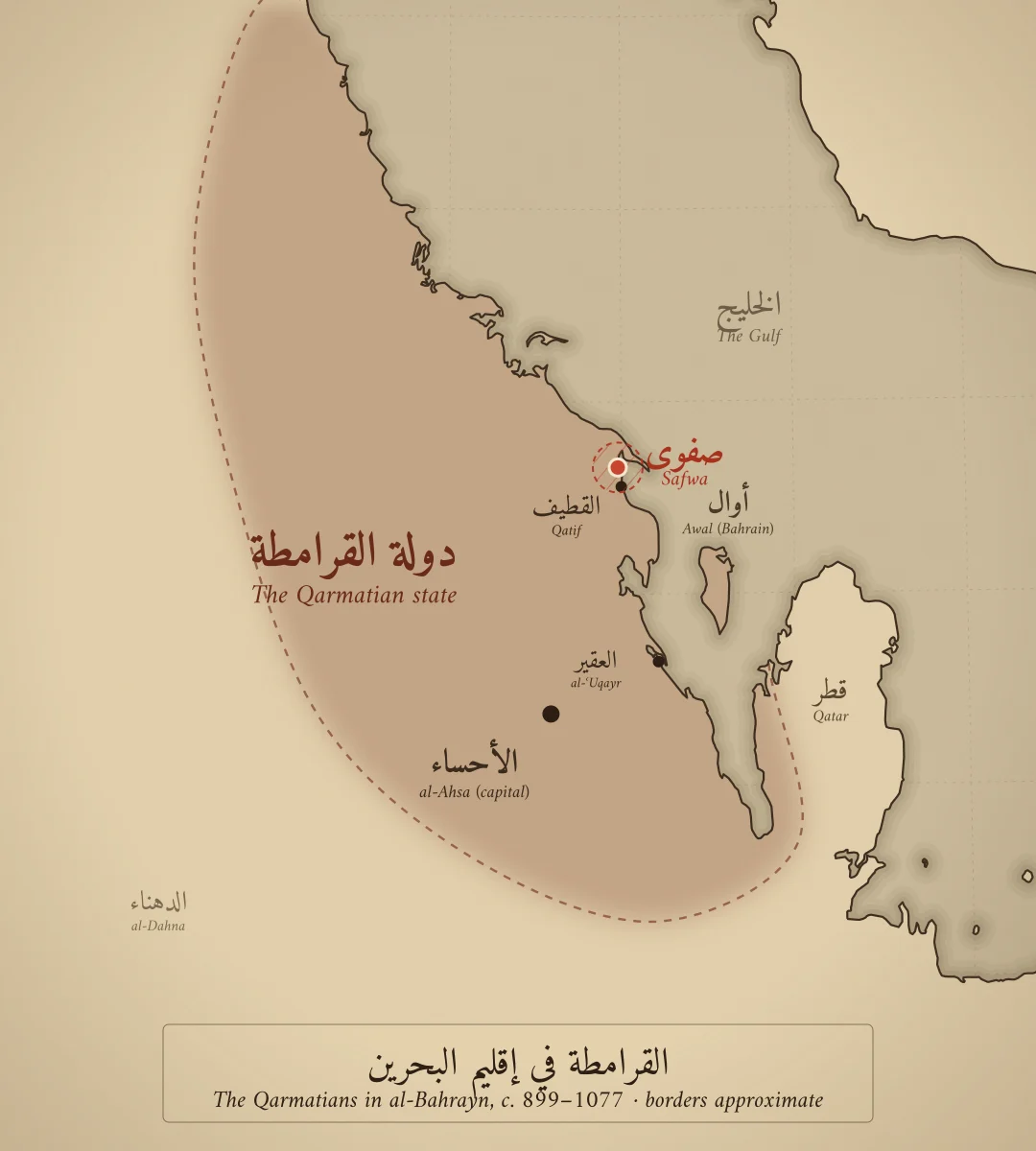 القرامطةدولة حكمت شرق الجزيرة العربية، ومنها القطيف، قرابة قرنين.
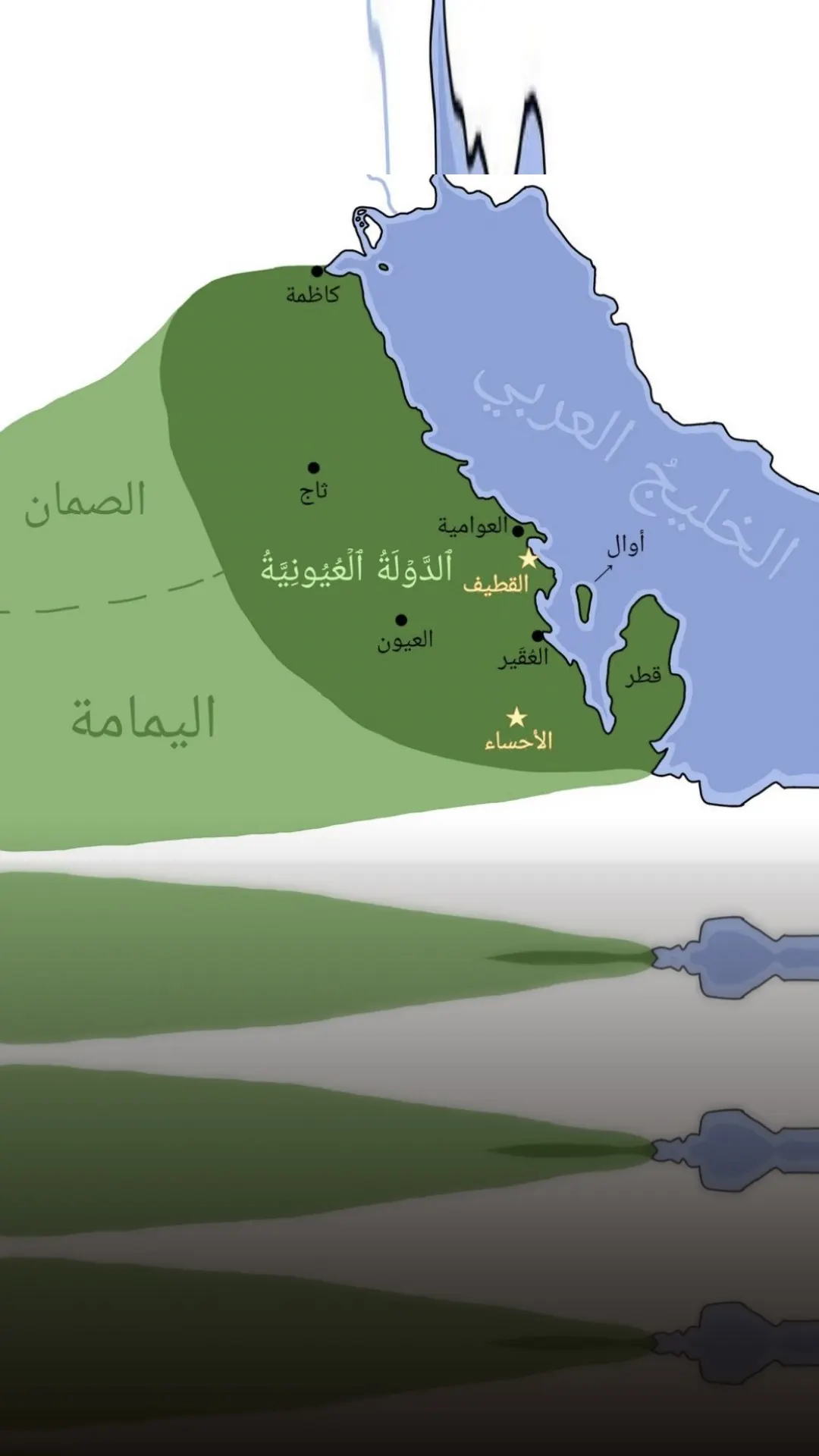 العيونيون والعصفوريوندولتان عربيتان حكمتا شرق الجزيرة العربية، وشهدت صفوى معاركهما.
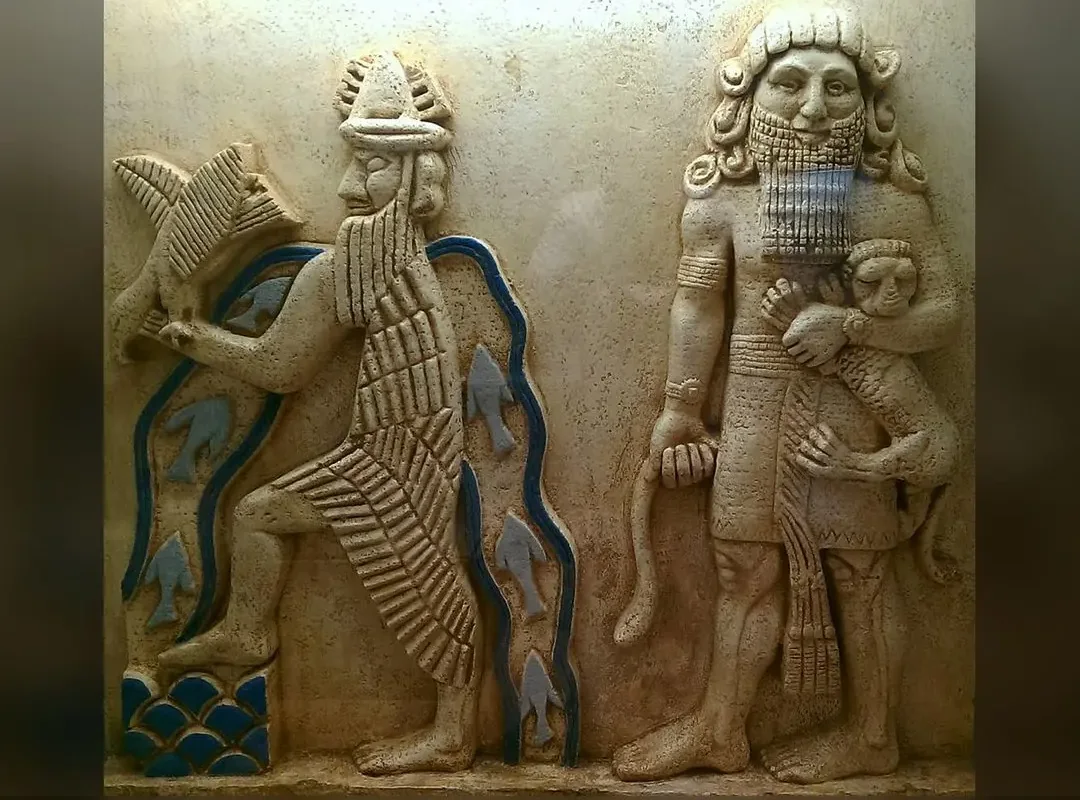 إقليم البحرينالاسم القديم لساحل شرق الجزيرة العربية كله، ومنه القطيف وصفوى، قبل أن يقتصر على جزر أوال.
 عبد القيسالقبيلة العربية التي استوطنت إقليم البحرين قبل الإسلام.