
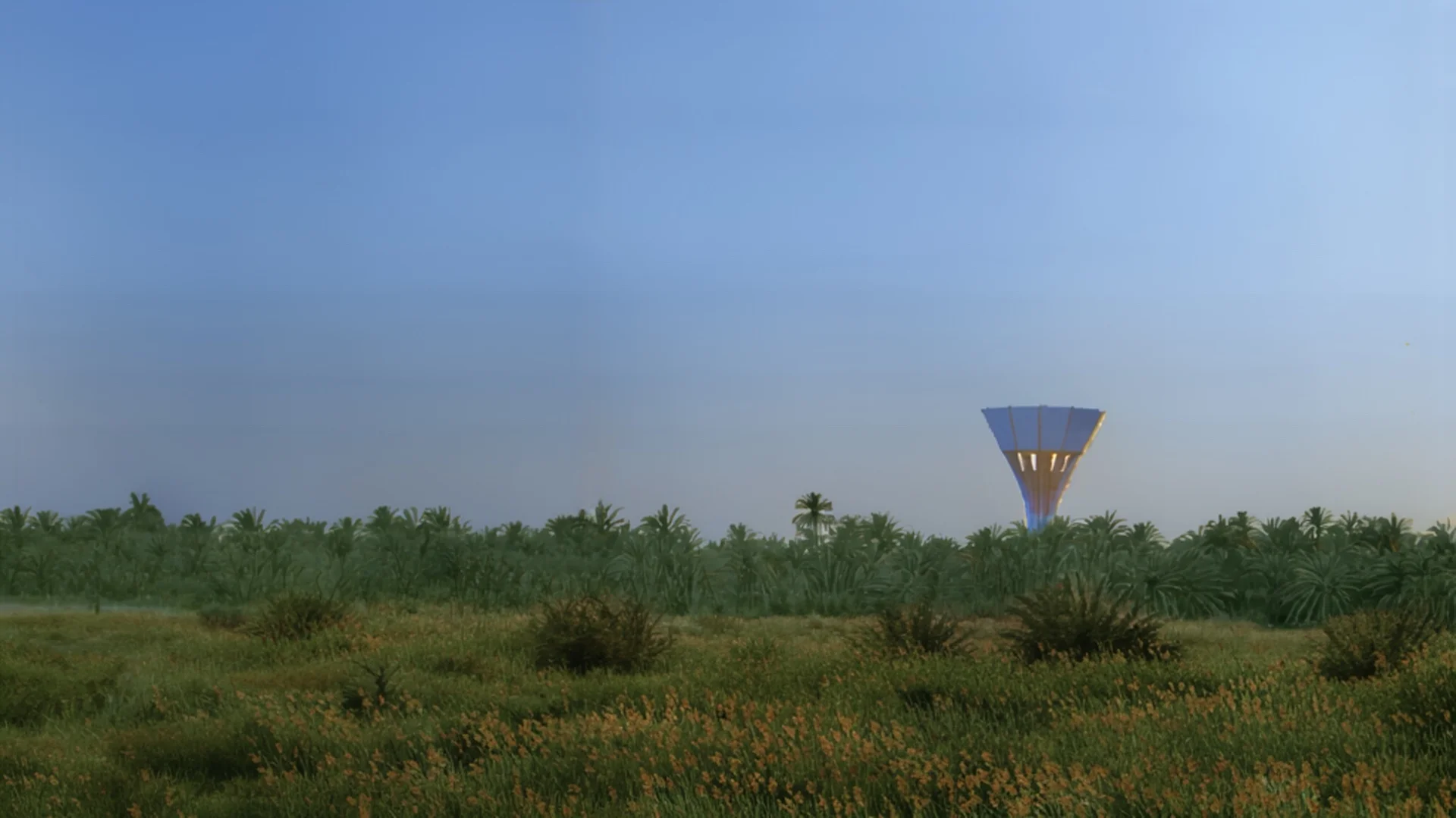
موسوعة صفوانيبيديا تجمع تاريخ صفوى في مقالات بحسب الموضوع: أماكنها، واسمها، والشعوب والدول التي حكمتها، وحياة أهلها. وكل مقالة مرتبطة بشرائح الخط الزمني التي أُخذت منها.
أماكن
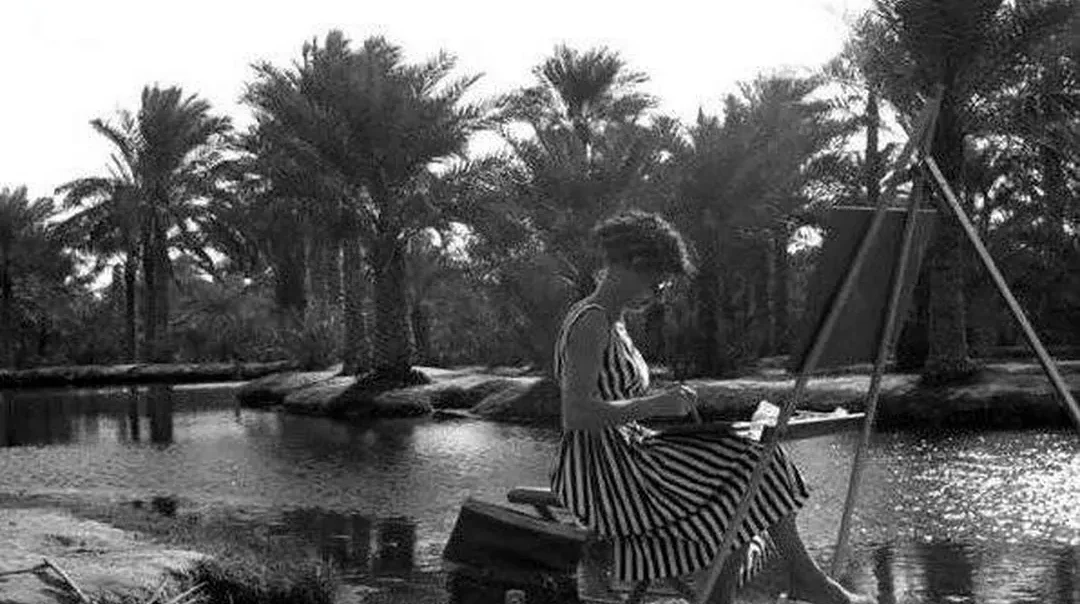 عين داروشعين صفوى الكبرى، سقت نخيل البلدة آلاف السنين.
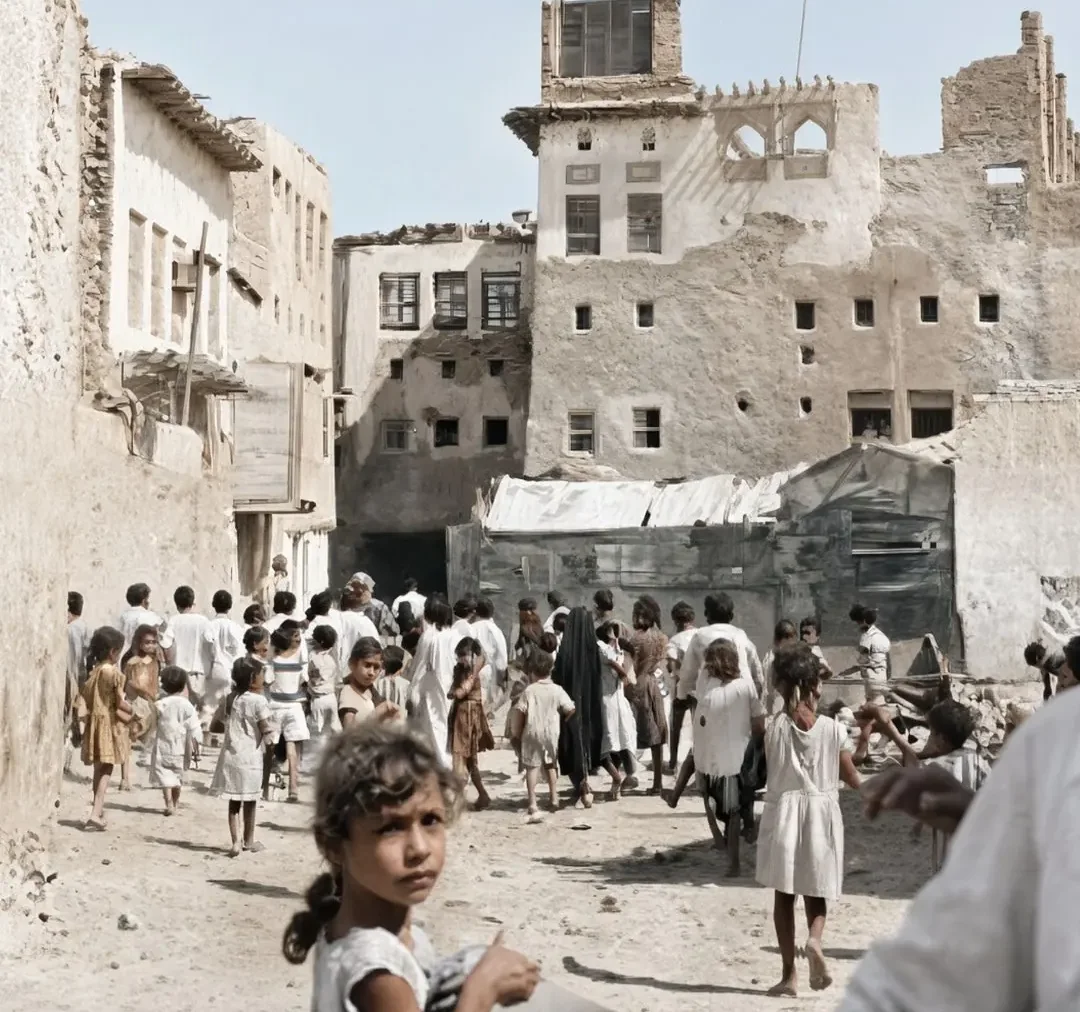 الديرة، البلدة المسوّرةقلب صفوى القديم: سورها وأبوابها وكوتها ومسجدها الجامع، حتى أُزيلت سنة 1989م.
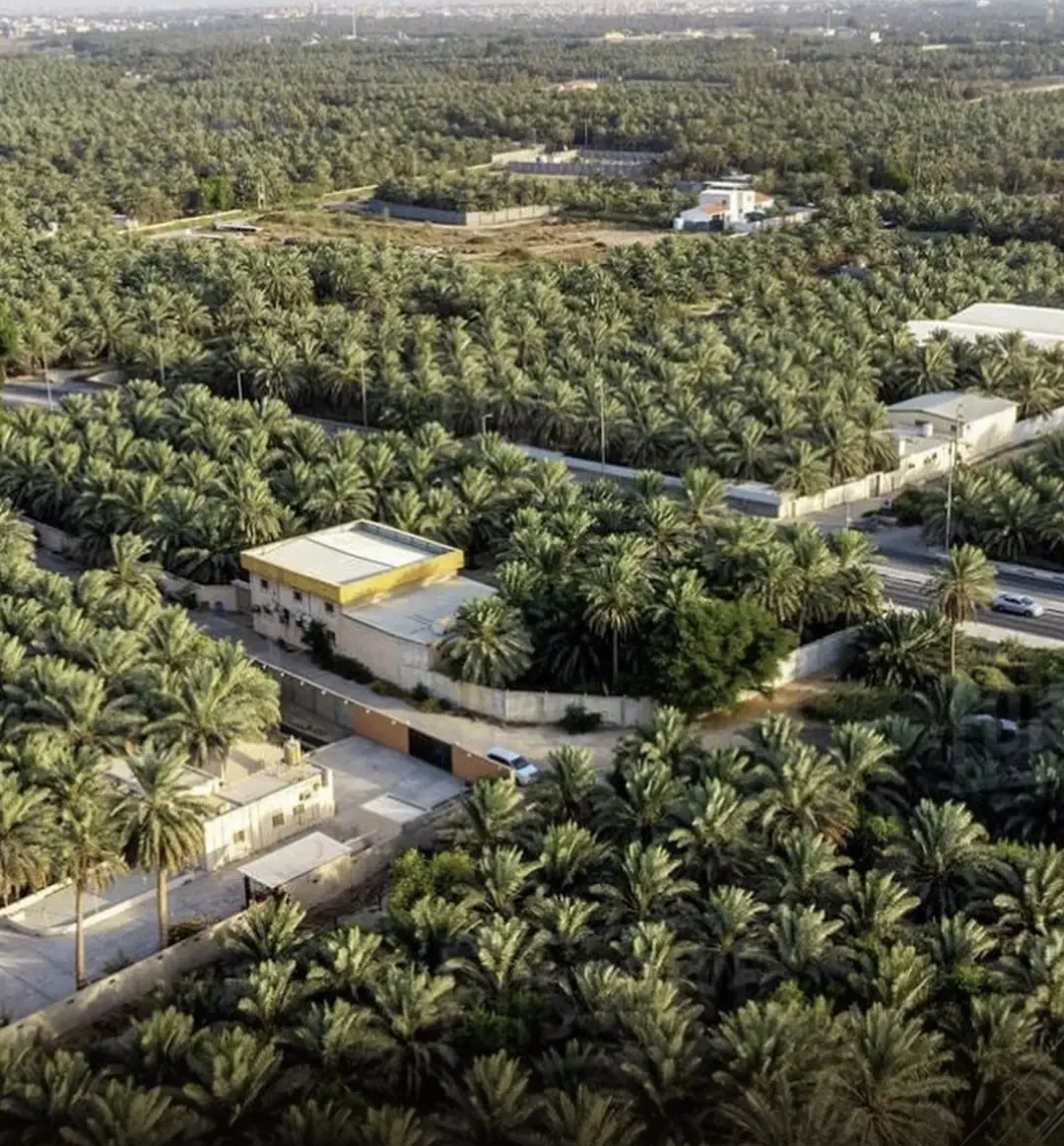 أحياء صفوىمن الديرة وفرقان النخيل إلى مدينة العمال وأحياء العروبة.
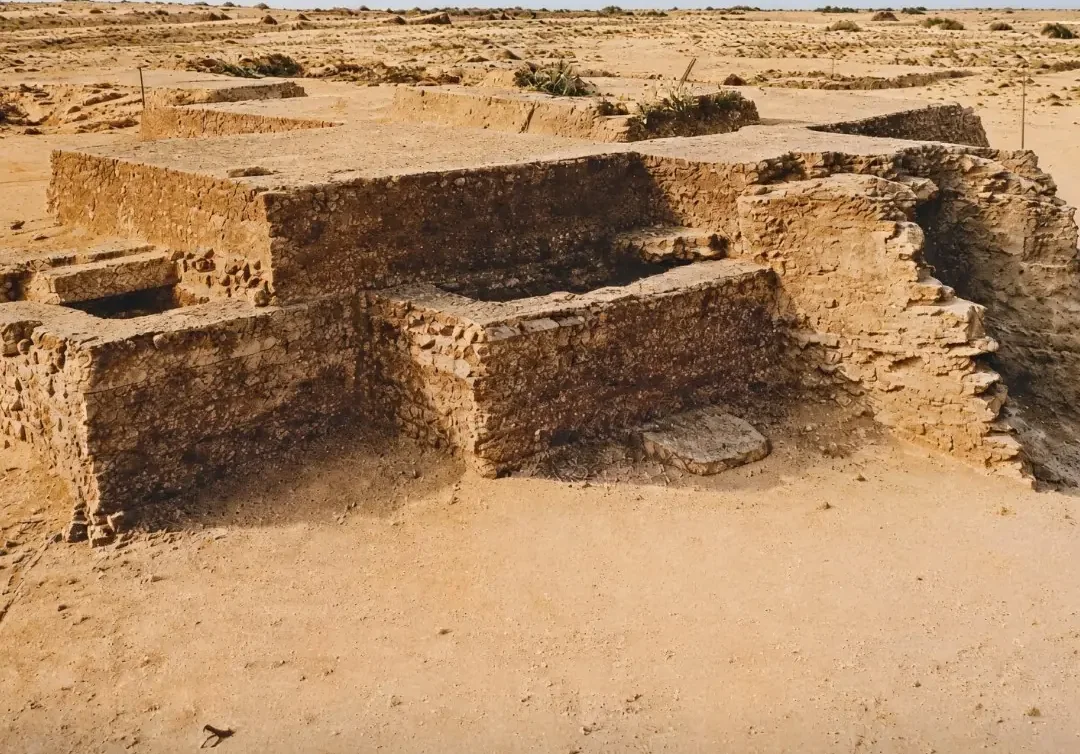 جاوانموقع أثري شمال صفوى، سُكن قرابة ألف عام.
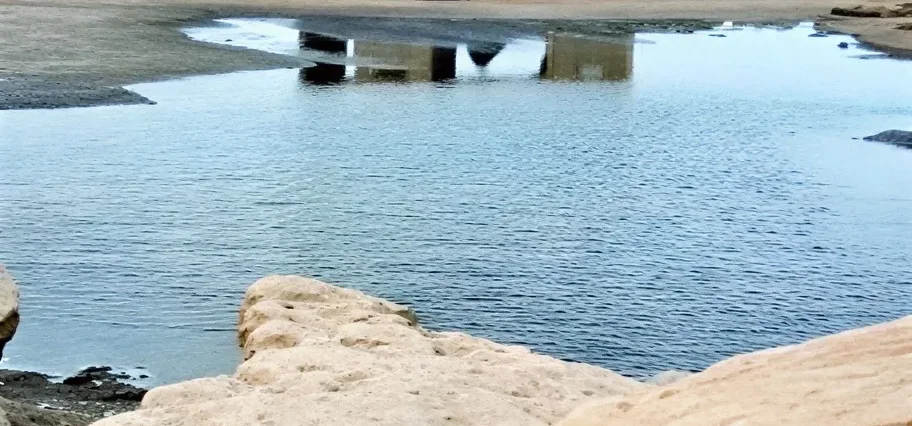 ميناء صفوى وساحلهاالفرضة والجمرك، وحظور الصيد، وغابة القُرم، وطيور الساحل.
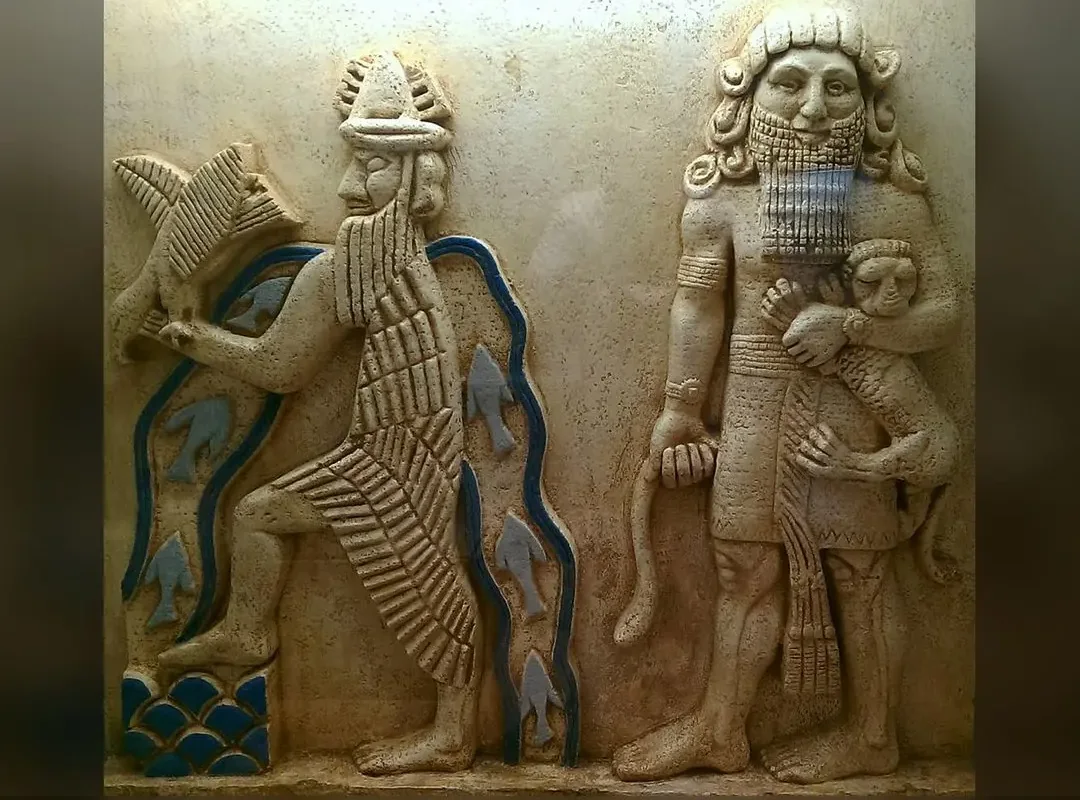 إقليم البحرينالاسم القديم لساحل شرق الجزيرة العربية كله، ومنه القطيف وصفوى، قبل أن يقتصر على جزر أوال.
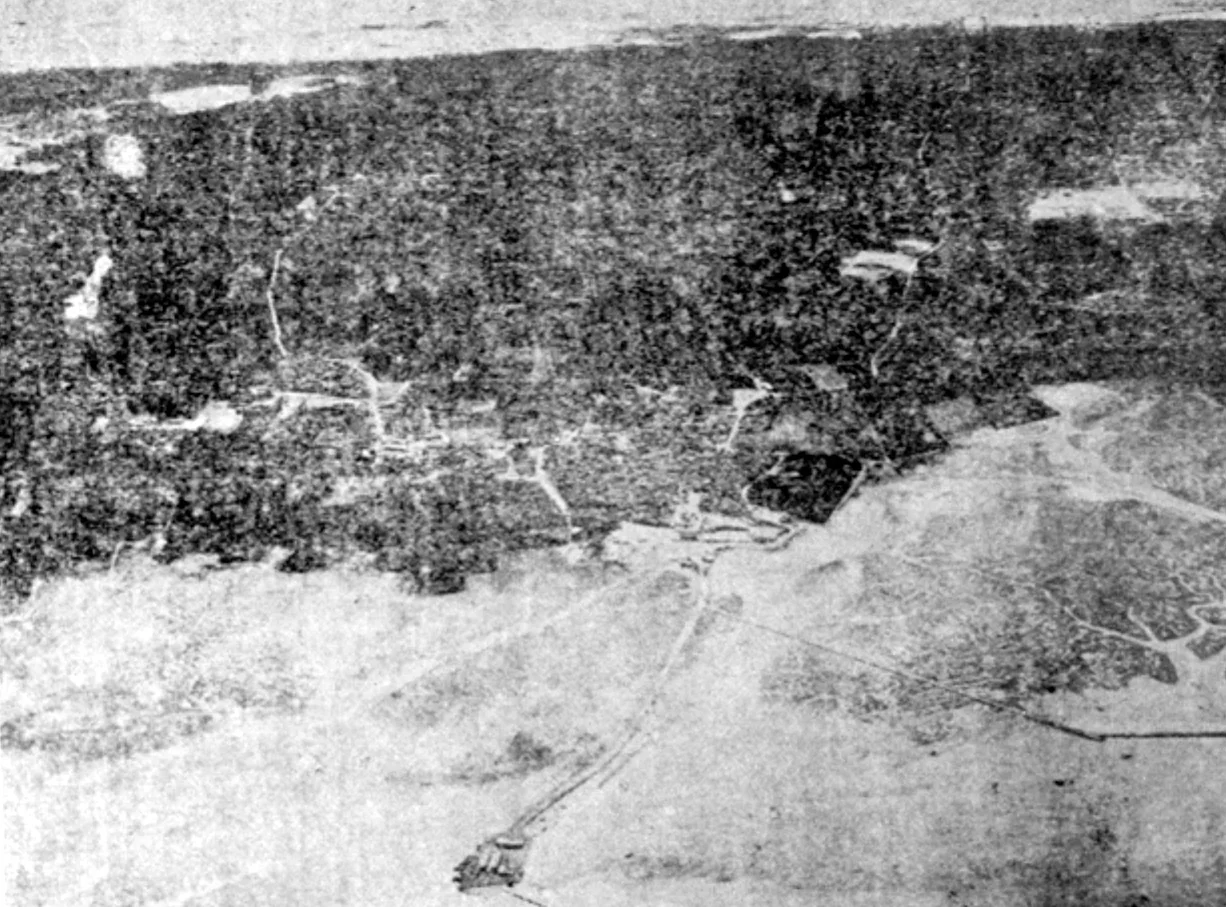 واحة القطيفالواحة الخضراء التي تقع صفوى في طرفها الشمالي: أسماؤها وأرضها ومناخها.
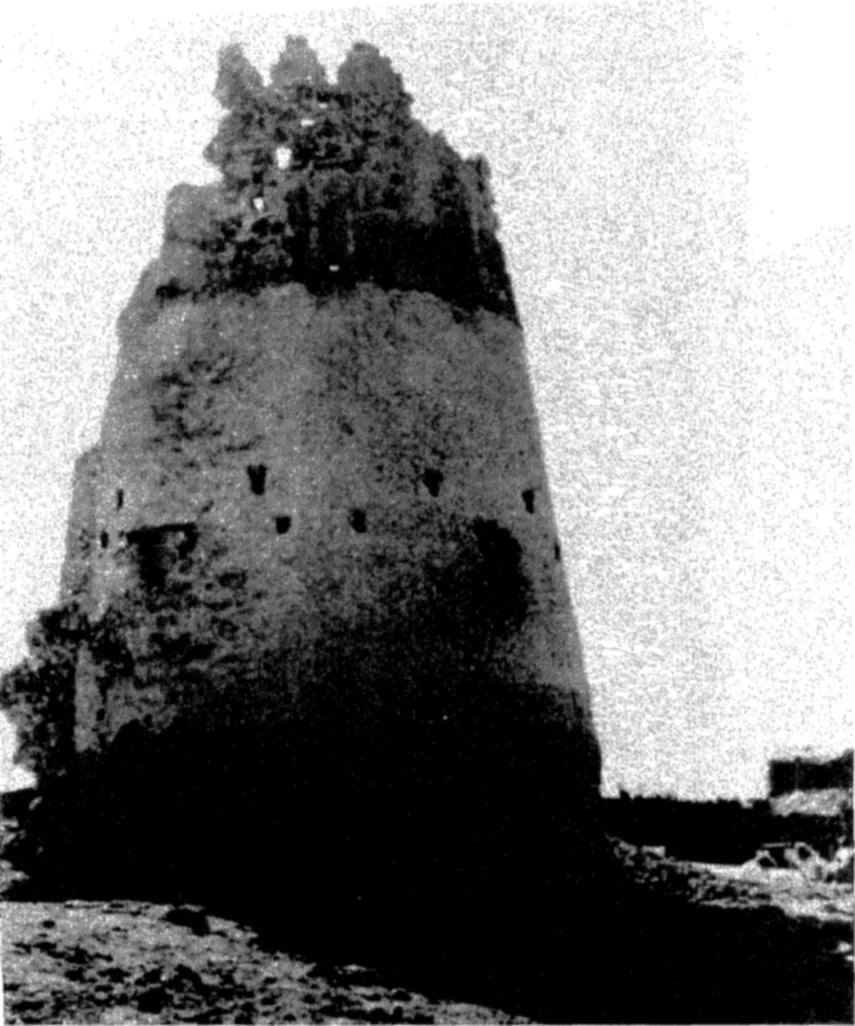 قلاع الواحة وأبراجهاأسوار القطيف وصفوى وتاروت وسيهات وأبراجها، ومن بناها.
الاسم والمصادر
 اسم صفوىالصفا، وصفوان، وصفواء: كيف ورد اسم البلدة في الشعر والمعاجم.
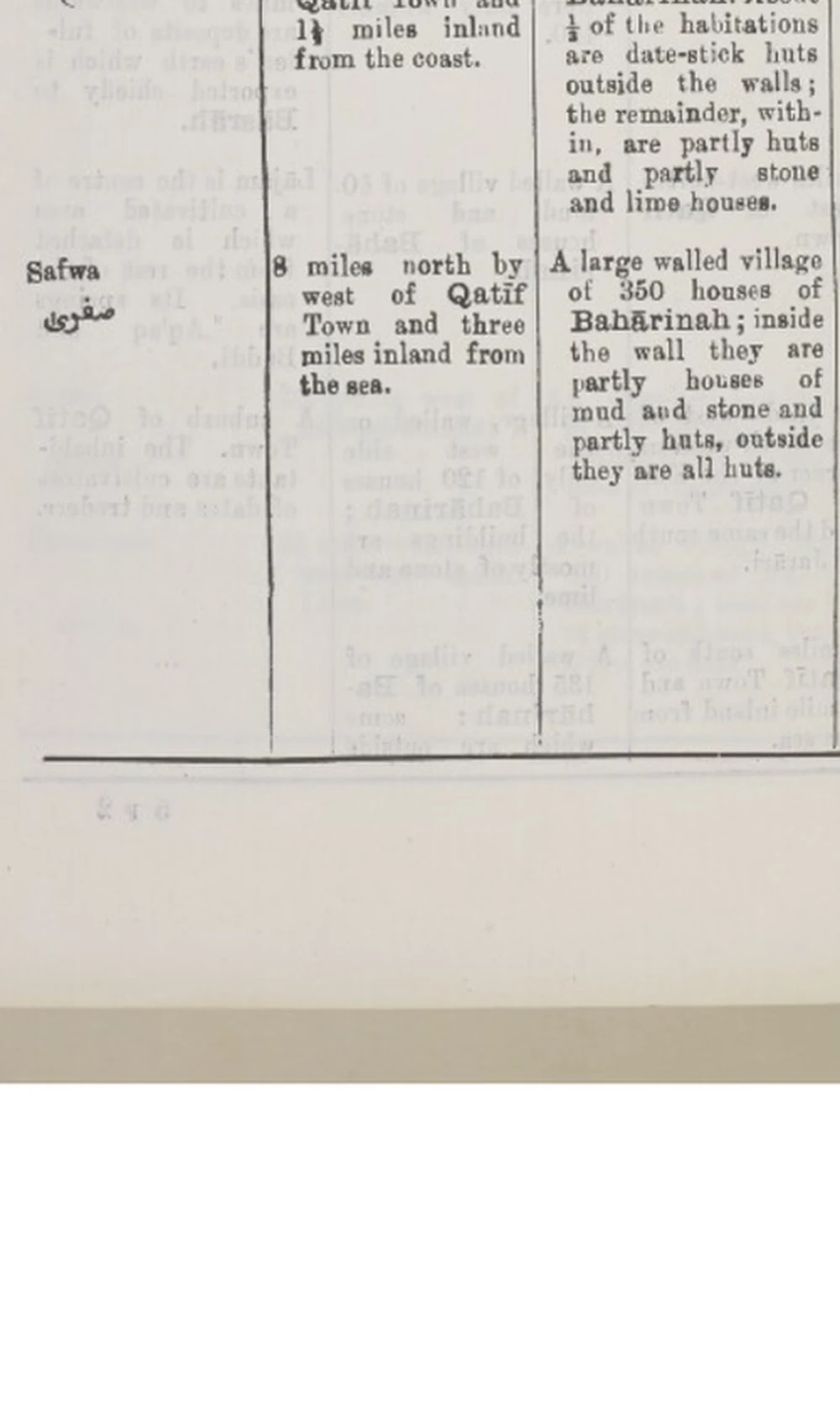 صفوى في كتب الرحّالةما كتبه الرحّالة والأدلة البريطانية عن صفوى والقطيف.
الشعوب والحكّام
شعوب ما قبل الميلادأهل دلمون والجرهائيون وقبيلة شذب: من سكن ساحل صفوى قبل الميلاد. عبد القيسالقبيلة العربية التي استوطنت إقليم البحرين قبل الإسلام.
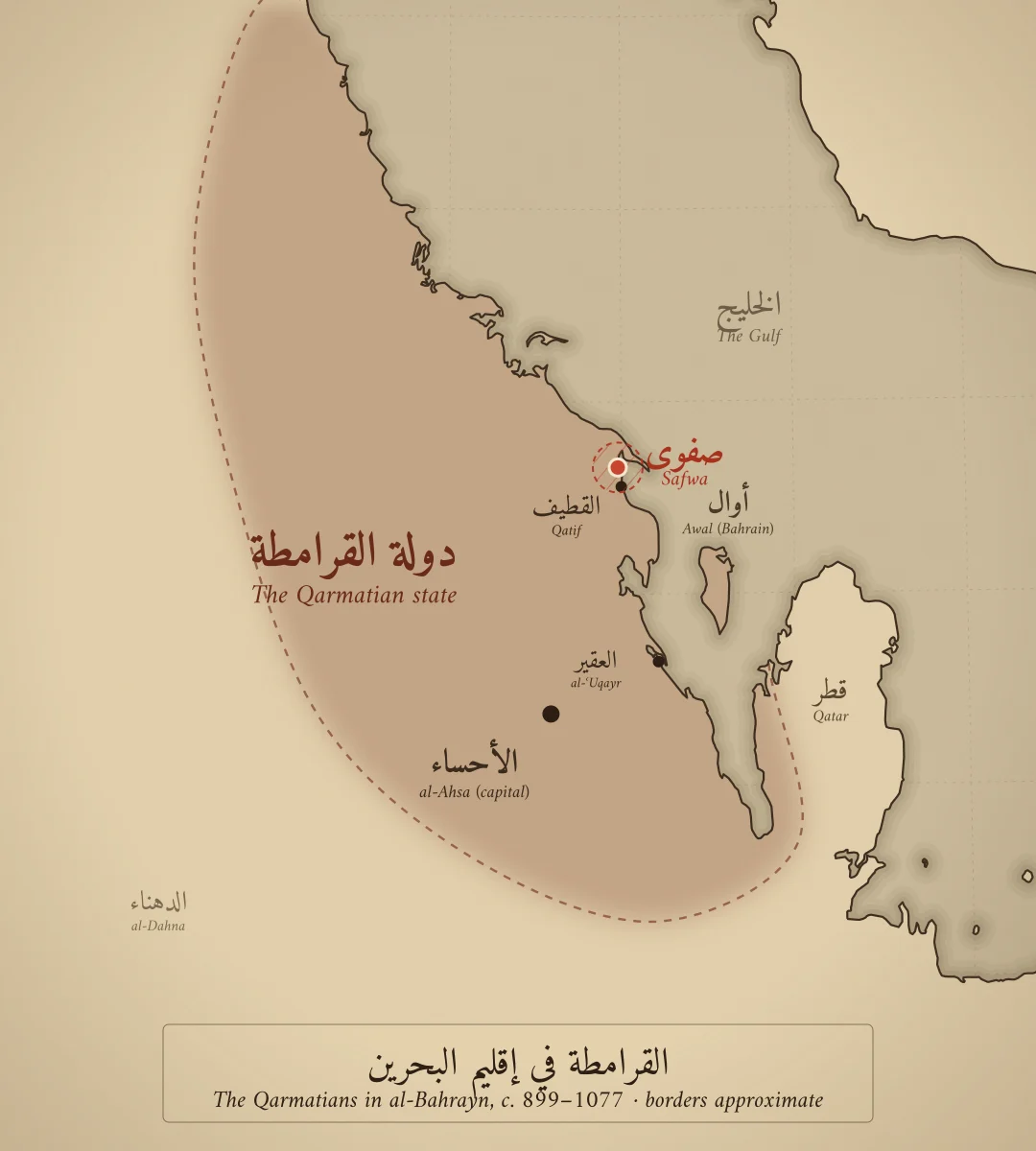 القرامطةدولة حكمت شرق الجزيرة العربية، ومنها القطيف، قرابة قرنين.
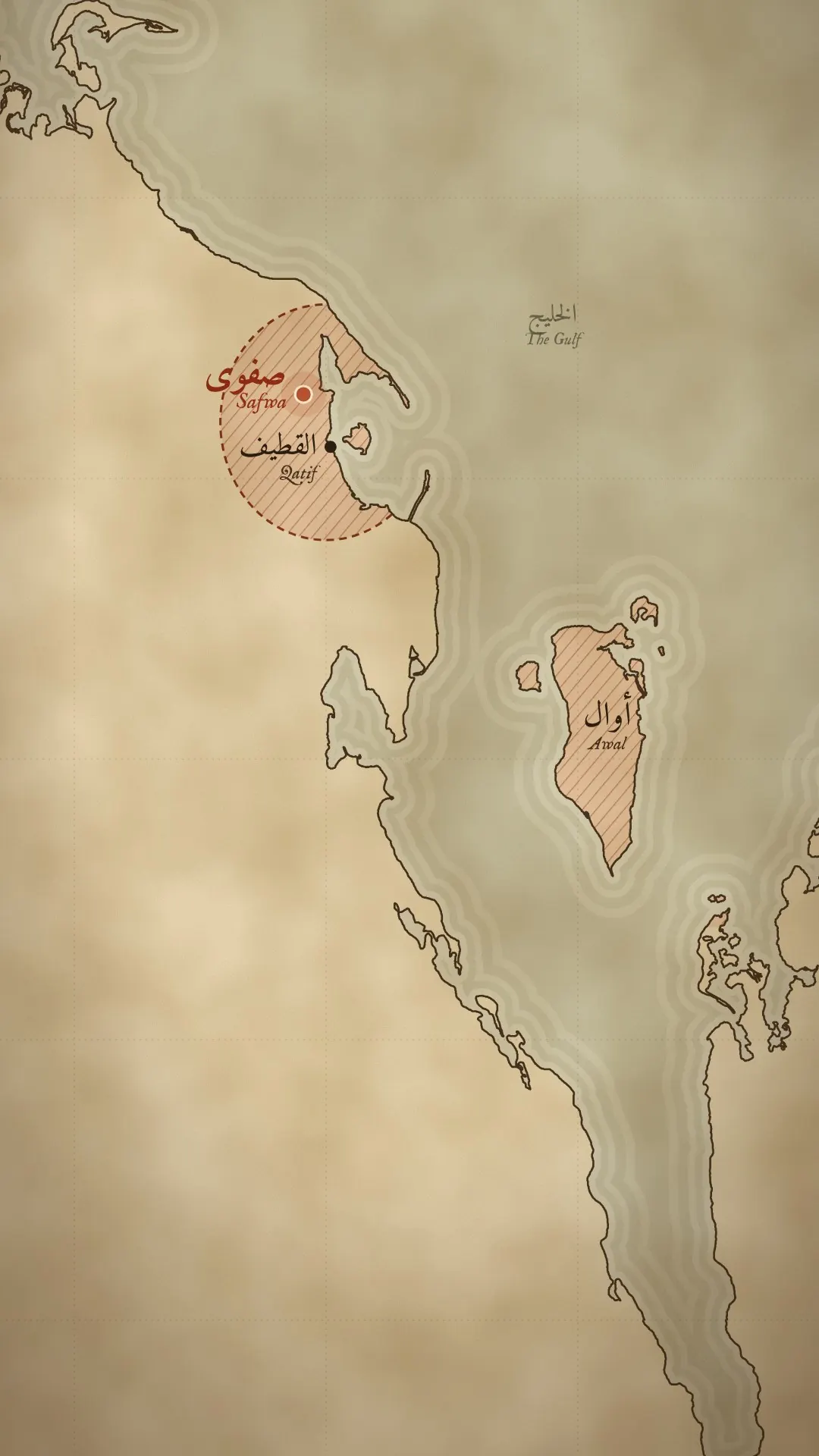 إمارة آل عياشإمارة قصيرة العمر قامت في القطيف بين سقوط القرامطة وقيام الدولة العيونية.
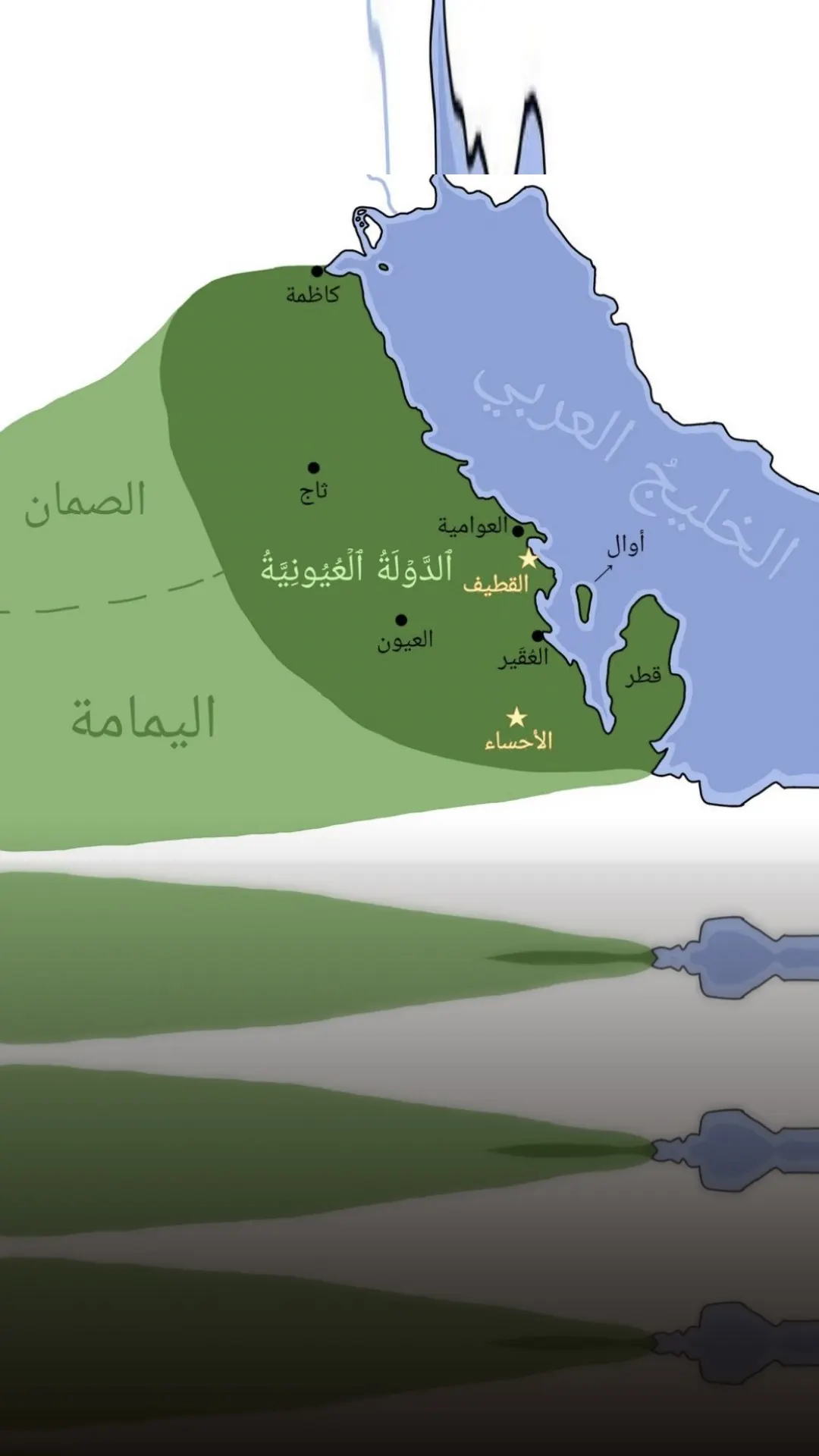 العيونيون والعصفوريوندولتان عربيتان حكمتا شرق الجزيرة العربية، وشهدت صفوى معاركهما.
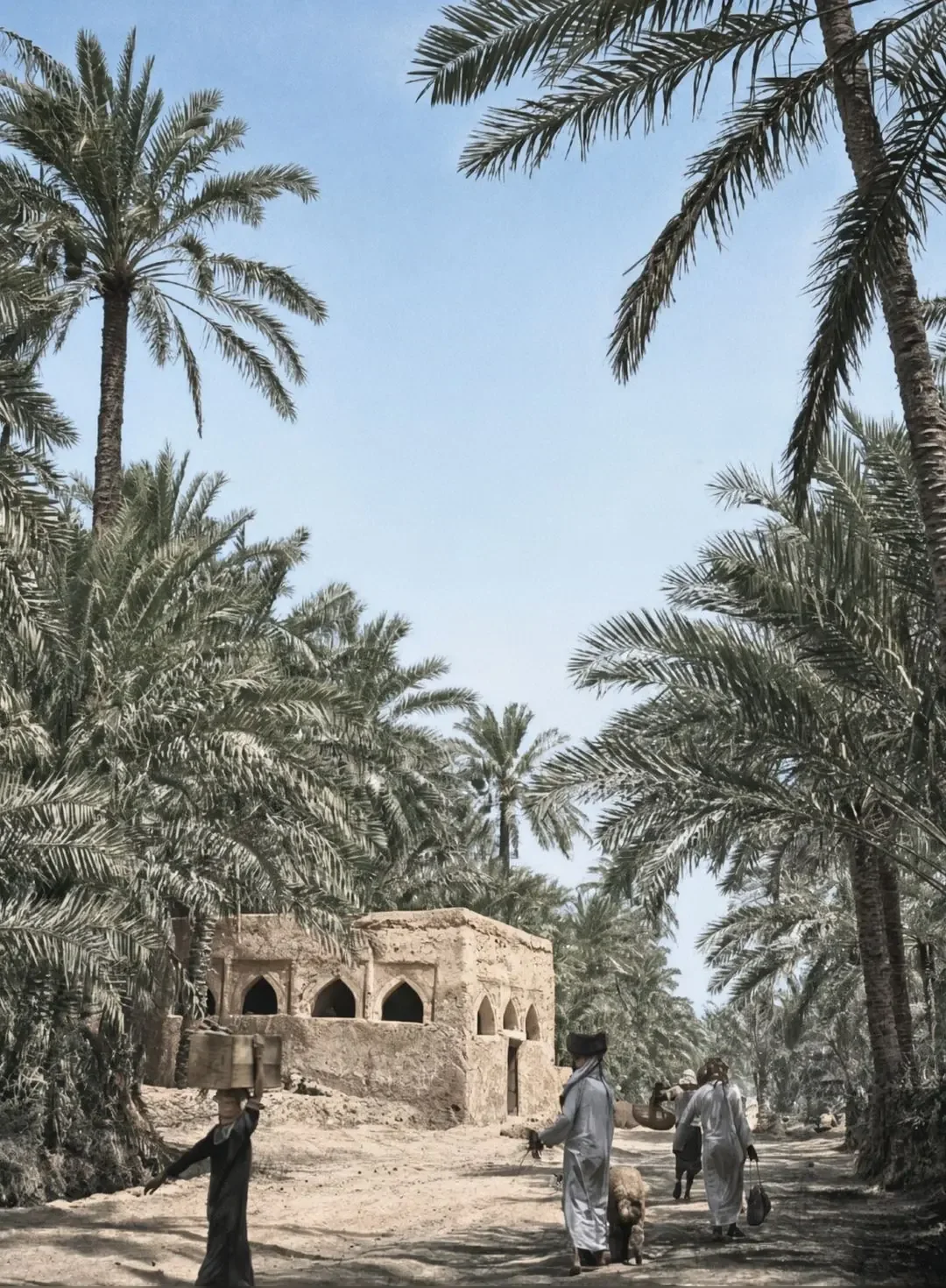 الجروانيونأسرة عربية حكمت شرق الجزيرة العربية من القطيف في القرن الرابع عشر الميلادي.
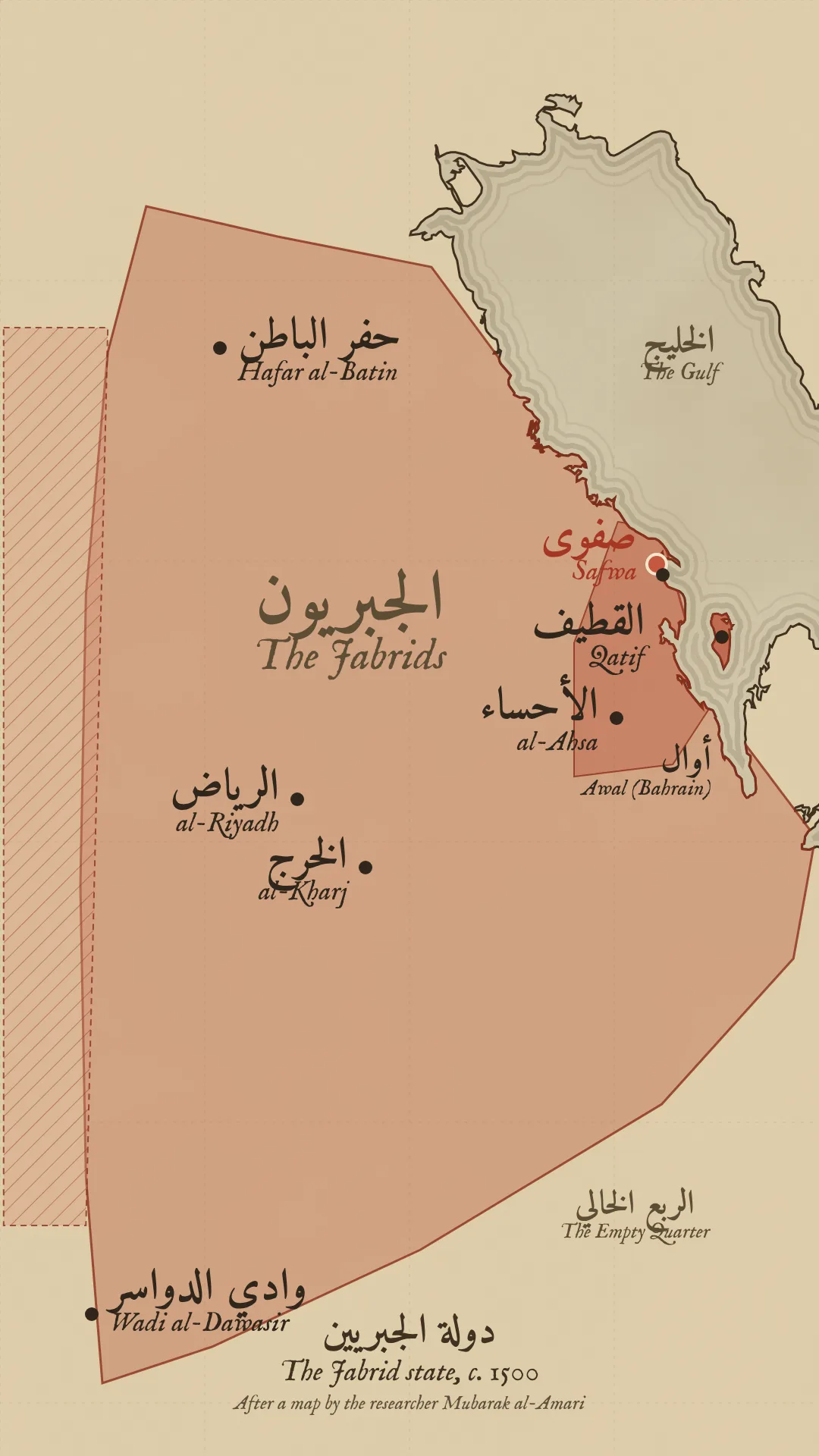 الجبريونأسرة عربية من بني عقيل حكمت شرق الجزيرة العربية حتى قدوم البرتغاليين.
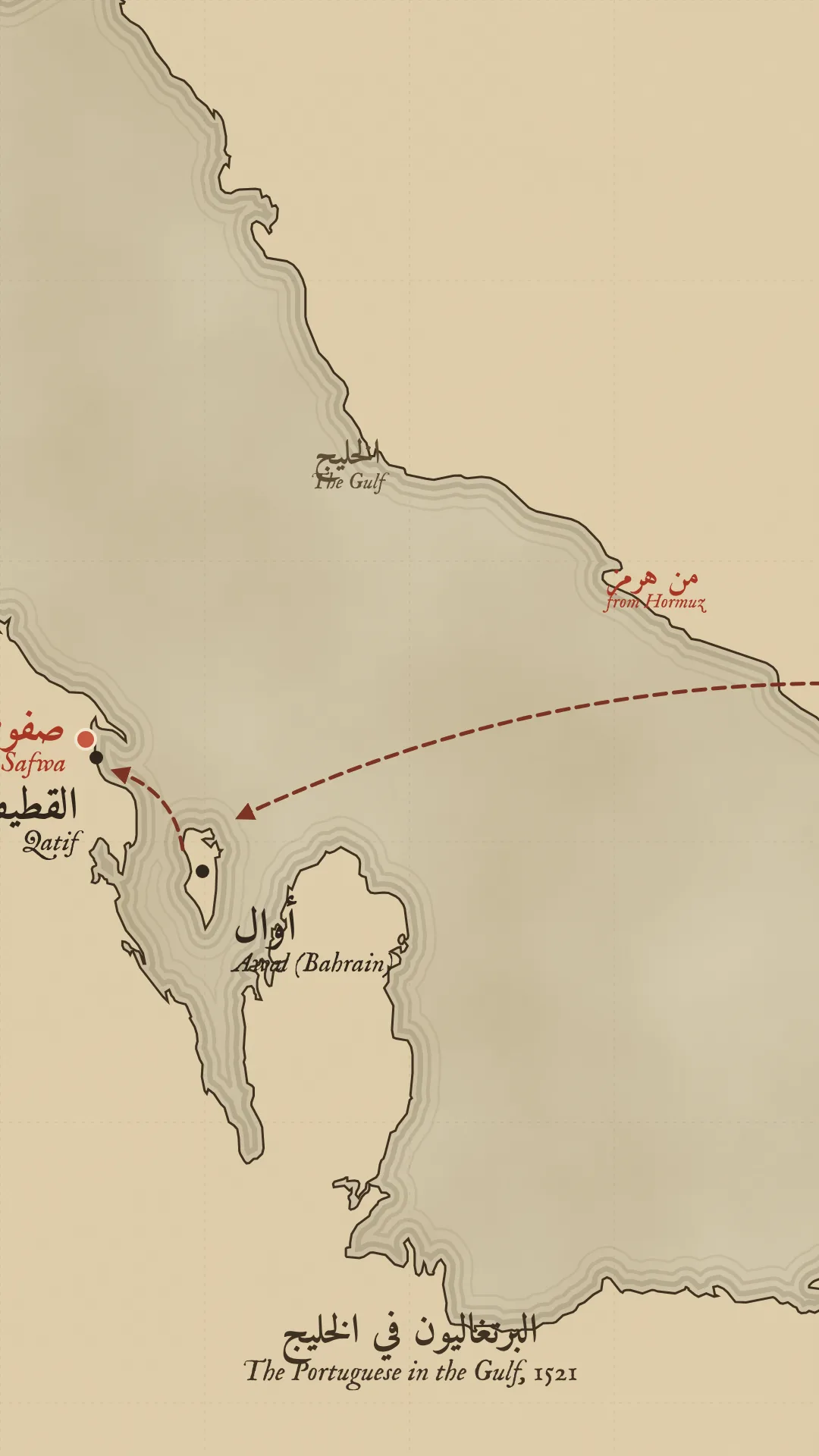 البرتغاليون والعثمانيونقرن من التنافس على القطيف وسواحلها، ترك في صفوى الكوت وسورها.
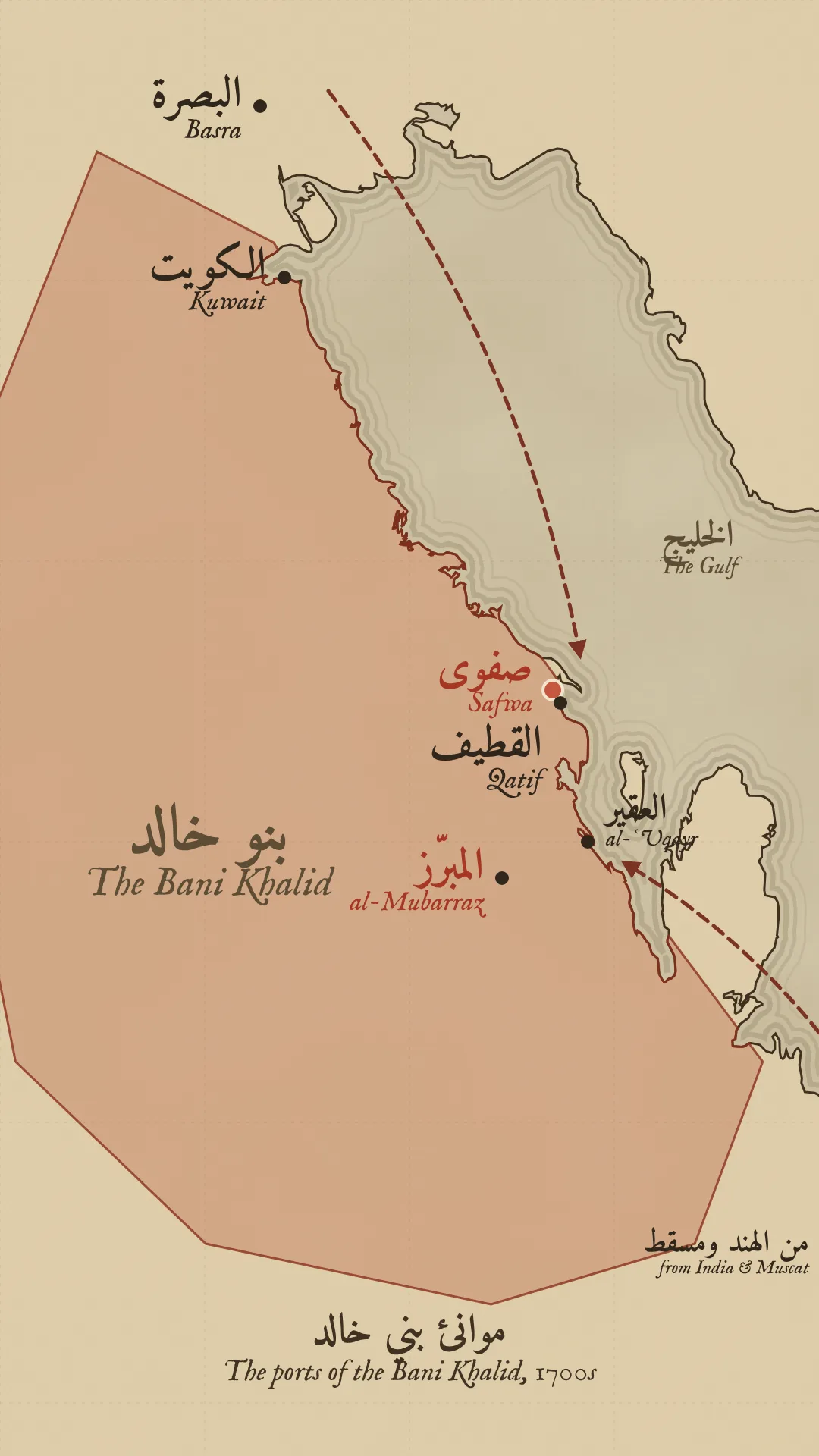 بنو خالدحلف قبلي حكم شرق الجزيرة العربية من الأحساء قرابة قرن ونصف.صفوى والدولة السعوديةمن الدولة السعودية الأولى إلى دخول القطيف في حكم الملك عبدالعزيز سنة 1913م.
الحياة والمجتمع
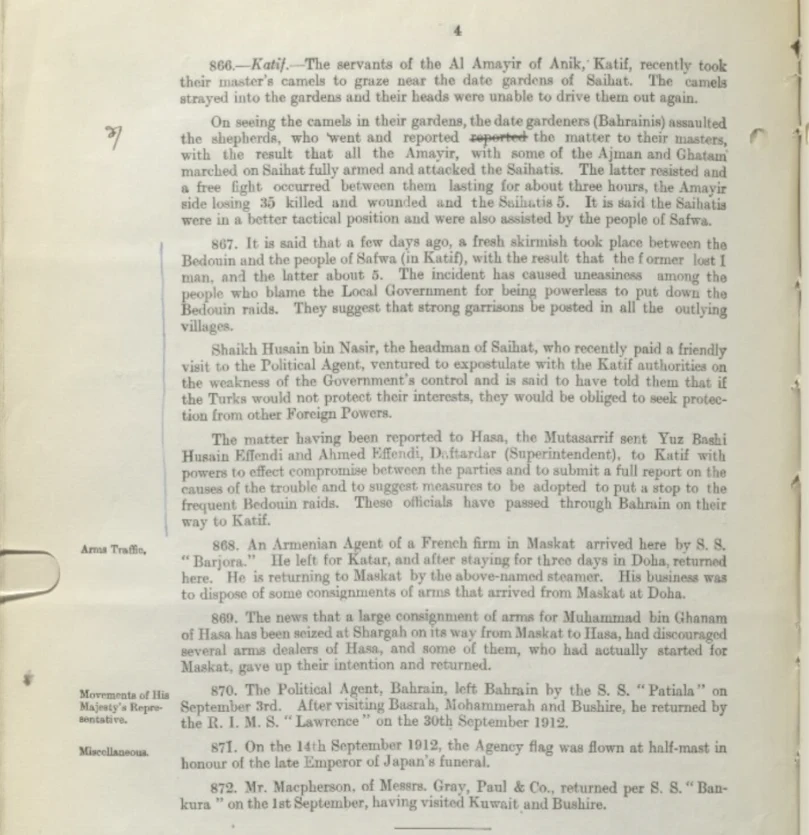 سنوات في ذاكرة صفوىالأوبئة والغارات والحرائق والكوارث التي سمّى بها أهل صفوى سنواتهم.
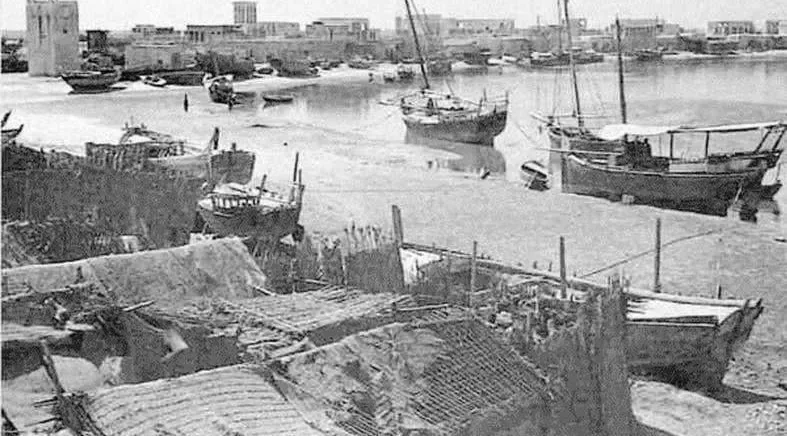 الغوص على اللؤلؤأهم مصدر للرزق بعد الزراعة حتى الثلاثينيات.
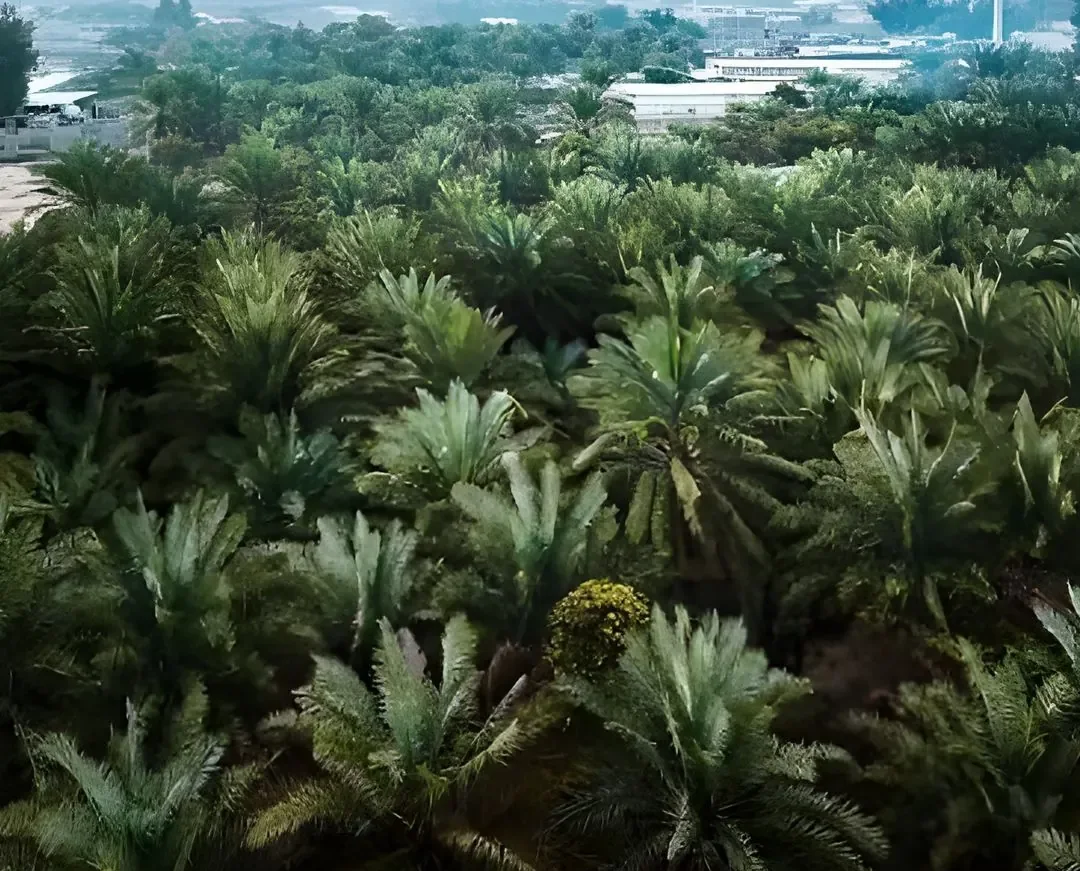 نخيل صفوىالنخلة قلب الزراعة في واحة القطيف، ومصدر الغذاء والعمل والبيت.صفوى في القرن العشرينمن امتياز النفط إلى المدارس والطرق، وكيف تحوّلت البلدة المسوّرة إلى مدينة مفتوحة.
 نادي الصفانادي صفوى الرياضي، وصاحب أول فريق سباحة في المملكة.
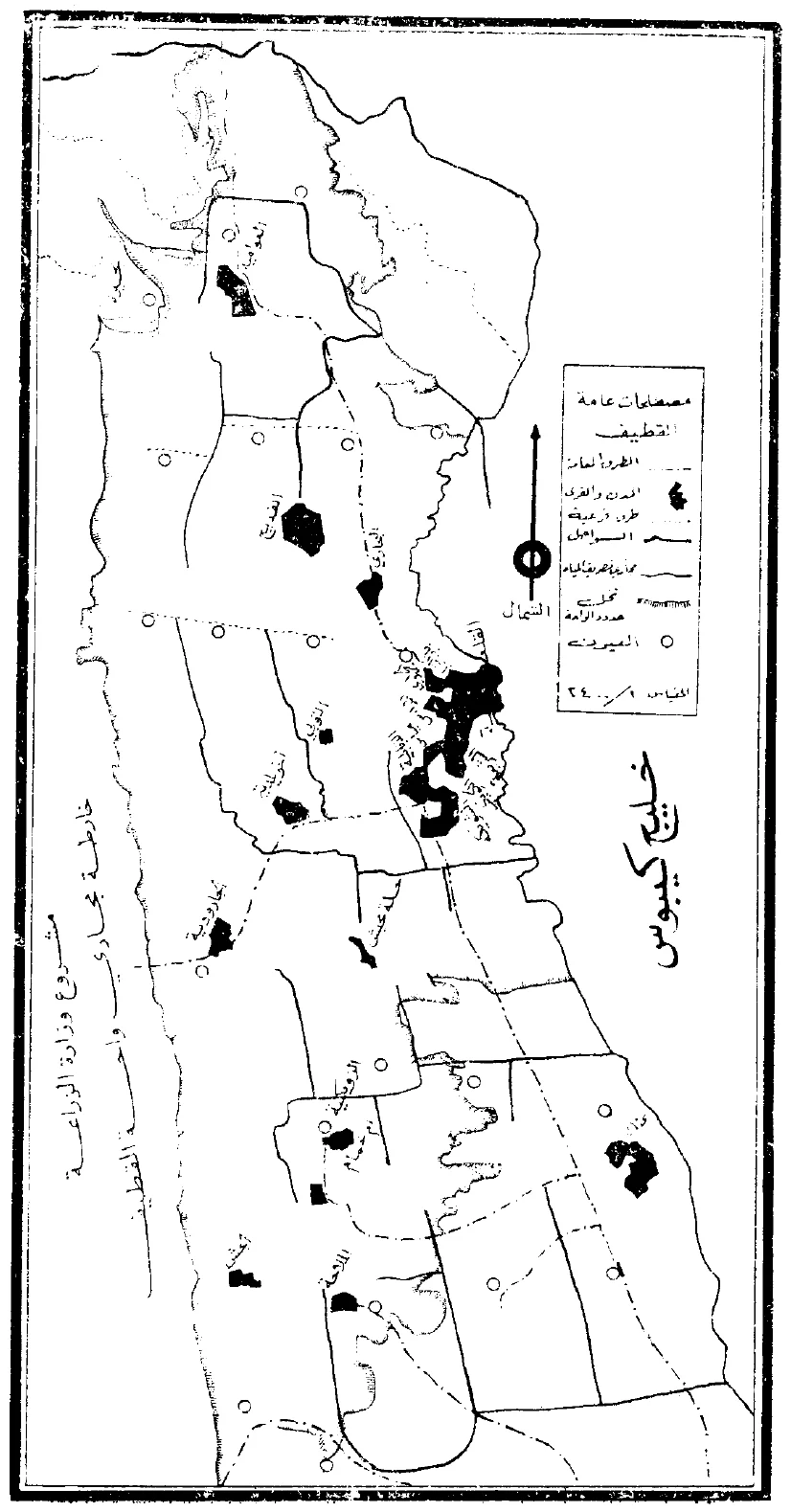 العيون ونظام الريكيف سقت العيون الجارية نخيل الواحة آلاف السنين، وكيف قُسم ماؤها.التجارة والحِرفمن قوافل الجرهاء وأسواق العرب إلى التمر والسلوق، وحِرف الواحة قبل النفط.
 العلم والأدبالكتاتيب وحلقات العلم، وعلماء صفوى وأدباؤها.
 لهجات صفوى وما حولها«يبل» و«يمل»: لهجة صفوى وأخواتها في واحة القطيف، وجذورها في لهجات العرب القديمة.
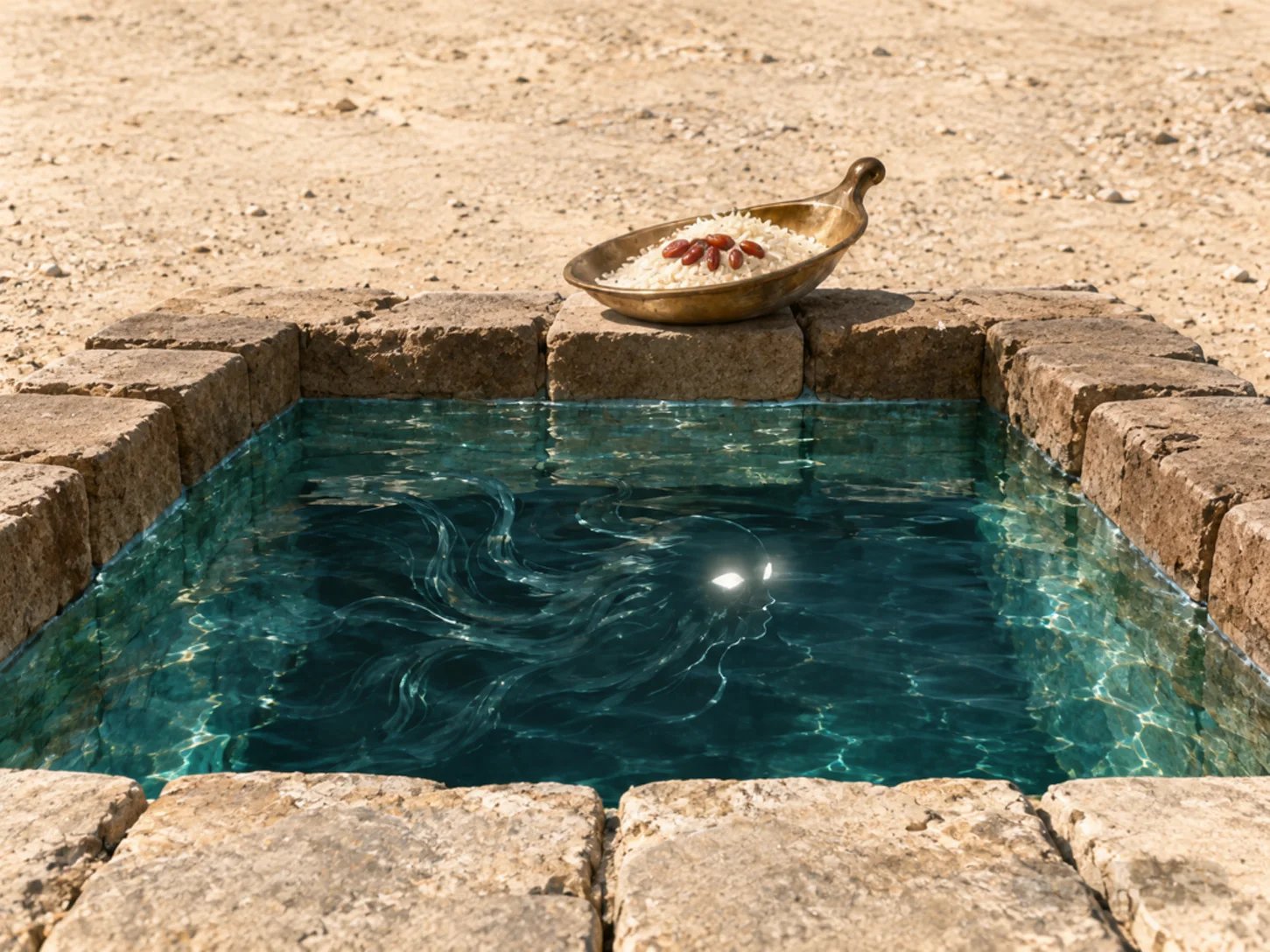 الخرافات والشخصيات الخياليةعبد العين وأبو مغوي والطنطل وأم حمار: كائنات الحكايات الشعبية في واحة القطيف.
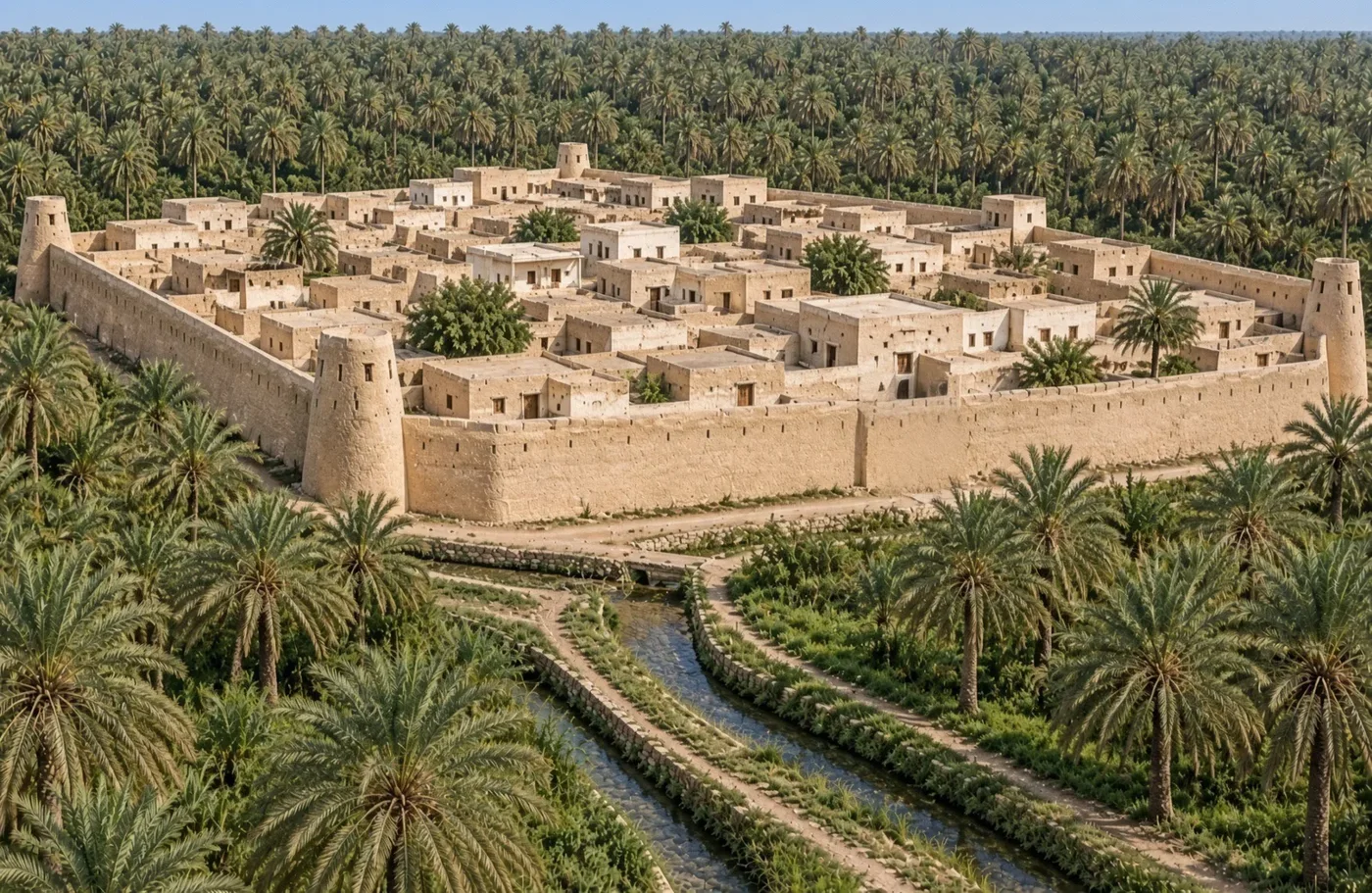 العمارة التقليديةبيوت الحجر والجص حول الحوي، والأزقة والصوابيط، وما صنعه البحر والنخل في عمارة صفوى والواحة.
The Safwanipedia encyclopaedia gathers Safwa's history into articles by topic: its places, its name, the peoples and states that ruled it, and the life of its people. Every article links back to the timeline slides it draws on.
Places
ʿAin DaroushSafwa's great spring, which watered the town's palms for thousands of years.Al-Dira, the walled townSafwa's old heart: its wall, gates, fortress and Great Mosque, until it was cleared in 1989.The Neighbourhoods of SafwaFrom al-Dira and the palm-grove quarters to the workers’ town and al-ʿUruba.JawanAn ancient site north of Safwa, lived in for close to a thousand years.Safwa's port and shoreThe port and customs house, the fish traps, the mangrove forest and the birds of the shore.The region of al-BahraynThe old name for the whole eastern Arabian coast, Qatif and Safwa among it, before it came to mean only the islands of Awal.The Qatif oasisThe green oasis with Safwa at its northern end: its names, land and climate.Forts and towers of the oasisThe walls and towers of Qatif, Safwa, Tarut and Saihat, and who built them.Names and sources
The name of SafwaAl-Safa, Ṣafwān and Ṣafwāʾ: how the town is named in poetry and old books.Safwa in travellers' accountsWhat travellers and British gazetteers wrote about Safwa and Qatif.Peoples and rulers
Peoples before the Christian eraThe people of Dilmun, the Gerrhaeans and the tribe of Shadhab: who lived on Safwa's coast before the Christian era.The ʿAbd al-QaysThe Arab tribe that settled the region of al-Bahrayn before Islam.The QarmatiansA state that ruled eastern Arabia, Qatif among it, for nearly two centuries.The Al ʿAyyash emirateA short-lived emirate based in Qatif, between the fall of the Qarmatians and the rise of the Uyunids.The Uyunids and UsfuridsTwo Arab dynasties of eastern Arabia, whose battles reached Safwa.The JarwanidsAn Arab dynasty that ruled eastern Arabia from Qatif in the 14th century.The JabridsAn Arab dynasty of the Banu ʿUqayl that ruled eastern Arabia until the Portuguese came.The Portuguese and the OttomansA century of rivalry over Qatif and its coast, which left Safwa its Koot and its wall.The Bani KhalidA tribal confederation that ruled eastern Arabia from al-Ahsa for about a century and a half.Safwa and the Saudi stateFrom the First Saudi State to Qatif joining King Abdulaziz's rule in 1913.Life and society
Remembered years of SafwaThe epidemics, raids, fires and disasters by which Safwa named its years.Pearl divingThe most important living after farming, until the 1930s.The palm groves of SafwaThe palm at the heart of the Qatif oasis: food, work and home.Safwa in the 20th centuryFrom the oil concession to schools and roads: how the walled town became an open city.Al-Safa ClubSafwa's sports club, and home of the Kingdom's first swimming team.Springs and irrigationHow flowing springs watered the palms of the oasis for thousands of years, and how their water was shared.Trade and craftsFrom the caravans of Gerrha and the old Arab fairs to dates and salloo, and the crafts of the oasis before oil.Learning and lettersKuttabs and study circles, and Safwa's scholars and writers.The dialects of Safwa and its neighbours“Yabal” and “yamal”: the speech of Safwa and its sister towns in the Qatif oasis, and its roots in the old Arab dialects.Folk tales and creaturesʿAbd al-ʿAin, Abu Mughawi, al-Tantal and Umm Himar: the creatures of folk tales in the Qatif oasis.Traditional architectureHouses of stone and gypsum built round a courtyard, covered lanes, and what the sea and the palm gave to the building of Safwa and the oasis.