حلف قبلي حكم شرق الجزيرة العربية من الأحساء قرابة قرن ونصف.A tribal confederation that ruled eastern Arabia from al-Ahsa for about a century and a half.
بنو خالد حلف قبلي من شرق الجزيرة العربية، صار القوة الأولى في المنطقة مع ضعف الحكم العثماني، فحكم من الأحساء بين سنتي 1669 و1796م، وامتد سلطانه إلى القطيف وقراها. وكانت موانئ القطيف والعقير بوابات إمارتهم إلى البحر. ثم عادوا إلى الحكم بين 1819 و1830م بعد سقوط الدولة السعودية الأولى. وأسس أحد شيوخهم قرية أم الساهك غرب صفوى نحو سنة 1902م.
مع ضعف السيطرة العثمانية أصبح بنو خالد، وهم حلف قبلي في شرق الجزيرة العربية، القوة الرئيسية في المنطقة، وحكموا من الأحساء، وامتدّت سلطتهم إلى القطيف وقراها.
حكم بني خالد في الشرقراية دولة بني خالد، 1669–1796م
بدأ حكمهم سنة 1669م، حين طردت أسرة آل حميد من بني خالد، بقيادة براك بن غرير، الولاة العثمانيين من الأحساء، واحتلت القطيف، وهزمت العثمانيين في الكوت، آخر مواقعهم. واتخذ براك المبرّز عاصمة له. وحاولت قبيلة المنتفق مع العثمانيين استرجاع الأحساء سنة 1670م، فباءت المحاولة بالفشل.
وكانت القطيف في العهد العثماني الميناء الثاني للعثمانيين في الخليج العربي بعد البصرة، واحتمت فيها سفنهم أثناء صراعهم مع البرتغاليين.
وبلغت الإمارة أقصى اتساعها في عهد سليمان بن محمد (1736–1752م)، حين امتدّ نفوذها نحو حدود العراق والشام. وجاءت نهايتها بعد وقعة الشيّط سنة 1794م، وهرب آخر أمرائها، براك بن عبد المحسن السرداح، من المبرّز حين وصلت الجيوش السعودية إلى مدن الأحساء.
هيمن بنو خالد على شرق الجزيرة العربية أكثر من قرن، ونافسوا قوى أخرى في الخليج ونجد، ومنها الدولة السعودية الأولى الصاعدة.
وكانت صفوى، بوصفها جزءاً من واحة القطيف، تحت حكمهم.
وانكسرت قوتهم مع توسّع الدولة السعودية الأولى في أواخر القرن الثامن عشر الميلادي، حين فقدوا السيطرة على الأحساء.
والراية الظاهرة هنا هي راية دولة بني خالد (الخوالد): حمراء، تحمل الشهادتين باللون الأبيض.
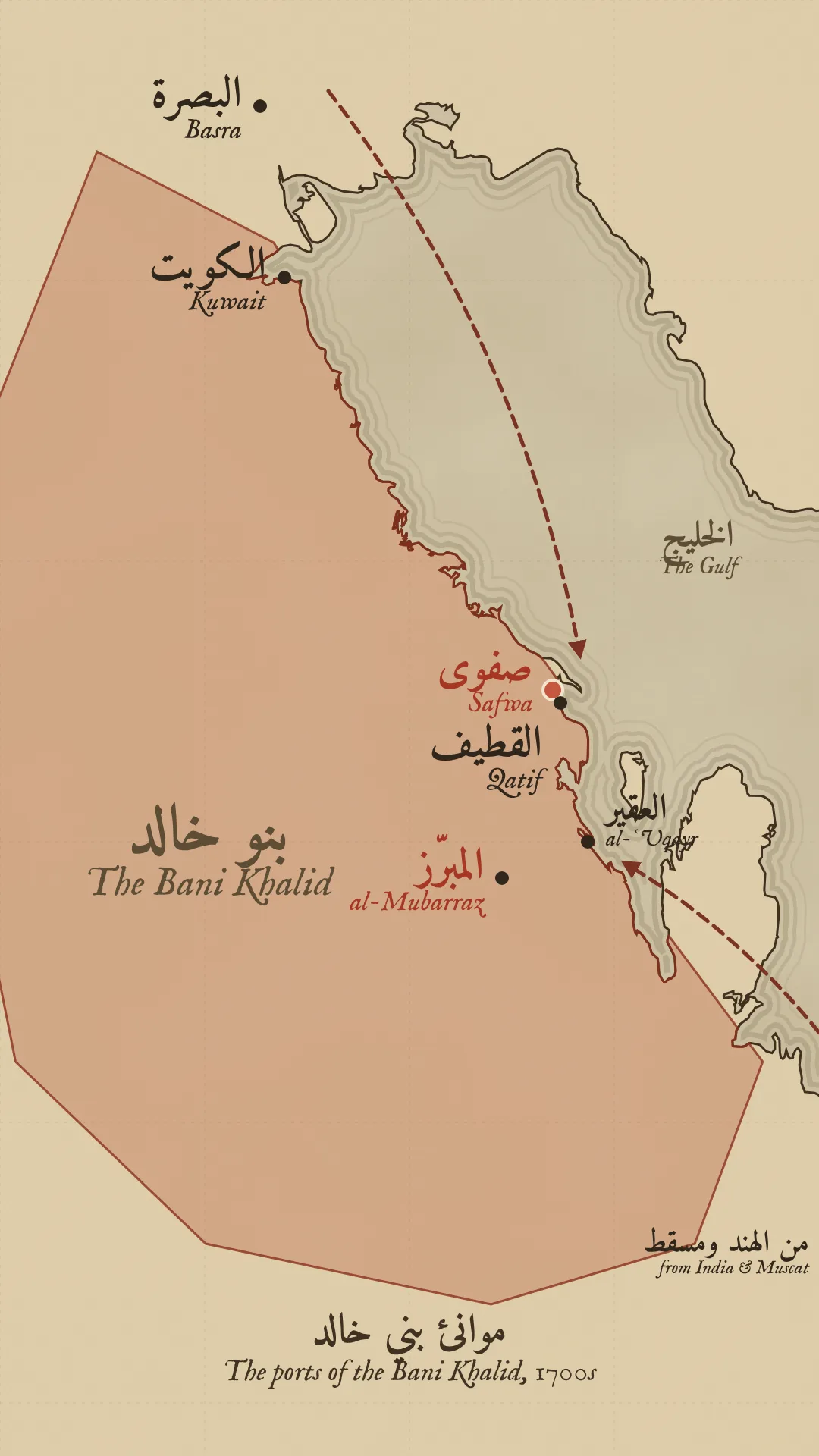
في عهد بني خالد كان ميناءا القطيف والعقير بوابتي الإمارة إلى البحر. واهتم الأمراء الخوالد بحمايتهما وأحسنوا معاملة التجار، في زمن اتّسعت فيه التجارة بين آسيا وأوروبا وظهرت فيه الشركات الأوروبية في الخليج العربي.
خريطة: إمارة بني خالد وعاصمتها المبرّز وميناءا القطيف والعقيرخريطة رُسمت لصفوانيبيديا
وكانت بضائع الهند، ومنها التوابل والمعادن، تصل إلى هذين الميناءين مباشرة، أو براً عن طريق مسقط والبصرة. وكانت المنطقة تبيع اللؤلؤ والجواهر والخيل والملابس والتمور، ومعظمها إلى المناطق المجاورة.
ويذكر تقرير بريطاني لسالدانا، كما نقله المؤرخ جزائر جليل الوائلي، أن الضرائب على البضائع المستوردة في القطيف والعقير لم تكن عالية مقارنة بموانئ الخليج الأخرى، وأن حكومة القطيف تحسن معاملة التجار الذين يتمتعون فيها بالحماية الكاملة لأشخاصهم وممتلكاتهم.
وعبر الرحالة ابن علوان نجداً سنة 1708م دون متاعب أمنية، ووصف الأحساء في عهد الأمير سعدون بن محمد بما تنعم به من أمن ورخاء، وبحسن تعامل السنة والشيعة بعضهم مع بعض.
وكان الأمراء الخوالد على المذهب السني المالكي، وعاشوا مع البيئة الشيعية في الأحساء والقطيف، وتصف المصادر تسامحهم مع المذاهب الإسلامية الأخرى.
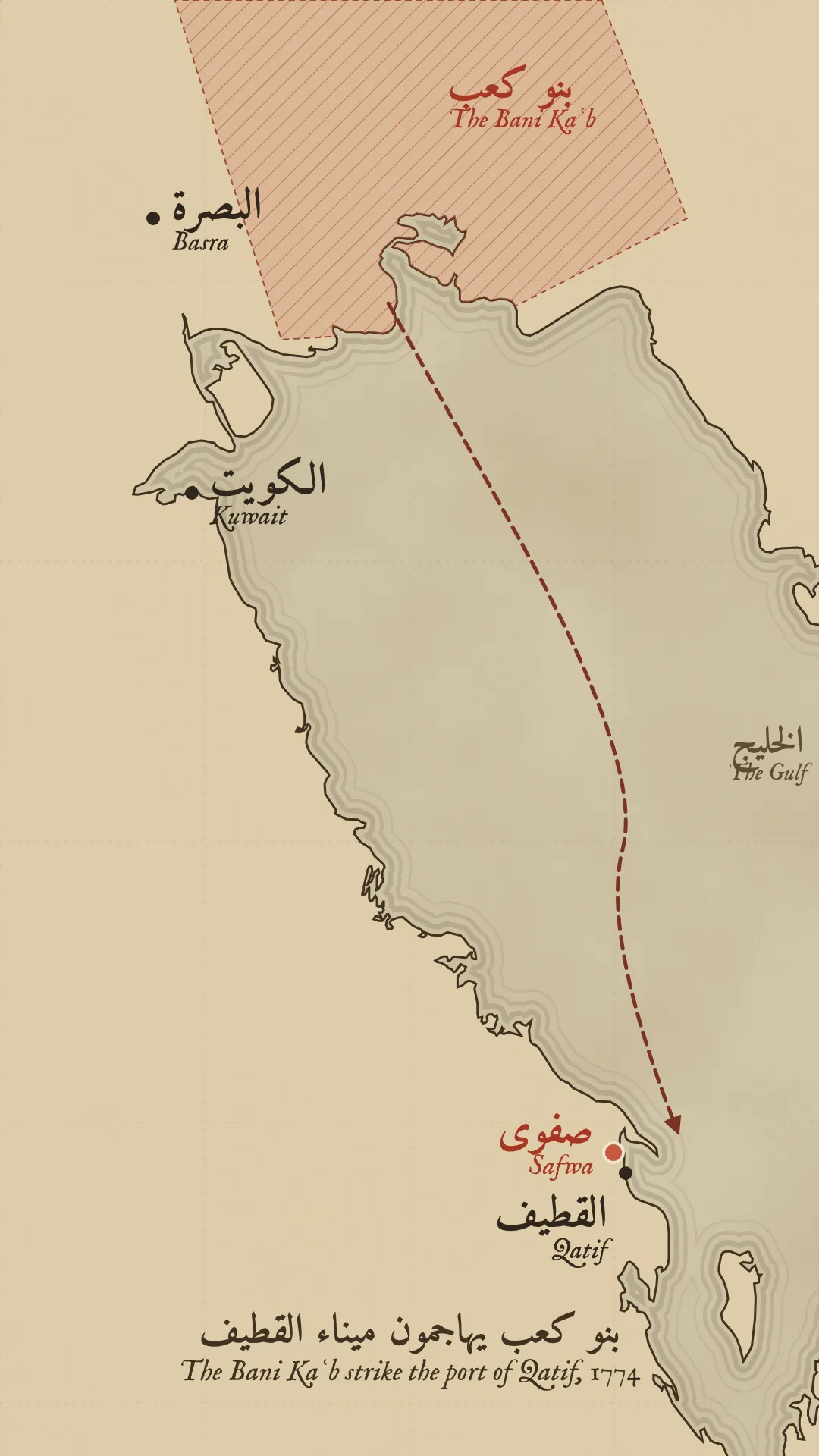
خرج الأمير الخالدي بطين بن عريعر لمحاولة احتلال الدرعية، لكنه انسحب إلى الأحساء حين هاجمت قبيلة بني كعب ميناء القطيف.
خريطة: بنو كعب يبحرون من رأس الخليج لمهاجمة ميناء القطيفخريطة رُسمت لصفوانيبيديا
وبنو كعب قبيلة عربية من رأس الخليج، في ما يُعرف اليوم بالأحواز (خوزستان) في إيران، وكان لها أسطولها البحري.
وكان بطين قد تولى الحكم للتو، بعد أبيه عريعر بن دجين الذي حاصر الدرعية شهراً سنة 1765م، واستولى على بريدة وعنيزة سنة 1774م، ثم توفي في العام نفسه وهو يستعد لغزوة جديدة.
ولم يحكم بطين أكثر من سنة، إذ مات مخنوقاً على يد أخويه سعدون ودجين. ثم تولى دجين، لكنه مات في العام نفسه مسموماً، فتولى سعدون الحكم.
وأدت هذه النزاعات داخل الأسرة الحاكمة إلى تمرّد أهل الأحساء على حكم بني خالد ثلاث سنين، وأضعفت الإمارة أمام الدولة السعودية الأولى الصاعدة.
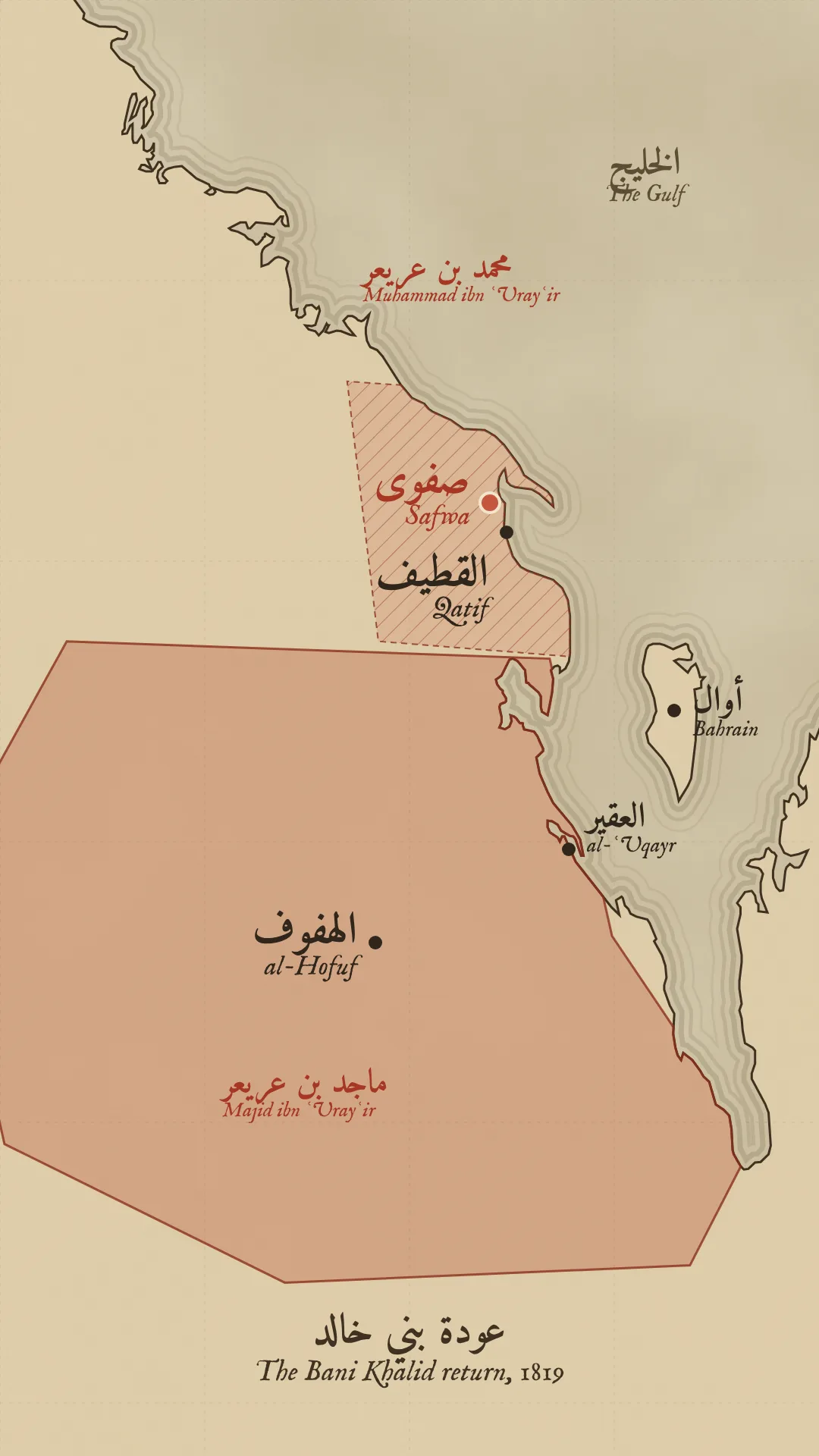
بعد سقوط الدولة السعودية الأولى سنة 1818م وانسحاب جيش إبراهيم باشا المصري، عاد بنو خالد إلى الحكم في شرق الجزيرة العربية. فحكم ماجد بن عريعر الأحساء، وحكم أخوه محمد القطيف، نحو عشر سنين.
خريطة: الإمارة الخالدية الثانية، ماجد بن عريعر في الأحساء وأخوه محمد في القطيفخريطة رُسمت لصفوانيبيديا
كانت هذه الإمارة الثانية في البداية تابعة لإيالة مصر العثمانية، ثم استقلت سنة 1820م. وقدّمت التجارة على القوة العسكرية، فأغرى ثراؤها القبائل والدول المجاورة بمهاجمتها. وفي سنة 1823م خسرت جزءاً كبيراً من أراضيها في الشمال بعد هزيمتها أمام العجمان ومطير في معركة الرضيمة.
وكان ميناء القطيف من أهم موانئ الخليج العربي، يقصده التجار الهنود للاستراحة والبيع والشراء، لما فيه من أمن واستقرار وسهولة في الوصول، وكانت الشركات الأوروبية في الهند تأتي للتجارة في الأحساء.
وربطت القوافل الأحساء بمسقط والبصرة، محمّلة بالبهارات والتوابل والمعادن والعطور، وكانت بضائع الهند كالفلفل تصل بحراً. فصارت الأحساء من أغنى مناطق الخليج وأكثرها أمناً.
وكانت عملتها «طويلة الحسا»، وهي عملة غريبة الشكل تشبه مشبك الشعر، من ثلاث فئات: ذهبية وفضية ونحاسية. كل خمس عشرة نحاسية تعادل فضية، وكل خمس عشرة فضية تعادل ذهبية. وظلّ أهل الأحساء يتداولونها حتى نهاية الإمارة الخالدية الثانية، ثم استبدلوا بها الريال النمساوي (ريال ماريا تريزا).
The Bani Khalid are a tribal confederation of eastern Arabia. As Ottoman control weakened they became the region's main power, ruling from al-Ahsa between 1669 and 1796, with their authority reaching Qatif and its villages. The ports of Qatif and al-ʿUqayr were their emirate's gates to the sea. They returned to power from 1819 to 1830, after the fall of the First Saudi State. Around 1902 one of their sheikhs founded the village of Umm as-Sahak, west of Safwa.
As Ottoman control weakened, the Bani Khalid, a tribal confederation of eastern Arabia, became the region's main power, ruling from al-Ahsa. Their authority reached Qatif and its villages.
Bani Khalid rule in the eastFlag of the Bani Khalid State, 1669–1796
Their rule began in 1669, when the Al Humayd family of the Bani Khalid, led by Barrak ibn Ghurayr, drove the Ottoman governors out of al-Ahsa, took Qatif, and defeated the last Ottoman garrison at al-Kut. Barrak made al-Mubarraz his capital. An attempt by the Muntafiq tribe, alongside the Ottomans, to retake al-Ahsa in 1670 failed.
Under the Ottomans, Qatif had been their second port in the Gulf after Basra, and Ottoman ships had sheltered there during their wars with the Portuguese.
The emirate reached its greatest extent under Sulayman ibn Muhammad (1736–1752), when its power stretched towards the borders of Iraq and Syria. Its end came after the battle of al-Shayyit in 1794. Its last emir, Barrak ibn ʿAbd al-Muhsin al-Sirdah, fled al-Mubarraz as Saudi forces reached the towns of al-Ahsa.
For more than a century the Bani Khalid dominated eastern Arabia. They competed with other powers in the Gulf and in Najd, including the rising First Saudi State.
As part of the Qatif oasis, Safwa lived under their rule.
The expansion of the First Saudi State broke their power at the end of the 18th century, when they lost control of al-Ahsa.
The flag shown here is the flag of the Bani Khalid state: red, bearing the shahada in white.
Under the Bani Khalid, the ports of Qatif and al-ʿUqayr were the emirate's gates to the sea. Their emirs protected the ports and treated merchants well, at a time when trade between Asia and Europe was growing and European companies were arriving in the Gulf.
Map: the Bani Khalid emirate, its capital al-Mubarraz, and its ports of Qatif and al-ʿUqayrmap drawn for Safwanipedia
Goods from India, among them spices and metals, came straight to these ports, or overland through Muscat and Basra. The region sold pearls, jewels, horses, cloth and dates, mostly to its neighbours.
A British report by J. A. Saldanha, as quoted by the historian Jazaʾir al-Waʾili, notes that duties on imports at Qatif and al-ʿUqayr were low compared with other Gulf ports, and that the government of Qatif treated merchants well, fully protecting their persons and their goods.
The traveller Ibn ʿAlwan crossed Najd in 1708 without trouble. In al-Ahsa, under the emir Saʿdun ibn Muhammad, he described the region's security and prosperity, and the good relations between its Sunni and Shia people.
The Bani Khalid emirs were Sunnis of the Maliki school, living alongside the Shia communities of al-Ahsa and Qatif, and the sources describe their tolerance of the other Islamic schools.
The Bani Khalid emir Butayn ibn ʿUrayʿir set out against Diriyah, but turned back to al-Ahsa when the Bani Kaʿb tribe attacked the port of Qatif.
Map: the Bani Kaʿb sail from the head of the Gulf to attack the port of Qatifmap drawn for Safwanipedia
The Bani Kaʿb were an Arab tribe from the head of the Gulf, in what is now Khuzestan in Iran, with a fleet of their own.
Butayn had only just come to power. His father, ʿUrayʿir ibn Dujayn, had besieged Diriyah for a month in 1765 and taken Burayda and ʿUnayza in 1774, but died that same year while preparing a new campaign.
Butayn ruled for less than a year before he was strangled by his brothers Saʿdun and Dujayn. Dujayn followed him, but died within the year, said to have been poisoned, and Saʿdun took power.
These feuds within the ruling family led the people of al-Ahsa to rise against the Bani Khalid for three years, and weakened the emirate in the face of the rising First Saudi State.
After the fall of the First Saudi State in 1818 and the withdrawal of Ibrahim Pasha's Egyptian army, the Bani Khalid returned to power in eastern Arabia. Majid ibn ʿUrayʿir ruled al-Ahsa, and his brother Muhammad ruled Qatif, for about ten years.
Map: the second Bani Khalid emirate, with Majid ibn ʿUrayʿir in al-Ahsa and his brother Muhammad in Qatifmap drawn for Safwanipedia
This second emirate was at first under the Egyptian province of the Ottoman state, and became independent in 1820. It put trade before its army, and its wealth drew raids from neighbouring tribes and powers. In 1823 it lost much of its northern land after its defeat by the ʿAjman and Mutayr tribes at the battle of al-Rudayma.
Qatif was one of the most important ports in the Gulf. Indian merchants stopped there to rest, buy and sell, drawn by its safety and easy access, and European companies trading from India came to al-Ahsa.
Caravans linked al-Ahsa with Muscat and Basra, carrying spices, metals and perfumes, while Indian pepper and other goods arrived by sea. Al-Ahsa became one of the richest and safest regions of the Gulf.
Its money was the ṭawīlat al-Ḥasā, an unusual coin shaped like a hairpin, struck in gold, silver and copper. Fifteen copper pieces made one silver, and fifteen silver one gold. Al-Ahsa used it until the end of the second emirate, when the Austrian Maria Theresa thaler replaced it.
A sheikh of the Bani Khalid founded the village of Umm as-Sahak, about two miles west of Safwa.
J. G. Lorimer's survey of 1908 describes it as a village of 60 houses, with a mixed population. The sheikh was allowed to keep part of its revenue and paid the rest to the Ottoman authorities.
This is the clearest documented link between the Bani Khalid and Safwa's immediate surroundings. It concerns a neighbouring village, not Safwa itself, and does not show that the tribe founded or settled the town.
Umm as-Sahak is still Safwa's neighbour today, and falls under the town's local administration.
By 2001 the historian ʿAli al-Darura noted that Umm as-Sahak, once isolated in the desert about 2 km north-west of Safwa, had almost merged with the town.

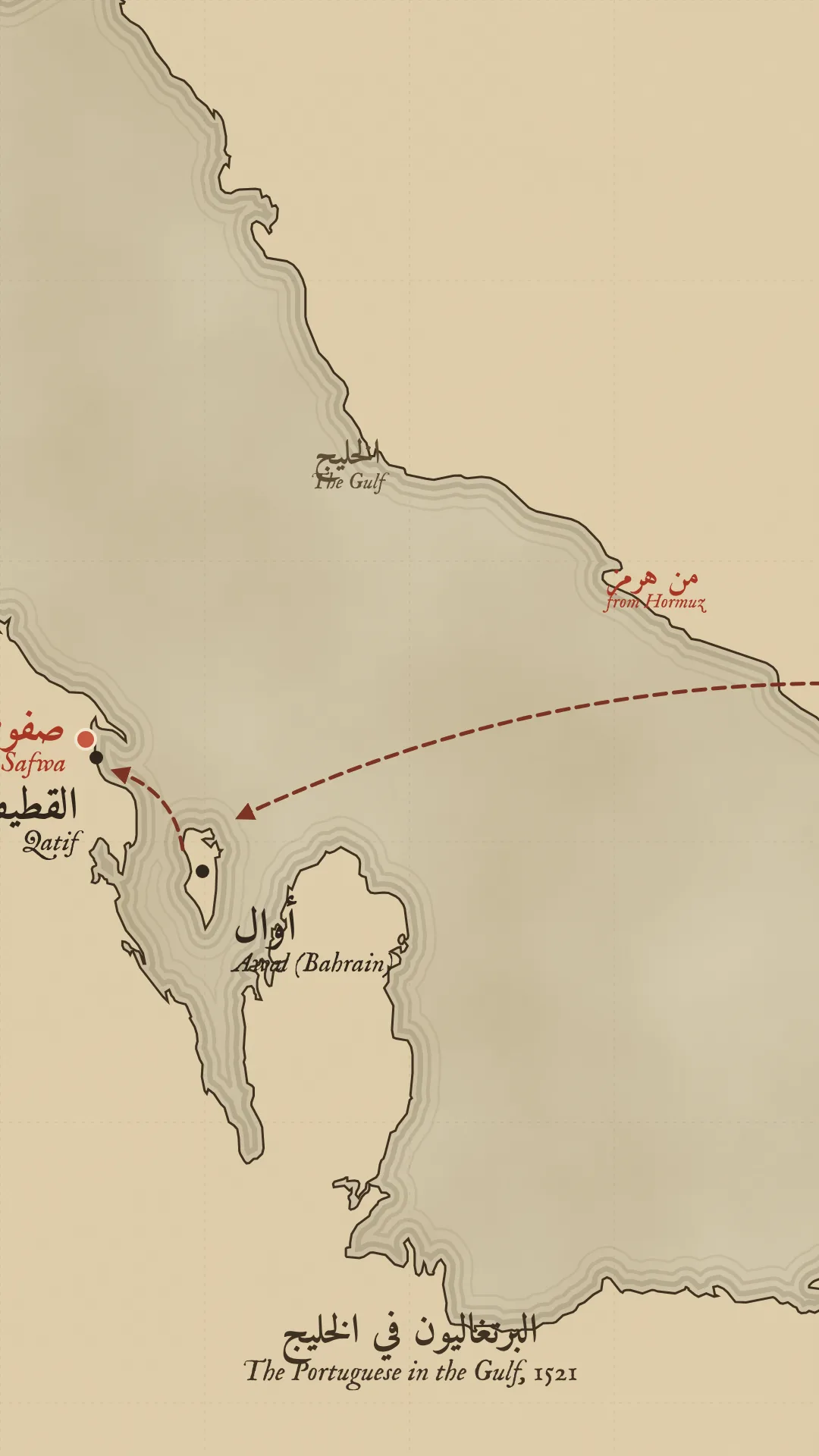 البرتغاليون والعثمانيونقرن من التنافس على القطيف وسواحلها، ترك في صفوى الكوت وسورها.
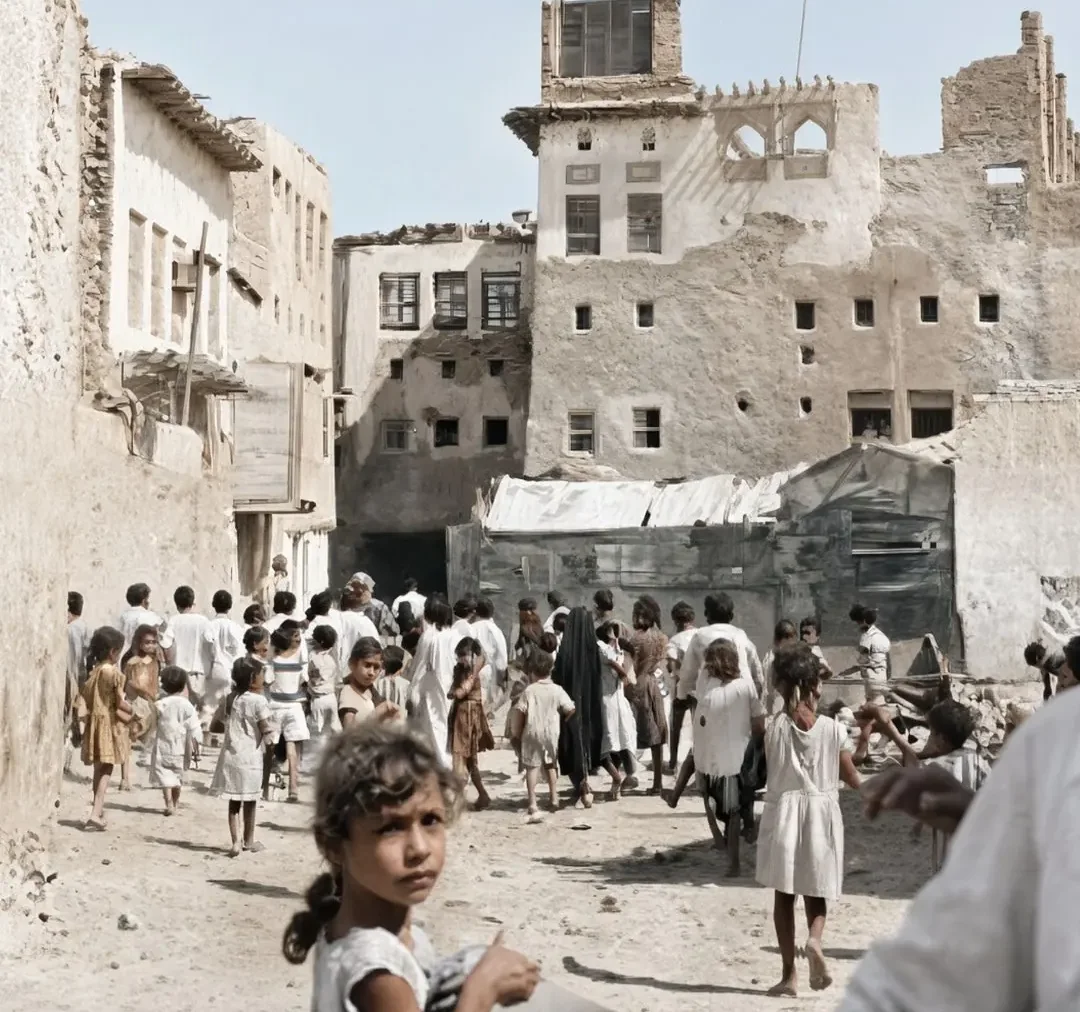 صفوى والدولة السعوديةمن الدولة السعودية الأولى إلى دخول القطيف في حكم الملك عبدالعزيز سنة 1913م.
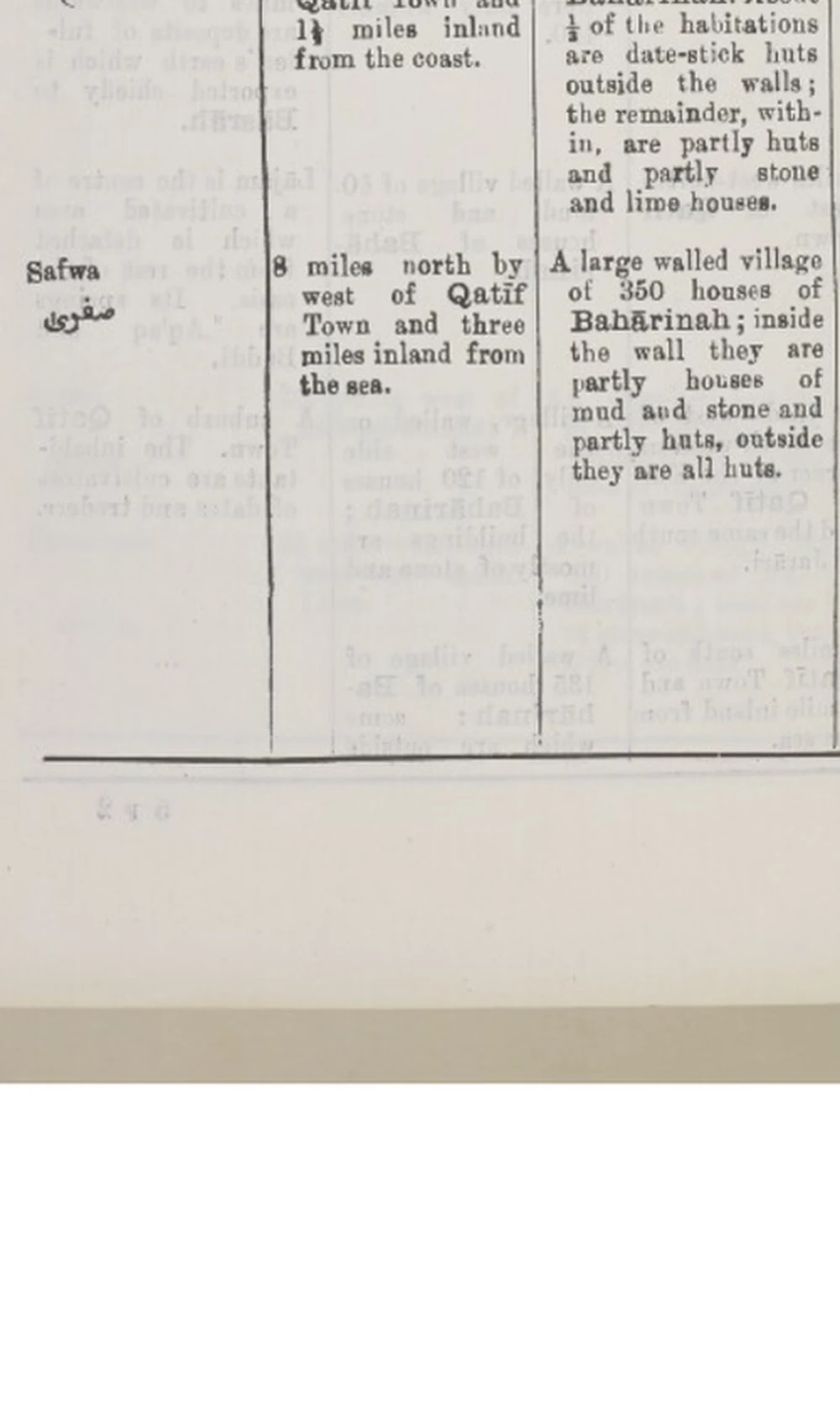 صفوى في كتب الرحّالةما كتبه الرحّالة والأدلة البريطانية عن صفوى والقطيف.