الجروانيون أسرة عربية من بني مالك حكمت شرق الجزيرة العربية في القرن الرابع عشر الميلادي، وكانت القطيف عاصمتها. وتؤرّخ ويكيبيديا حكمهم من سنة 1310م إلى 1417م، بين العصفوريين قبلهم والجبريين بعدهم. وكتب عنهم ابن بطوطة الذي مرّ بالقطيف نحو سنة 1331م. وكانت صفوى، بوصفها جزءاً من واحة القطيف، في قلب بلادهم.
المحتويات
- النشأة والوصول إلى الحكم
- ابن بطوطة في القطيف
- المذهب
- النهاية
- اقرأ أيضاً
- المصادر
1النشأة والوصول إلى الحكم
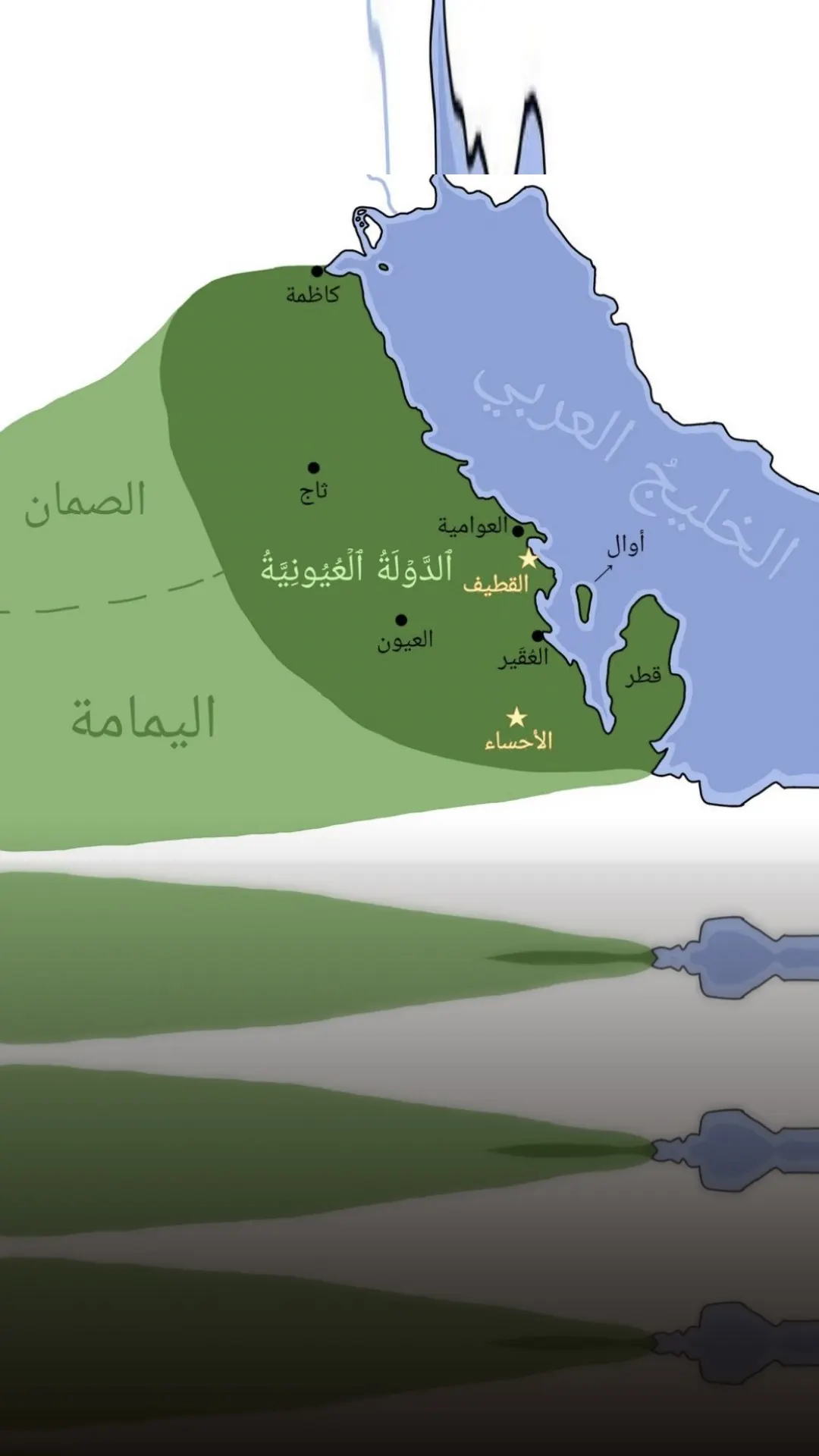
ينتمي الجروانيون إلى عشيرة بني مالك. وتختلف المصادر في نسبتهم القبلية: فبعضها يجعلهم من بني عقيل، قبيلة العصفوريين قبلهم والجبريين بعدهم، وبعضها يجعلهم من عبد القيس، قبيلة الدولة العيونية.
ووصلوا إلى الحكم في القرن الرابع عشر الميلادي بعد أن طردوا قوات سعيد بن مغامس، شيخ قبيلة المنتفق التي كان مقرّها البصرة، واتخذوا القطيف عاصمة لهم.
وتختلف المصادر في تاريخ قيام دولتهم: فتؤرّخها ويكيبيديا بسنة 1310م، بينما تجعل مصادر أخرى زيارة ابن بطوطة نحو سنة 1331م في العهد العصفوري، وتمدّ حكم العصفوريين إلى نحو سنة 1392م.
ومن أقرب الشهادات إلى عصرهم ما كتبه النسّابة ابن عنبة (ت. 1425م)، الذي عاش في أيامهم. ففي كلامه على عبد القيس يقول: «وبقيّة عبد القيس في بلاد الأحساء الآن، ومنهم آل جروان ملوك بلد فارة». فهو يعدّ آل جروان من عبد القيس. أما «بلد فارة» فهكذا ورد الاسم في الترجمة العربية لكتابه، ولا يُعرف موضع بهذا الاسم في المنطقة.
2ابن بطوطة في القطيف
مرّ الرحالة المغربي ابن بطوطة بالقطيف، المدينة المجاورة لصفوى، في العهد العصفوري.
وصف القطيف بأنها مدينة كبيرة كثيرة النخل، في واحة وفيرة الماء، وذكر أن أهلها قبائل من العرب على المذهب الشيعي.
ولا يذكر صفوى بالاسم، لكن روايته من الشهادات القليلة التي عاينت واحة القطيف في ذلك العصر.
3المذهب
وصفهم كتّاب عصرهم، ومنهم ابن بطوطة وابن حجر العسقلاني، بأنهم من الشيعة. ويختلف المؤرخون المحدثون في مذهبهم: فرأى المؤرخ خوان كول أنهم إسماعيليون، ورأى عبداللطيف الحميدان، المتخصص في تاريخ شرق الجزيرة العربية، أنهم إماميون اثنا عشريون.
ويُذكر أن المذهب الإمامي انتشر في عهدهم، وتولّى علماؤه القضاء ومناصب أخرى منها الحسبة، وأقيمت صلاة الجمعة وغيرها في المساجد. وكان العالم جمال الدين المطوّع، من علماء القرن الرابع عشر، من آل جروان.
4النهاية
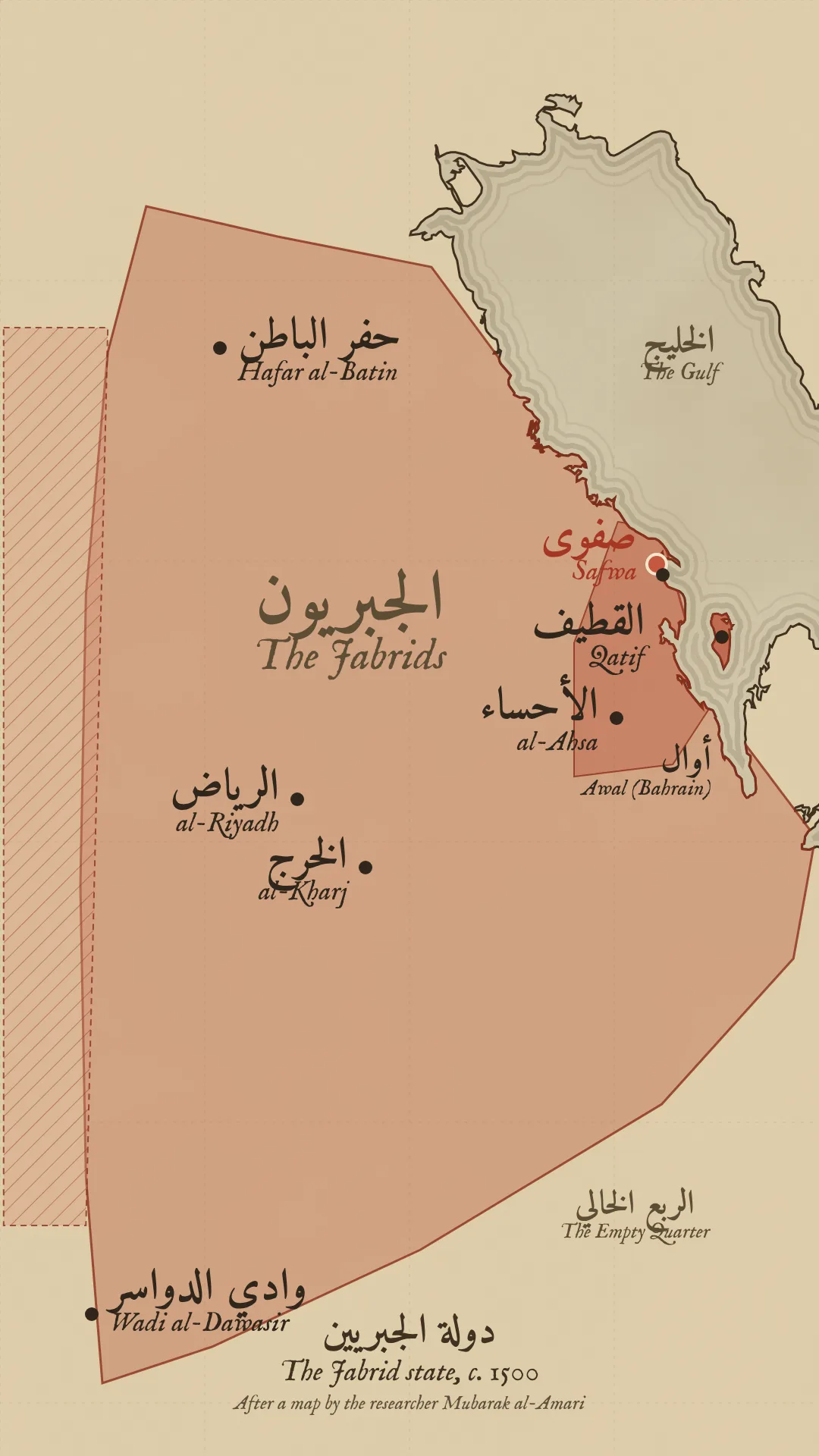
انتهى حكم الجروانيين في مطلع القرن الخامس عشر على يد الجبريين من بني عقيل، الذين أطاحوا بآخر حكّامهم في القطيف. وتؤرّخ ويكيبيديا نهاية دولتهم بسنة 1417م، وهي السنة التي تبدأ بها الدولة الجبرية.
5اقرأ أيضاً
6المصادر
- ويكيبيديا – الجروانيون (Jarwanid dynasty)
- ويكيبيديا العربية – تاريخ القطيف، والمراجع التي يستند إليها: الطبري؛ جواد علي، المفصّل في تاريخ العرب قبل الإسلام؛ علي الدرورة؛ محمد سعيد المسلم، ساحل الذهب الأسود؛ الأحسائي، تحفة المستفيد
- ابن عنبة – الفصول الفخرية، ترجمة أحمد محمد العدواني، الكويت، 2021م، ص 110
The Jarwanids were an Arab dynasty of the Bani Malik clan that ruled eastern Arabia in the 14th century, with Qatif as their capital. Wikipedia dates their rule from 1310 to 1417, between the Usfurids before them and the Jabrids after them. Ibn Battuta, who passed through Qatif around 1331, wrote about them. Safwa, as part of the Qatif oasis, lay at the heart of their lands.
Contents
- Origins and rise to power
- Ibn Battuta at Qatif
- Religion
- The end of their rule
- See also
- Sources
1Origins and rise to power
The Jarwanids belonged to the Bani Malik clan. Sources differ on their wider tribe: some place them among the Banu ʿUqayl, the tribe of the Usfurids before them and the Jabrids after them; others among the ʿAbd al-Qays, the tribe of the Uyunid state.
They came to power in the 14th century by driving out the forces of Saʿid ibn Mughamis, chief of the Muntafiq tribe, which was based in Basra, and made Qatif their capital.
Sources differ on when their state began. Wikipedia gives 1310, while other accounts place Ibn Battuta's visit around 1331 in the Usfurid period and continue Usfurid rule to about 1392.
One of the witnesses closest to their time is the genealogist Ibn ʿInaba (d. 1425), who lived while they ruled. Writing of the ʿAbd al-Qays, he says: “The rest of the ʿAbd al-Qays are now in the land of al-Ahsa, and among them are Al Jarwan, kings of the land of Fara.” He thus counts the Jarwanids among the ʿAbd al-Qays. “The land of Fara” is how the name appears in the Arabic translation of his book; no place of that name is known in the region.
2Ibn Battuta at Qatif
The Moroccan traveller Ibn Battuta passed through Qatif, Safwa's neighbouring city, during the Usfurid period.
He described Qatif as a large city with many palm trees, set in an oasis full of water, and noted that its people were Arab tribes of the Shia faith.
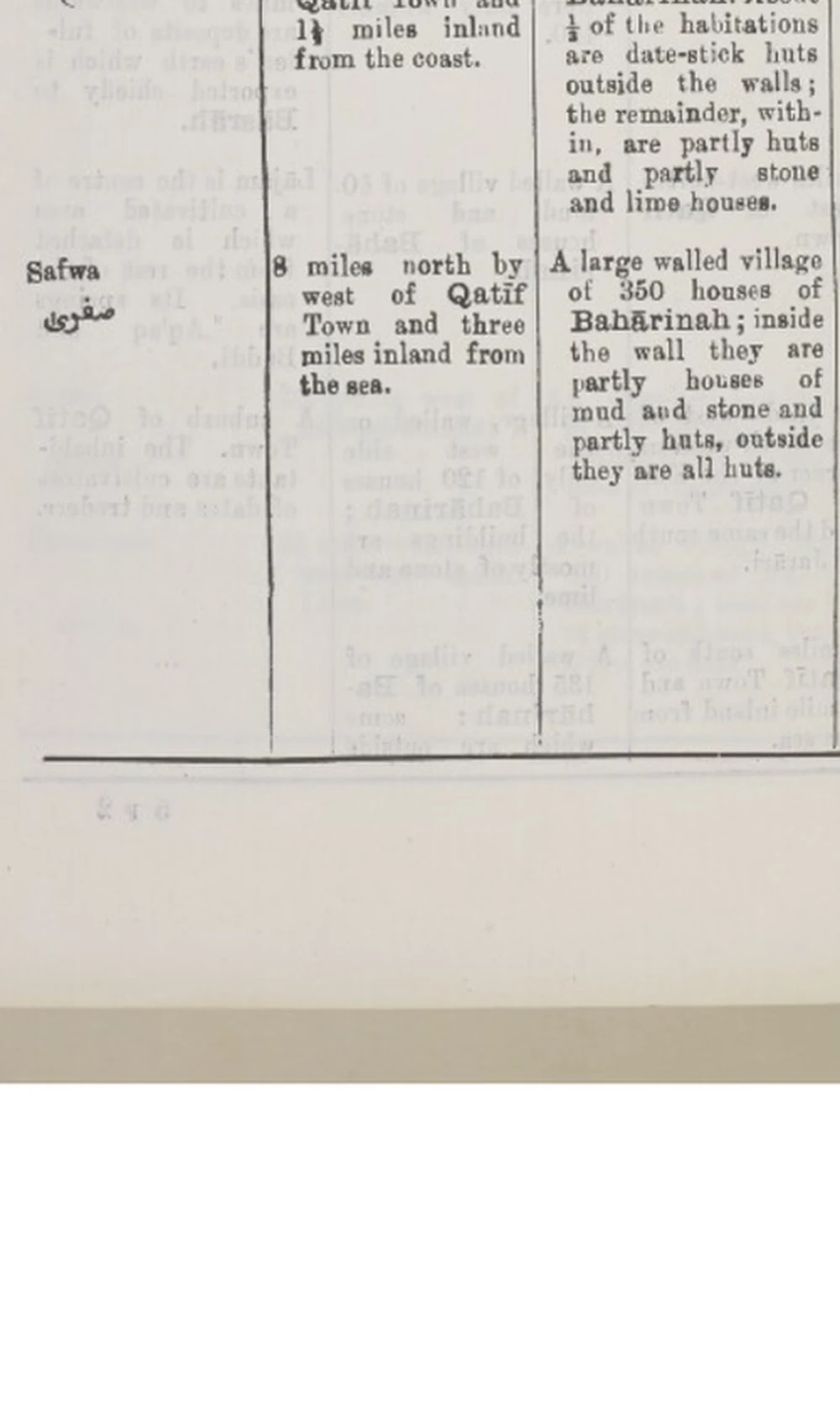
He does not name Safwa, but his account is one of the few eyewitness descriptions of the Qatif oasis from this time.
3Religion
Writers of their own time, among them Ibn Battuta and Ibn Hajar al-ʿAsqalani, described them as Shiʿa. Modern historians differ on which branch: the historian Juan Cole concluded they were Ismailis, while ʿAbdullatif al-Humaydan, a specialist in the history of eastern Arabia, argued they were Twelvers.
Under their rule the Twelver school is said to have spread: its scholars held judgeships and other posts, including the hisba, the office that oversaw markets and public conduct, and Friday prayers were held in the mosques. The 14th-century scholar Jamal al-Din al-Mutawwaʿ was of the house of Jarwan.
4The end of their rule
Jarwanid rule ended in the early 15th century at the hands of the Jabrids, a clan of the Banu ʿUqayl, who overthrew the last Jarwanid ruler in Qatif. Wikipedia gives 1417 as the end of their state, the same year the Jabrid state begins.
5See also
6Sources
- Wikipedia – Jarwanid dynasty
- Arabic Wikipedia – History of Qatif (تاريخ القطيف), and the works it cites: al-Tabari; Jawad ʿAli, al-Mufassal; ʿAli al-Darura; Muhammad Saʿid al-Muslim, Sahil al-Dhahab al-Aswad; al-Ahsaʾi, Tuhfat al-Mustafid
- Ibn ʿInaba – al-Fusul al-Fakhriyya, Arabic translation by Ahmad Muhammad al-ʿAdwani, Kuwait, 2021, p. 110

 الجبريونأسرة عربية من بني عقيل حكمت شرق الجزيرة العربية حتى قدوم البرتغاليين.
 العيونيون والعصفوريوندولتان عربيتان حكمتا شرق الجزيرة العربية، وشهدت صفوى معاركهما.
 صفوى في كتب الرحّالةما كتبه الرحّالة والأدلة البريطانية عن صفوى والقطيف.
 إقليم البحرينالاسم القديم لساحل شرق الجزيرة العربية كله، ومنه القطيف وصفوى، قبل أن يقتصر على جزر أوال.