الكتاتيب وحلقات العلم، وعلماء صفوى وأدباؤها.Kuttabs and study circles, and Safwa's scholars and writers.
قبل المدارس الحكومية كان التعليم في واحة القطيف، ومنها صفوى، يقوم على الكتاتيب وحلقات العلم التي يرعاها رجال الدين على غرار الدراسة في النجف. ومن هذه الحلقات خرج علماء الواحة وأوائل شعرائها وأدبائها. ومن صفوى عالم الدين الشيخ محمد صالح الصفواني، والصحفي سلمان الصفواني صاحب جريدة «اليقظة» في بغداد، والكاتب علي سلمان الصفواني.
يذكر المسلم سنة 1962م أن المنطقة، قبل نحو ربع قرن، وقبل أن تقوم الدمام والخبر ومدن النفط، لم يكن فيها مدارس ولا مطابع ولا صحف. وكانت الكتاتيب منتشرة في القطيف وضواحيها تعلّم القراءة والكتابة ومبادئ الحساب.
وإلى جانبها حلقات علمية يرعاها رجال الدين، يدرس فيها الطالب علوم العربية والمنطق والفلسفة وعلم الكلام والفقه والأصول، على غرار الدراسة في النجف. وإلى هذه الحلقات يرجع الفضل في تخريج علماء المنطقة وفقهائها، والجيل الأول من أدبائها وشعرائها، الذين كانوا نواة النهضة الأدبية الحديثة.
2علماء الواحة
عرفت صفوى العلماء منذ زمن بعيد. فحين مرّ الشيخ محمد العاملي بالمنطقة سنة 1747م التقى فيها بعلماء، منهم الشيخ حسين الصفواني.
ويعدّ المسلم من العلماء الذين رعوا الحركة الثقافية الحديثة في القطيف: العلامة الشيخ علي أبا الحسن الخنيزي، والشيخ علي الحاج حسن علي الخنيزي، والسيد ماجد العوامي، والشيخ عبد الله المعتوق، والشيخ محمد صالح الصفواني، قاضي الأوقاف والمواريث الأسبق، والشيخ فرج العمران، والشيخ محمد علي الجشي، والشيخ محمد علي الخنيزي، والشيخ محمد صالح البريكي، والشيخ منصور آل سيف، والشيخ ميرزا حسين البريكي، والشيخ منصور البيات. وعلى أيديهم تخرّج الرعيل الأول من شعراء المنطقة وأدبائها المجدّدين.
3سلمان الصفواني
يضع المسلم في مقدمة الأدباء والكتّاب الذين حملوا مشعل الفكر الأستاذ سلمان الصفواني، صاحب جريدة «اليقظة» العراقية، الذي هاجر إلى العراق وأسهم في الحركة الوطنية فيه.
وبحسب صحيفة المدينة، فهو سلمان بن صالح الصفواني، وُلد في صفوى سنة 1899م وتوفي سنة 1988م بحسب الدرورة، وغادرها في العشرينيات وهو في نحو العشرين من عمره. وأسس جريدة «اليقظة» في بغداد سنة 1924م، فتوقفت مرتين ثم عادت سنة 1945م واستمرت حتى 1959م، وكان يكتب فيها عموداً يومياً. وأصدر أيضاً «المعارف» سنة 1929م، و«المنبر العام»، و«صدى اليقظة». وكان أول مدير لإذاعة بغداد عند تأسيسها سنة 1938م، وتولّى مناصب وزارية في العراق في الستينيات، وله كتاب «حرب البسوس» وعدد من الروايات.
4جيل جديد من الكتّاب
ومن روّاد فن المقالة في المنطقة، كما يذكر المسلم، علي أبو السعود وحسن الخنيزي. ثم جاء جيل جديد، منهم السيد علي العوامي، وعبد الله الخنيزي مؤلف كتاب «أبو طالب»، والسيد حسن العوامي، وجعفر سنبل، وعلي سلمان الصفواني، وعلي الزاكي، وعبد الله الحجاج. وحملت كبريات الصحف والمجلات العربية في تلك السنوات إنتاج عدد من شعراء المنطقة وأدبائها الشباب.
قبل المدارس الحكومية، كان أطفال صفوى يتعلمون القرآن الكريم والقراءة والكتابة والحساب في الكتاتيب، وهي حلقات تعليم تقليدية كثيراً ما تُعقد في البيوت. ولم يُعرف بعد متى افتُتح أول كتّاب في البلدة، ولا من علّم فيه.
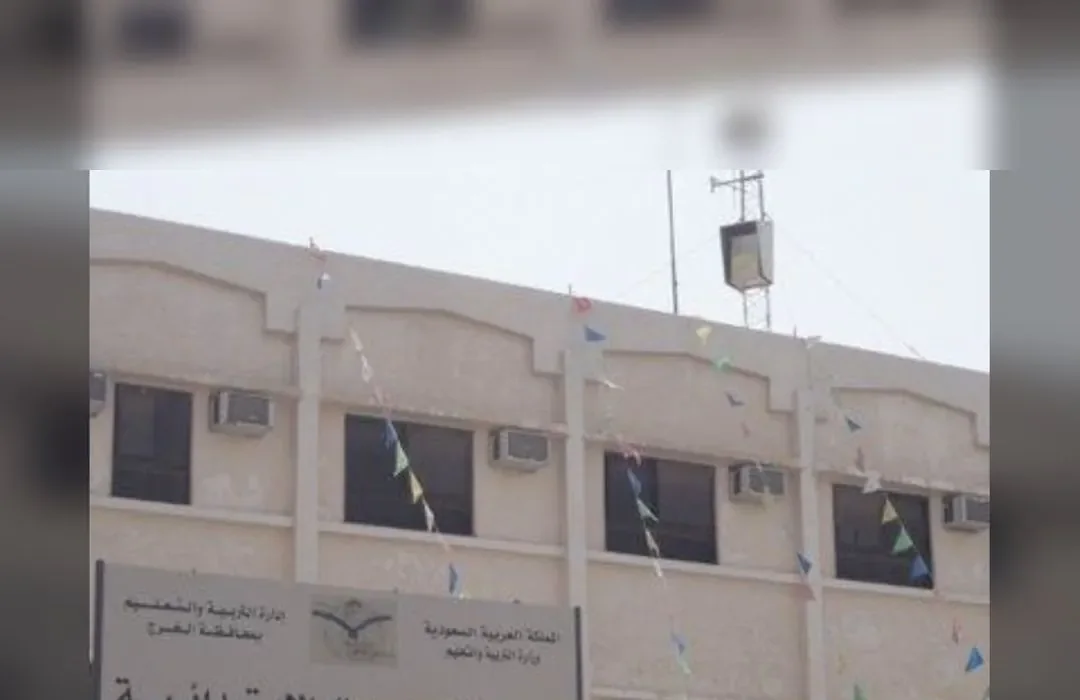
مدرسة اليرموك الابتدائية بصفوىمدرسة اليرموك الابتدائية
ويُذكر أن مدرسة الإمام علي بن أبي طالب كانت أول مدرسة حكومية في صفوى، تلتها مدرسة اليرموك الابتدائية للبنين، التي تذكر لوحتها أنها تأسست نحو عام 1962م. ومع ازدياد أعداد الطلاب افتتحت مدرسة اليرموك فرعاً مؤقتاً عُرف بـ«المدرسة الصغيرة» في منزل يملكه محمود غلاب في حي خارج. ويستعيد طلابها فصولاً ضيقة، ومباني سكنية مستأجرة، بل وفصولاً على الأسطح.
وافتُتحت الابتدائية الأولى للبنات في العام نفسه، ثم متوسطة الخوارزمي نحو عام 1966م، فالمتوسطة النموذجية نحو عام 1969م، وثانوية صفوى نحو عام 1971م. وتعود المتوسطة الأولى للبنات إلى نحو عام 1971م، والثانوية الأولى للبنات إلى نحو عام 1978م.
ويتذكر الخريجون مبنى المتوسطة النموذجية، الذي يؤرخونه بنحو عام 1973م، نقلةً نوعية: فصول واسعة، وواجهات زجاجية، وساحات وملاعب.
ومن المعلمين الأوائل الذين ذكرهم الطلاب: مدير المدرسة أحمد المبارك، وسليمان الداوود، وكلاهما من أم الساهك؛ وسلمان الغدير من الأحساء؛ ومعلم فلسطيني يُذكر باسم زكريا.
وفي السنوات نفسها نمت الخدمات الصحية. فقد بدأ مستشفى صفوى مستوصفاً سنة 1962م، وانتقل إلى مبنى جديد سنة 1967م، وافتُتح مبناه الحالي سنة 1998م. وانتقل إلى صفوى معهد صحي من الهفوف سنة 1968م، وبقي فيها حتى 1983م، حين نُقل إلى الدمام.
Sobra – The Little School in Safwa, 25 January 2023
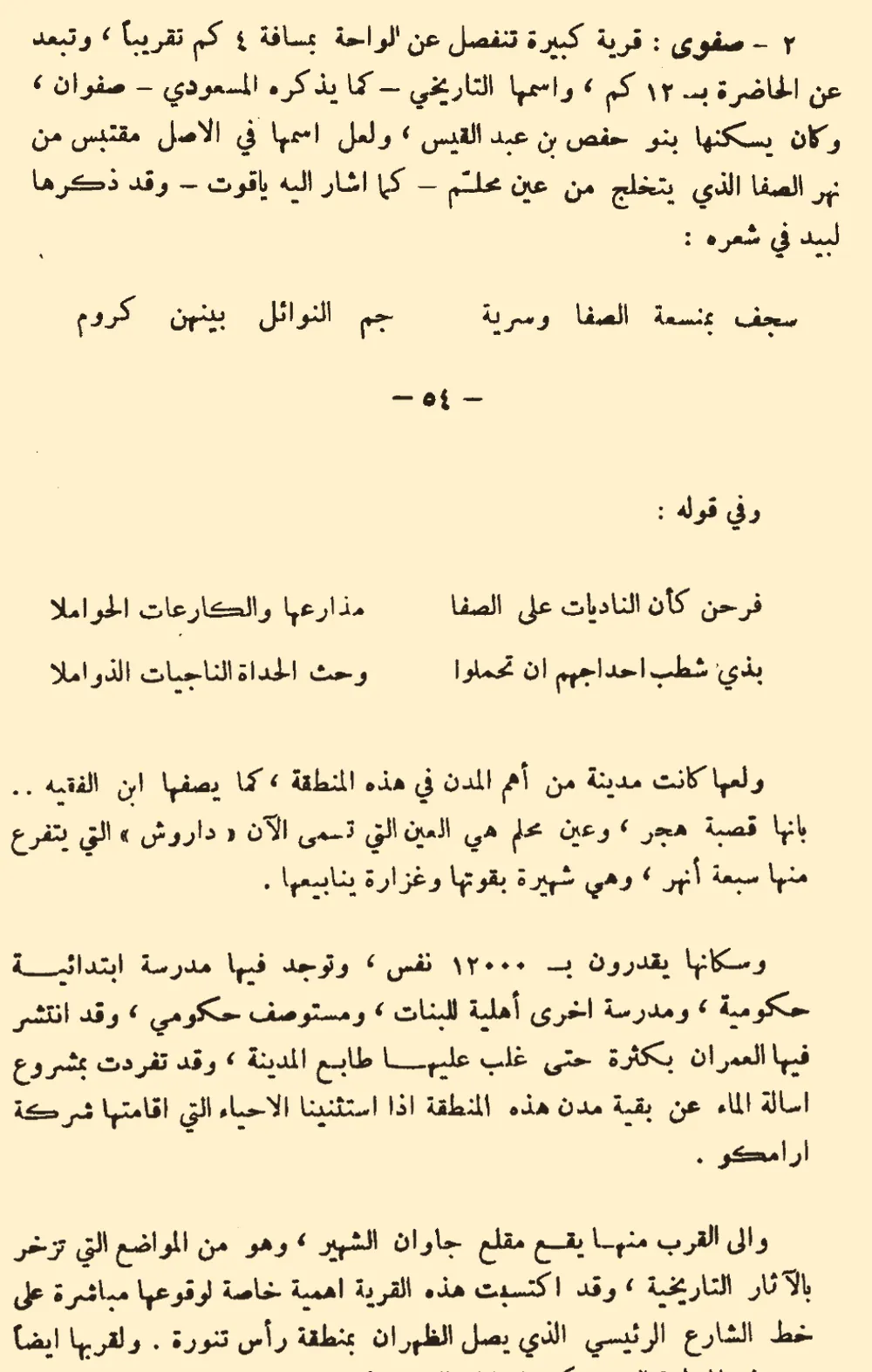
علي بن إبراهيم الدرورة – تاريخ الاحتلال البرتغالي للقطيف، 2001م، ص 54
Before government schools, learning in the Qatif oasis, Safwa included, rested on kuttabs and on study circles led by men of religion on the model of Najaf. These circles produced the oasis's scholars and its first poets and writers. From Safwa came the religious scholar Sheikh Muhammad Salih al-Safwani, the journalist Salman al-Safwani, owner of the Baghdad newspaper al-Yaqdha, and the writer ʿAli Salman al-Safwani.
Writing in 1962, al-Muslim recalls that some twenty-five years earlier, before Dammam, Khobar and the oil towns existed, the region had no schools, no printing presses and no newspapers. Kuttabs, spread through Qatif and its villages, taught reading, writing and basic arithmetic.
Alongside them were study circles led by men of religion, where students learned Arabic grammar, logic, philosophy, theology, jurisprudence and its principles, on the model of the seminaries of Najaf. These circles produced the region's scholars and jurists and its first generation of writers and poets, the seed of its modern literary revival.
2Scholars of the oasis
Safwa had its scholars long before the modern age. When Sheikh Muhammad al-ʿAmili passed through the region in 1747, he met learned men there, among them Sheikh Husayn al-Safwani.
Among the scholars who fostered Qatif's modern cultural life, al-Muslim names the eminent Sheikh ʿAli Abu al-Hasan al-Khunaizi, Sheikh ʿAli al-Hajj Hasan ʿAli al-Khunaizi, Sayyid Majid al-ʿAwwami, Sheikh ʿAbdullah al-Maʿtuq, Sheikh Muhammad Salih al-Safwani, later judge of endowments and inheritance, Sheikh Faraj al-ʿUmran, Sheikh Muhammad ʿAli al-Jishi, Sheikh Muhammad ʿAli al-Khunaizi, Sheikh Muhammad Salih al-Buraiki, Sheikh Mansur Al Saif, Sheikh Mirza Husayn al-Buraiki and Sheikh Mansur al-Bayyat. Under them the region's first generation of new poets and writers was formed.
3Salman al-Safwani
Al-Muslim places Salman al-Safwani first among the writers who carried the torch of new thought: the owner of the Iraqi newspaper al-Yaqdha, who moved to Iraq and took part in its national movement.
According to the newspaper Al-Madina, he was Salman ibn Salih al-Safwani, born in Safwa in 1899 (al-Darura gives his death as 1988), who left the town in the 1920s at about twenty. He founded al-Yaqdha in Baghdad in 1924; it was stopped twice, returned in 1945 and ran until 1959, and he wrote a daily column in it. He also published al-Maʿarif (1929), al-Minbar al-ʿAmm and Sada al-Yaqdha. He was the first director of Baghdad radio when it was founded in 1938, held ministerial posts in Iraq in the 1960s, and wrote Harb al-Basus and several novels.
4A new generation of writers
Among the pioneers of the essay in the region, al-Muslim names ʿAli Abu al-Suʿud and Hasan al-Khunaizi. A new generation followed, among them Sayyid ʿAli al-ʿAwwami, ʿAbdullah al-Khunaizi, author of Abu Talib, Sayyid Hasan al-ʿAwwami, Jaʿfar Sunbul, ʿAli Salman al-Safwani, ʿAli al-Zaki and ʿAbdullah al-Hajjaj. In those years the leading Arabic newspapers and magazines carried the work of a number of the region's young poets and writers.
Before government schools, Safwa's children learned the Qur'an, reading, writing and arithmetic in kuttabs, traditional classes often held in homes. When the town's first kuttab opened, and who taught there, is not yet recorded.
Al-Yarmouk Primary School, SafwaAl-Yarmouk Primary School
The Imam Ali ibn Abi Talib School is remembered as Safwa's first government school, followed by al-Yarmouk Primary for boys, whose sign gives its founding as about 1962. As pupils multiplied, al-Yarmouk opened a temporary branch, known as the Little School, in a house owned by Mahmoud Ghallab in the Kharij quarter. Former pupils recall cramped rooms, rented houses and even classes on rooftops.
The first girls' primary school opened in the same year. Al-Khwarizmi Intermediate followed in about 1966, the Model Intermediate School in about 1969 and Safwa Secondary School in about 1971. The first girls' intermediate school dates from about 1971, and the first girls' secondary from about 1978.
Graduates remember the Model Intermediate's building, which they date to about 1973, as a leap forward: wide classrooms, glass fronts, courtyards and playing fields.
Early teachers named by former pupils include the headmaster Ahmad al-Mubarak and Sulaiman al-Dawood, both from Umm as-Sahak; Salman al-Ghadir from al-Ahsa; and a Palestinian teacher remembered as Zakariya.
Health services grew in the same years. Safwa’s hospital began as a clinic in 1962, moved into a new building in 1967 and opened its present building in 1998. A health training institute moved to Safwa from Hofuf in 1968 and stayed until 1983, when it moved to Dammam.

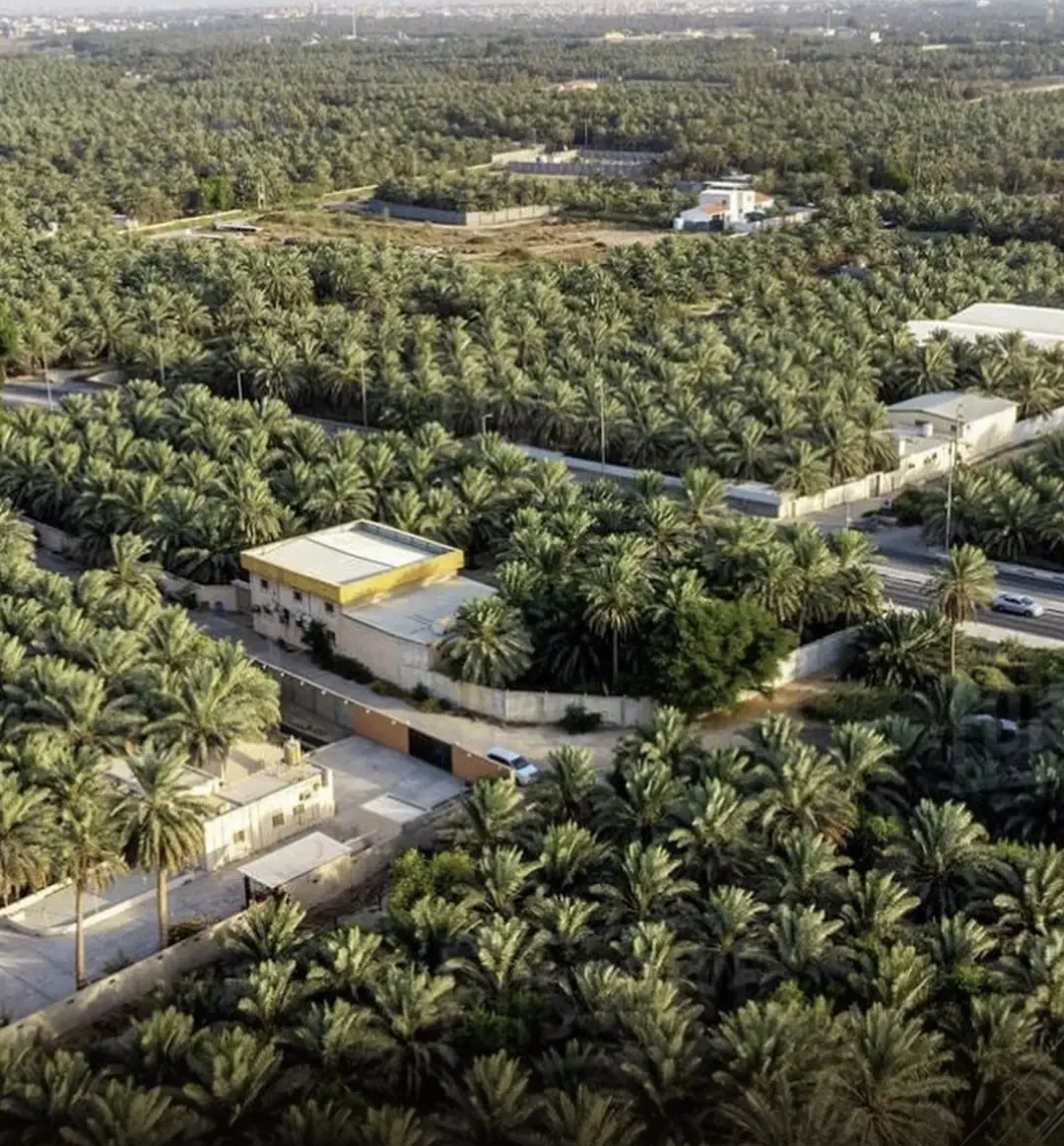 صفوى في القرن العشرينمن امتياز النفط إلى المدارس والطرق، وكيف تحوّلت البلدة المسوّرة إلى مدينة مفتوحة.
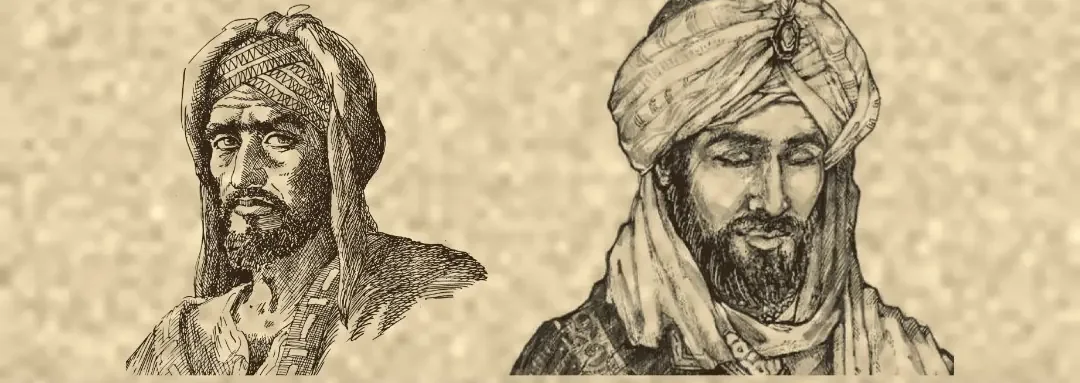 اسم صفوىالصفا، وصفوان، وصفواء: كيف ورد اسم البلدة في الشعر والمعاجم.
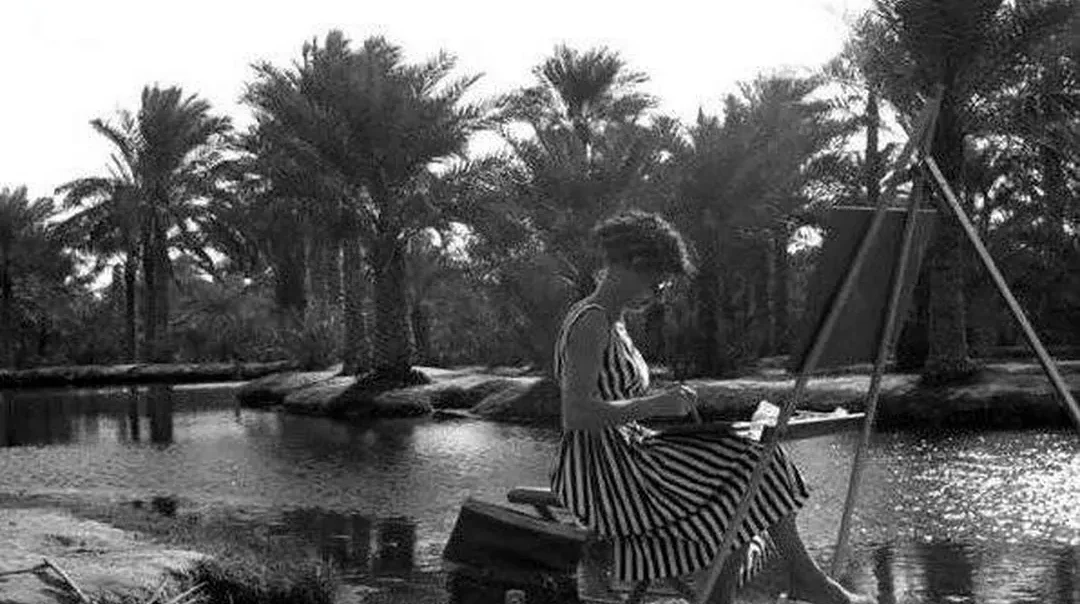 عين داروشعين صفوى الكبرى، سقت نخيل البلدة آلاف السنين.
 التجارة والحِرفمن قوافل الجرهاء وأسواق العرب إلى التمر والسلوق، وحِرف الواحة قبل النفط.
 لهجات صفوى وما حولها«يبل» و«يمل»: لهجة صفوى وأخواتها في واحة القطيف، وجذورها في لهجات العرب القديمة.