الصفا، وصفوان، وصفواء: كيف ورد اسم البلدة في الشعر والمعاجم.Al-Safa, Ṣafwān and Ṣafwāʾ: how the town is named in poetry and old books.
ورد اسم صفوى في المصادر القديمة بصور عدة. فيذكر شعراء الجاهلية «الصفا» ونخيله ومياهه، ويرى بعض الدارسين أنه صفوى. ويُروى أن النبي ﷺ سمّى قرية الصفا حين قدم عليه وفد عبد القيس. ويذكر المسعودي موضعاً يسمّيه «صفوان»، وقد يكون صورة أقدم للاسم. ويسمّيها الشاعر العيوني ابن المقرّب «صفواء» ويصفها شرّاحه بأنها طرف القطيف الشمالي. ويقال إن الاسم مشتق من «عين الصفا»، وهو اسم قديم لعين داروش، لصفاء مائها.
يذكر الشاعران امرؤ القيس وطرفة بن العبد ماء الصفا ونخيله وأشجاره المثمرة. ويرى بعض الباحثين أن الصفا هذه هي صفوى.
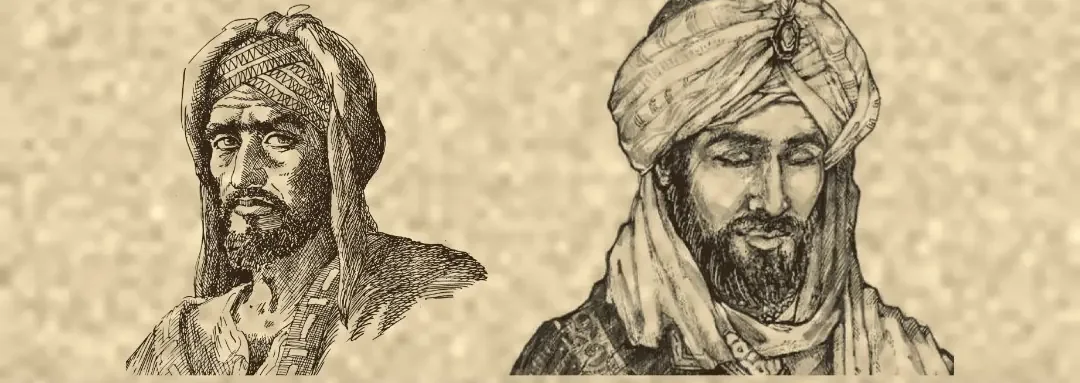
الصفا في الشعر الجاهليامرؤ القيس وطرفة بن العبد، رسمان معاصران
امرؤ القيس وطرفة من أشهر شعراء الجاهلية، وقصائدهما من أقدم ما بقي من الأدب العربي. وكان طرفة نفسه من أهل شرق الجزيرة العربية.
وإن صحّ أن صفاهما هي صفوى، فإن العين وبساتين نخيلها تكون من أقدم المعالم المسمّاة في المنطقة.
وتُظهر الصورتان هنا امرأ القيس (يساراً) وطرفة بن العبد (يميناً)، وهما تصوّران فنّيان حديثان، إذ لم تصلنا أي صورة لأيٍّ من الشاعرين من عصرهما.
كان امرؤ القيس أميراً من كندة، وقضى آخر حياته يطلب الثأر لأبيه حُجر الذي قتله بنو أسد. ولمّا لم يجد عوناً عند ملوك العرب، قصد القسطنطينية يستنجد بقيصر الروم. ومن هذه الرحلة جاءت القصيدة التي ذكر فيها الصفا، ففي آخرها يبكي رفيقه حين يرى الدروب أمامه ويوقن أنهما لاحقان بقيصر، فيجيبه الشاعر: «نحاولُ مُلكاً أو نموتَ فنُعذرا».
أما أبيات الصفا فمن مطلع القصيدة، إذ يتذكر رحيل قوم محبوبته وظعائنهم تتمايل في السراب، فيشبّهها بحدائق الدوم، وبالسفن المطليّة بالقار، وبنخيل باسقة عند الصفا تحمل قنواناً من البسر الأحمر، تقول القصيدة إن بني الربداء من آل يامن حموها بأسيافهم:
وشبّهتُهم في الآلِ لمّا تحمّلواحدائقَ دومٍ أو سفيناً مُقيَّرا
أو المُكرَعاتِ من نخيلِ ابنِ يامنٍدُوينَ الصفا اللائي يلينَ المُشقَّرا
وطرفة من بكر بن وائل، وُلد في شرق الجزيرة العربية، وكان من ندماء عمرو بن هند ملك الحيرة من آل لخم، حتى بلغ الملكَ هجاؤه له. وتقول الرواية المشهورة إن عمراً أرسله مع خاله الشاعر المتلمّس إلى عامله على البحرين، ومع كلٍّ منهما صحيفة مختومة ظنّا أن فيها جائزة. ففتح المتلمّس صحيفته في الطريق، فإذا فيها الأمر بقتله، فألقاها في النهر وفرّ إلى الشام، وهي «صحيفة المتلمّس» التي صارت مثلاً. وأبى طرفة أن يفتح صحيفته، ومضى إلى العامل فقتله وهو دون الثلاثين، نحو سنة 569م.
والقصيدة التي ذكر فيها الصفا ردّه على هذا الغدر، ومطلعها «أبا منذرٍ كانت غروراً صحيفتي»، يخاطب فيها الملك بأن صحيفته كانت خديعة، وأنه لم يعطه ماله ولا عرضه طوعاً. ثم يتوعّد، وهو يواجه الموت، أهلَ المشقّر والصفا، مقرّ رجال الملك في الإقليم، بأن قومه سيثأرون له:
خذوا حذرَكم أهلَ المشقّرِ والصفاعبيدَ إسبذٍ والقرضُ يُجزى عن القرضِ
وتلبسُ قوماً بالمشقّرِ والصفاشآبيبُ موتٍ تستهلُّ ولا تفِضّ
وتُختم القصيدة بذكر رجلين، العبديّ وعوف بن سعد، يحمّلهما طرفة مسؤولية سوقه إلى الموت.
والمشقّر حصن من حصون الإقليم، كثيراً ما يُذكر مع الصفا. وإسبذ اسم أُطلق على الحكّام الموالين للفرس في الإقليم.
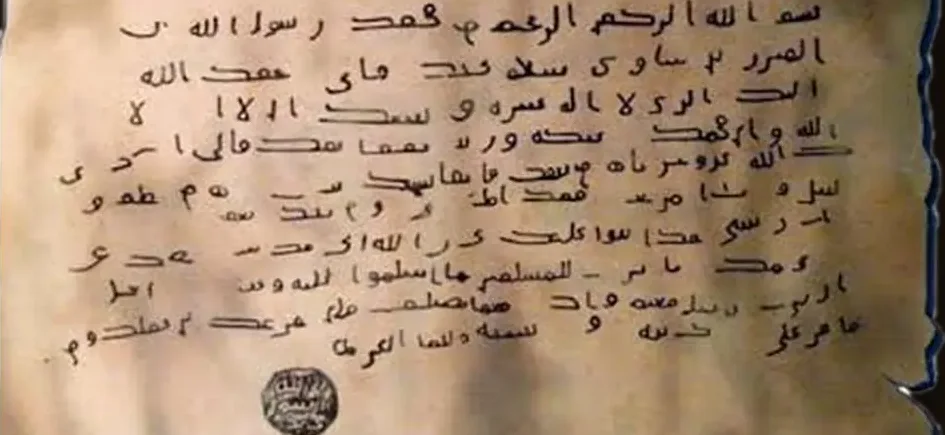
في السنة السابعة للهجرة، نحو 628–629م، وفد وفدٌ من عبد القيس على النبي محمد في المدينة المنورة، بزعامة المنذر بن عائذ المعروف بالأشج، ومعه خمسة وعشرون رجلاً.
وفي رواية في مسند الإمام أحمد بن حنبل أن النبي رحّب بالأشج وسأله عن بلاده، وسمّى له قرية الصفا، ودعا لعبد القيس الذين أسلموا طائعين غير كارهين، ووصفهم بأنهم خير أهل المشرق.
ويرى كتّاب محليون أن قرية الصفا هذه هي صفوى الحالية؛ إذ يصف ياقوت الحموي لاحقاً الصفا بأنه نهر بالبحرين يتخلّج من عين محلّم، وهي العين التي عُرفت فيما بعد بعين داروش.
يذكر المؤرخ المسعودي موضعاً اسمه «صفوان» بين مواضع البحرين، وينسب أهله إلى بني حفص من عبد القيس.
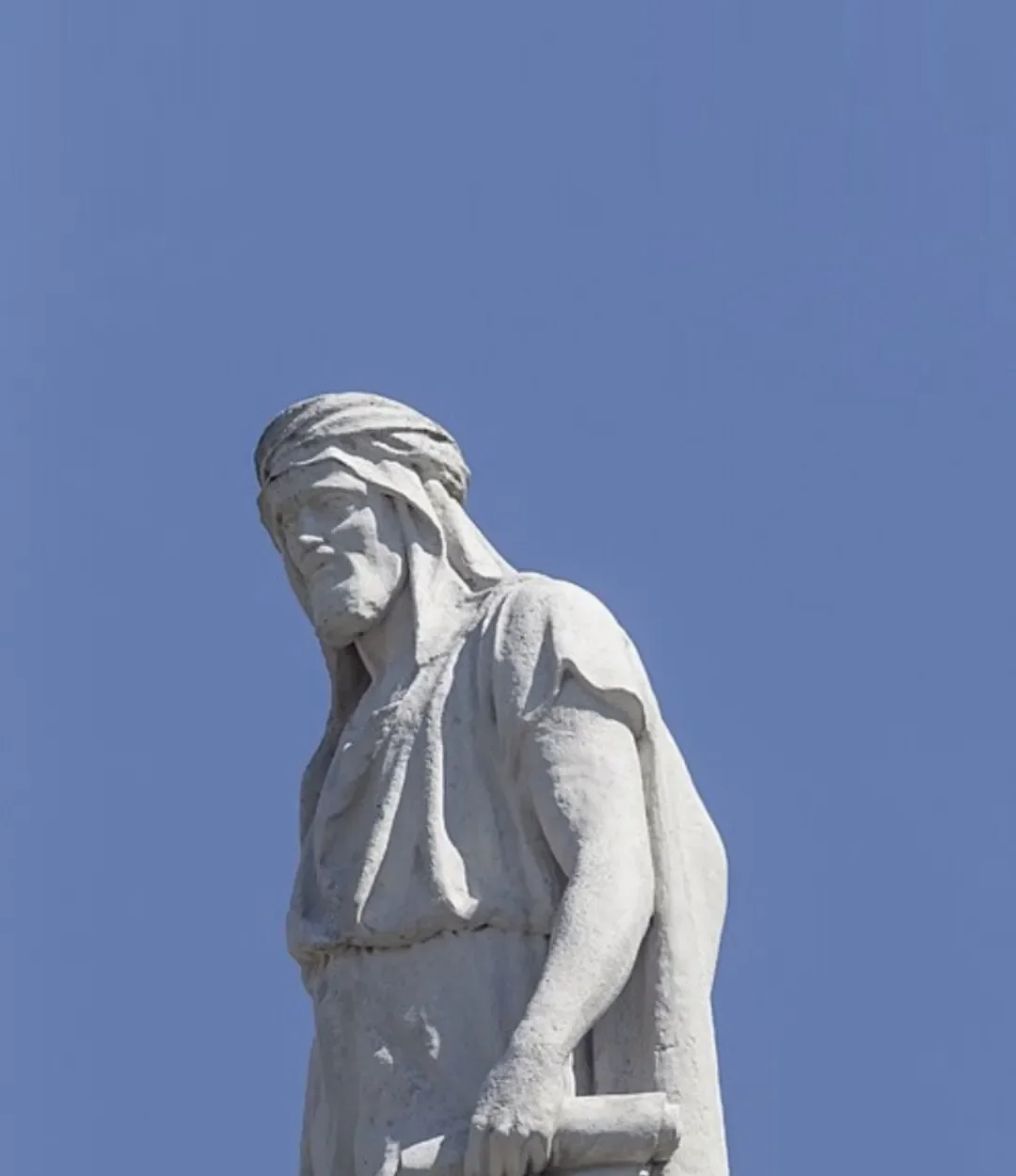
«صفوان» عند المسعودي؟ويكيبيديا – تمثال المسعودي، متحف التاريخ الطبيعي، فيينا
يرى بعض المؤرخين المحليين أن «صفوان» صيغة قديمة لاسم صفوى، أو تصحيف له. فإن صحّ ذلك كان هذا أقدم ذكر مكتوب للبلدة، قبل ابن المقرّب بنحو ثلاثمئة عام.
غير أن هذا التحديد لم يثبت بعد، ويحتاج إلى دراسة دقيقة لمخطوطات المسعودي وطبعاته، وللجغرافيا التي يصفها.
والمسعودي (نحو 896–956م) من كبار مؤرخي العالم الإسلامي وجغرافيّيه، ويُلقَّب أحياناً بـ«هيرودوت العرب». وُلد في بغداد، وقضى معظم حياته متنقّلاً في بلاد فارس والجزيرة العربية والهند وشرق أفريقيا، وأبحر في المحيط الهندي. وعلى ساحل الخليج التقى بحّارةً وتجّاراً حدّثوه عن بلادٍ بعيدة حتى الصين.
وأشهر مؤلفاته «مروج الذهب ومعادن الجوهر»، الذي كتب مسوّدته الأولى عام 947م وراجعه عام 956م. وتوفي في القاهرة عام 956م، بعد فراغه من آخر كتبه «التنبيه والإشراف».
ويضيف محمد سعيد المسلم في «ساحل الذهب الأسود» (1962م) أن الجغرافي ابن الفقيه الهمذاني عدّها في كتابه «البلدان» قصبة هجر.
والتمثال الظاهر هنا يقف على سطح متحف التاريخ الطبيعي في فيينا، الذي شُيّد في أواخر القرن التاسع عشر، وهو تصوّر متخيَّل لنحّات أوروبي، إذ لم تصلنا أي صورة للمسعودي من عصره.
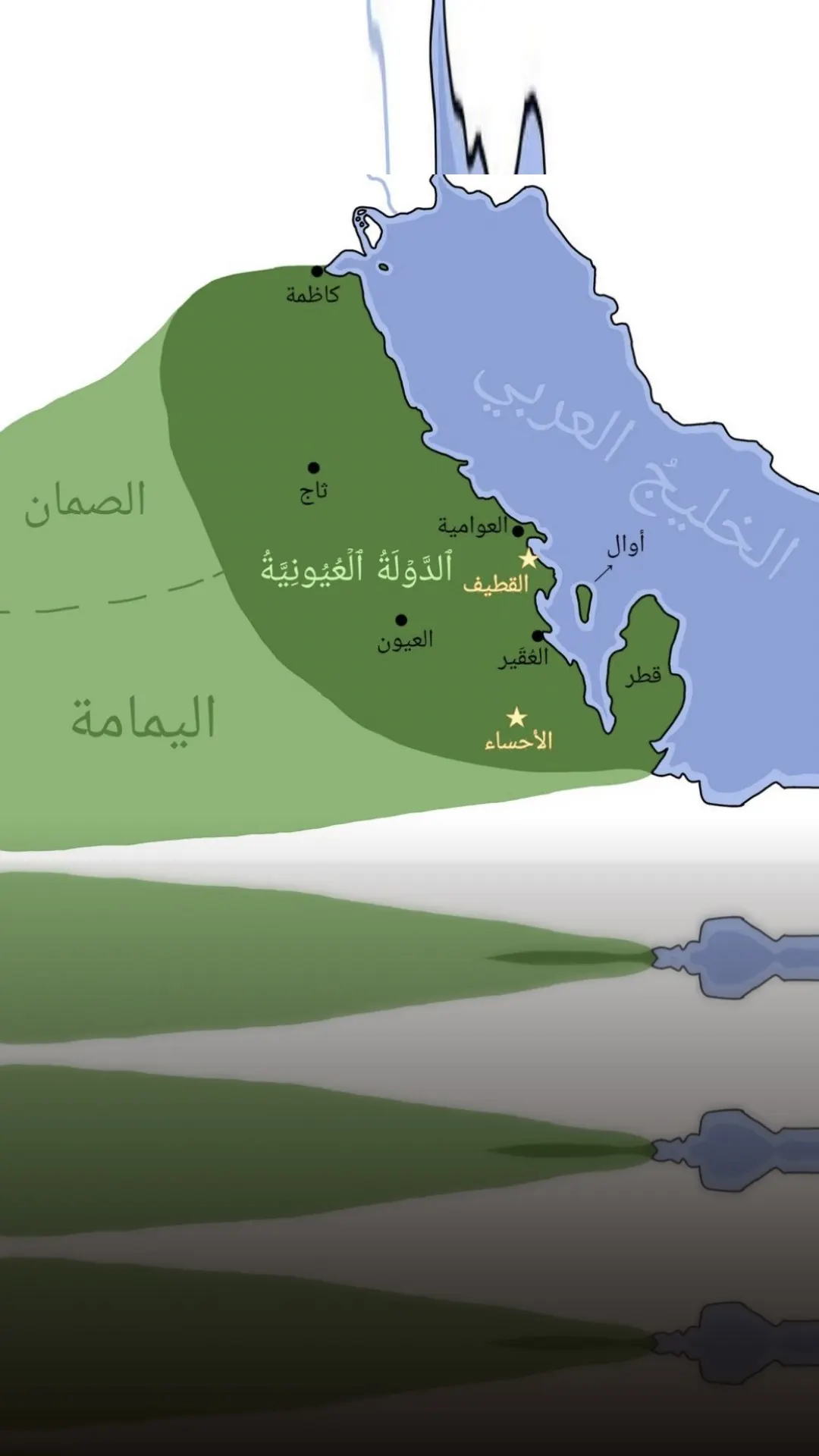
يذكر الشاعر العيوني علي بن المقرّب (ت. نحو 1232م) البلدة مرتين في ديوانه، ويكتب اسمها «صفواء».
ففي أحد أبياته يرسم ساحل الخطّ، وهو الاسم القديم لإقليم القطيف، من صفواء شمالاً إلى الظهران جنوباً:
والخطُّ من صفواءَ حازوها فماأبقَوا بها شبراً إلى الظهرانِ
وفي بيت آخر يصف قوماً نزلوا بها:
نزلوا على صفواءَ صبحاً وابتنَوافيها القبابَ وأيقنوا بأمانِ
ويقول شارح الديوان إن «صفواء موضعٌ بالقطيف من البحرين»، وإنها «طرف القطيف الشمالي»، ويذكر عيونها العذبة ونخيلها. وهذا يطابق صفوى اليوم تماماً، فيجعله من أقوى الشواهد المبكرة على وجود البلدة.
وفي بعض الطبعات يُكتب الاسم «صفوى» أو «صفوا»، ويرجّح محقق إحدى الطبعات العلمية أن «صفواء» هي كتابة الشاعر نفسه.
يصف الجغرافي ياقوت الحموي في «معجم البلدان» الصفا بأنه نهر بالبحرين يتخلّج من عين محلّم. وكانت «البحرين» آنذاك تعني ساحل شرق الجزيرة العربية كله، وطابق المؤرخ محمد سعيد المسلم محلّماً بعين داروش، بينما رأى الشيخ حمد الجاسر أنه عين أم سبعة.
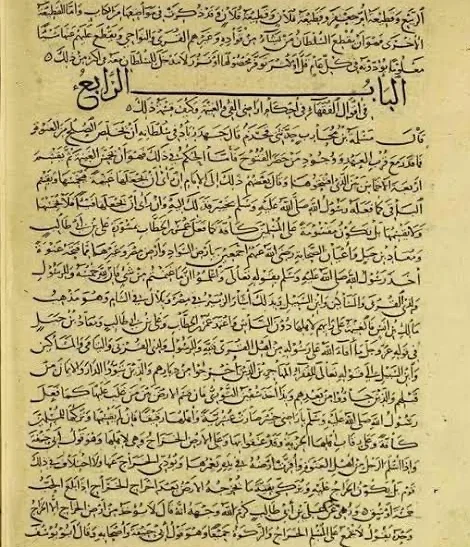
صفحة من مخطوطة معجم البلدان لياقوت الحمويالمكتبة الرضوية، مشهد – مخطوطة معجم البلدان لياقوت الحموي
ويذكر ياقوت قرية «الجنان» قرب عين محلّم، ورأى الجاسر أن اسمها تصحيف لاسم جاوان، الموقع الأثري شمال صفوى.
جاب ياقوت الحموي (ت. 1229م) البلاد طويلاً، وألّف واحداً من أكبر المعاجم الجغرافية في العالم الإسلامي في العصور الوسطى، مرتّباً على حروف المعجم.
ويُعدّ مدخله القصير من أقدم ما كُتب في وصف ماء صفوى.
والصفحة المعروضة هنا من مخطوطة للمعجم محفوظة في المكتبة الرضوية بمشهد في إيران، وهي مطلع الباب الرابع من مقدمة الكتاب، في أقوال الفقهاء في أحكام الأراضي المفتتحة.
محمد سعيد المسلم – ساحل الذهب الأسود، بتقديم حمد الجاسر المؤرخ 1962م، ص 54–55، 130–132، 196–211
al-Bakri – Muʿjam mā istaʿjam, Vol. I, pp. 80–81
Rajab Muhammad ʿAbd al-Halim – Qabilat ʿAbd al-Qays mundhu zuhur al-Islam hatta nihayat al-ʿasr al-Umawi
Safwa's name appears in old sources in several forms. Pre-Islamic poets name al-Safa, with its palms and water, which some scholars identify with Safwa. The Prophet Muhammad is reported to have named the village of al-Safa when the ʿAbd al-Qays delegation came to him. The historian al-Masʿūdī lists a place called Ṣafwān, which may be an older form of the name. The Uyunid poet Ibn al-Muqarrab spells it Ṣafwāʾ, and the commentary on his poems calls it the northern end of al-Qatif. The name is said to come from ʿAin al-Safa, an old name of ʿAin Daroush, after the clarity of its water.
The poets Imru' al-Qais and Tarafa ibn al-'Abd mention the waters of al-Safa with its palms and fruit trees. Some scholars identify this al-Safa with Safwa.
Al-Safa in pre-Islamic poetryImru' al-Qais and Tarafa ibn al-ʿAbd, modern drawings
Imru' al-Qais and Tarafa are two of the most famous poets of pre-Islamic Arabia, and their poems are among the oldest surviving Arabic literature. Tarafa came from eastern Arabia himself.
If their al-Safa is the same place, it would make the spring and its palm groves one of the oldest named landmarks of the region.
The portraits here show Imru' al-Qais (left) and Tarafa ibn al-ʿAbd (right). Both are modern artists' impressions; no likeness of either poet survives from their own time.
Imru’ al-Qais, a prince of Kinda, spent his later years trying to avenge his father, Hujr, killed by the tribe of Asad. When the Arab kings would not help him, he set out for Constantinople to ask the Byzantine emperor for an army. The poem that names al-Safa comes from that journey: in its closing verses his travelling companion weeps on seeing the mountain passes ahead, knowing they are bound for Caesar, and the poet answers that they will win a kingdom or die trying, and be excused.
The verses on al-Safa come from the poem's opening, where he remembers watching his beloved's tribe strike camp and move off, their camel-litters swaying in the shimmering heat. He compares the line of litters to groves of doum palms, to ships, and to tall date palms at al-Safa, heavy with red-ripening clusters, which the poem says the Banu al-Rabdaʾ of the family of Yamin guarded with their swords:
وشبّهتُهم في الآلِ لمّا تحمّلواحدائقَ دومٍ أو سفيناً مُقيَّرا
أو المُكرَعاتِ من نخيلِ ابنِ يامنٍدُوينَ الصفا اللائي يلينَ المُشقَّرا
“As they set off through the haze, I likened them to groves of doum palms, or to tar-caulked ships, or to the well-watered palms of Ibn Yamin, just below al-Safa, beside al-Mushaqqar.”
Tarafa, of the tribe of Bakr ibn Waʾil and born in eastern Arabia, was a companion at the court of ʿAmr ibn Hind, the Lakhmid king of al-Hira, until verses he had made mocking the king reached him. According to the traditional account, ʿAmr then sent Tarafa and his uncle, the poet al-Mutalammis, to his governor in al-Bahrain, each carrying a sealed letter that they believed promised a reward. Al-Mutalammis had his letter read on the way, found that it ordered his death, threw it in the river and fled to Syria. Tarafa refused to open his, went on, and was put to death by the governor, while still in his twenties, around 569.
The poem that names al-Safa is his answer to that betrayal. It opens by telling the king, addressed as Abu Mundhir, that his letter was a deceit, and that he never gave up his wealth or his honour willingly. Then, facing death, Tarafa warns the people of al-Mushaqqar and al-Safa, the seat of the king's men in the region, that his own people will come to avenge him:
خذوا حذرَكم أهلَ المشقّرِ والصفاعبيدَ إسبذٍ والقرضُ يُجزى عن القرضِ
“Beware, people of al-Mushaqqar and al-Safa, servants of Isbadh: a loan is repaid with a loan.”
وتلبسُ قوماً بالمشقّرِ والصفاشآبيبُ موتٍ تستهلُّ ولا تفِضّ
“And showers of death will pour down on a people at al-Mushaqqar and al-Safa, and will not stop.”
The poem ends by naming two men, al-ʿAbdi and ʿAwf ibn Saʿd, whom Tarafa blames for leading him to his death.
Al-Mushaqqar was a fortress of the region, often named together with al-Safa. Isbadh was a name for the Persian-aligned rulers of the region.
In the seventh year of the Hijra, about 628–629, a delegation of the ʿAbd al-Qays travelled to the Prophet Muhammad in Medina. It was led by al-Mundhir ibn ʿAʾidh, known as al-Ashajj, with twenty-five men.
According to a report in the Musnad of Ahmad ibn Hanbal, the Prophet welcomed al-Ashajj, asked him about his homeland and named the village of al-Safa. He prayed for the ʿAbd al-Qays, who had accepted Islam willingly, and called them the best of the people of the east.
Local writers identify this al-Safa with today's Safwa. Yaqut al-Hamawi later describes al-Safa as a river in al-Bahrayn branching from the spring of Muhallam, the spring later known as ʿAin Daroush.
The historian al-Masʿūdī lists a place called Ṣafwān among the places of al-Bahrayn, and links its people to the Banū Ḥafṣ of ʿAbd al-Qays.
Ṣafwān in al-Masʿūdī?Wikipedia – Statue of al-Masʿudi, Natural History Museum, Vienna
Some local historians believe Ṣafwān is an older form of Safwa's name, or a copying error for it. If they are right, this is the oldest written mention of the town, about 300 years before Ibn al-Muqarrab.
The identification is not yet proven. It needs a close look at the Arabic manuscripts and editions of al-Masʿūdī, and at the geography he describes.
Al-Masʿudi (c. 896–956) was one of the great historians and geographers of the Islamic world, sometimes called “the Herodotus of the Arabs”. Born in Baghdad, he spent most of his life travelling: through Persia, Arabia, India and East Africa, and across the Indian Ocean. On the coast of the Gulf he met sailors and merchants who told him about lands as far away as China.
His best-known work is Murūj al-Dhahab (The Meadows of Gold), first drafted in 947 and revised in 956. He died in Cairo in 956, soon after finishing his last book, al-Tanbīh wa al-Ishrāf.
Muhammad Saʿid al-Muslim, in Sahil al-Dhahab al-Aswad (1962), adds that the geographer Ibn al-Faqih al-Hamadhani, in his Kitab al-Buldan (Book of Countries), described it as the chief town of Hajar.
The statue shown here stands on the roof of the Natural History Museum in Vienna, built in the late 19th century. It is a European sculptor's imagined likeness; no portrait of al-Masʿudi survives from his own time.
The Uyunid poet ʿAlī ibn al-Muqarrab names the town twice in his Dīwān, his collected poems, spelling it Ṣafwāʾ (صفواء).
In one verse he traces the coast of al-Khaṭṭ, the old name for the region around Qatif, from Ṣafwāʾ in the north to al-Ẓahrān in the south:
والخطُّ من صفواءَ حازوها فماأبقَوا بها شبراً إلى الظهرانِ
“And al-Khaṭṭ, from Ṣafwāʾ, they seized it, leaving not a span of it as far as al-Ẓahrān.”
In another he describes people arriving there:
نزلوا على صفواءَ صبحاً وابتنَوافيها القبابَ وأيقنوا بأمانِ
“They encamped at Ṣafwāʾ in the morning, and set up their tents there, feeling secure.”
The commentary on the Dīwān calls Ṣafwāʾ “a place in al-Qatif, in al-Bahrayn” and “the northern extremity of al-Qatif,” and mentions its freshwater springs and palm groves. That matches modern Safwa exactly, which makes this one of the strongest early pieces of evidence for the town.
Some printed editions spell the name صفوى or صفوا. The editor of a scholarly edition argues that صفواء was the poet's own spelling.
The geographer Yaqut al-Hamawi, in his Mu'jam al-Buldan (Dictionary of Countries), describes al-Safa as a river in Bahrain flowing from the spring of Muhallam. 'Bahrain' then meant the whole eastern Arabian coast. The historian Muhammad Saʿid al-Muslim identified Muhallam with ʿAin Daroush; Sheikh Hamad al-Jasir proposed another spring, ʿAin Umm Sabʿa.
A manuscript page of Yaqut’s Muʿjam al-BuldanAstan Quds Razavi Library, Mashhad – manuscript of Yaqut al-Hamawi, Muʿjam al-Buldan
Yaqut also mentions a village, al-Junan, near the spring of Muhallam. Al-Jasir read the name as a miscopying of Jawan, the ancient site north of Safwa.
Yaqut al-Hamawi (died 1229) travelled widely and compiled one of the largest geographical dictionaries of the medieval Islamic world, arranged alphabetically by place name.
His short entry is one of the earliest written descriptions of Safwa's water.
The page shown here is from a manuscript of the dictionary held in the Astan Quds Razavi library in Mashhad, Iran. It opens the fourth chapter of the book’s introduction, on what jurists said about conquered lands.

 عين داروشعين صفوى الكبرى، سقت نخيل البلدة آلاف السنين.
 عبد القيسالقبيلة العربية التي استوطنت إقليم البحرين قبل الإسلام.
 العيونيون والعصفوريوندولتان عربيتان حكمتا شرق الجزيرة العربية، وشهدت صفوى معاركهما.
 صفوى في كتب الرحّالةما كتبه الرحّالة والأدلة البريطانية عن صفوى والقطيف.