النخلة قلب الزراعة في واحة القطيف، ومصدر الغذاء والعمل والبيت.The palm at the heart of the Qatif oasis: food, work and home.
كانت الزراعة عماد واحة القطيف، والنخلة قلبها. وضمّت بساتين صفوى نحو خمسين ألف نخلة تسقيها عين داروش وأنهارها السبعة. واشتهرت الواحة بأصناف من التمر، منها الخلاص والخنيزي والبكيرة، وكان الماء يُقسم بين البساتين بحصص أسبوعية دقيقة. ولم يكن يُهدر من النخلة شيء.
كانت الزراعة عماد الحياة في واحة القطيف، والنخلة قلبها. ويقدّر المسلم عدد النخيل في الواحة بأكثر من مليون نخلة، وكانت الواحة تنتج أيضاً الرمان والتين والمشمش والحمضيات وجميع أنواع الخضار.
وكان نضج الرطب يبدأ في أوائل يوليو ويستمر حتى ديسمبر، وأشهر أصنافه: الماجي والبكيرة والغرّ والخنيزي والخلاص والبصو والهلالي وخصاب العصفور، وأجودها الخلاص. وكان يُصدّر تمر البكيرة والخنيزي، و«السلوق» المتخذ من بسر الخنيزي بعد سلقه وتجفيفه، وكانت السفن تأتي من الهند وباكستان لشرائه في بداية الموسم، وكذلك «الدبس» المستخرج من التمر.
ولم يكن يضيع من النخلة شيء: فمن جذوعها تُتخذ السقوف والأبواب، وتُحرق في صهر الطين لصنع مادة البناء، ومن سعفها تُصنع المراوح والحصر والأوعية والأطباق، ومن ليفها تُفتل الحبال. حتى القبور كانت تُسقف بجذوعها وحصرها.
وللنخلة قدسية بالغة بين السكان، فالفلاحون يتورعون عن قطع النخلة وهي في عنفوان شبابها، لاعتقادهم أن لها شأناً عند الله، ويورد المسلم الحديث: «أكرموا عمّاتكم النخل».
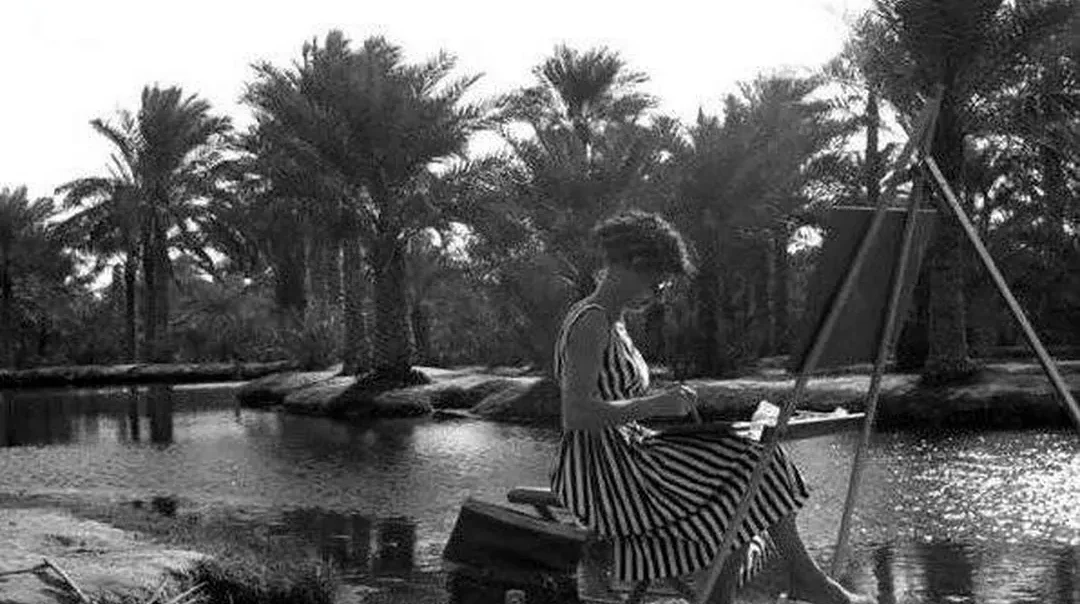
كانت واحة القطيف تُسقى من أكثر من مئة عين جارية، أشهرها داروش في صفوى، والربيعية والحارق في العوامية، والغار وساداس في القديح، والحمّام في البحاري التي تُقصد مياهها المعدنية للاستشفاء. وكان الشائع أن العمالقة هم الذين حفروها.
وكانت في الغالب أحواضاً مربعة تحيط بها المصاطب والمدرجات للجلوس أثناء الاستحمام، يبرد ماؤها صيفاً ويسخن شتاءً. وكان بعضها مقصوراً على استحمام النساء، وفي مبنى عين الحمّام قسم خاص بهن.
ومن كل عين يخرج نهر رئيسي يسمى «الساقية»، تتفرع منه «المشاريب» التي توزّع الماء على الأحواض لسقي الأشجار. وكانت النخيل تستقر على الأرض المرتفعة التي تسمى «الجابور»، وتُزرع الأشجار الأخرى في الأحواض. وكانت تتخلل البساتين ترع عميقة تسمى «المرامي» تجمع فضلات المياه وتدفعها إلى الأنهار الكبيرة، «السيبان»، التي تسقي الأراضي المنخفضة في شرق الواحة.
والماء جزء لا يتجزأ من الأرض. فماء العين الواحدة مقسوم على البساتين إلى أربعة عشر قسماً في الأسبوع، تسمى «أوضاحاً»، لكل يوم نهاره وليله، وتقسم بدورها إلى أنصاف وأرباع وأثمان. وكان الفلاحون يعتمدون في ضبط الوقت على امتداد الظل وتقلّصه نهاراً، وعلى النجوم ليلاً.
وبعد اكتشاف الزيت انتشرت الآبار الارتوازية، حفرتها شركة الزيت أولاً ثم أكثر منها الأهالي. وحذّر المسلم سنة 1962م من أن مياه العيون القديمة تتناقص سنة بعد سنة، وأن بعض العيون المشهورة توقفت عن الجريان، وأن بساتين الجهات الغربية أوشكت أن تتحول إلى صحراء. ثم جفّت عيون صفوى أيضاً.
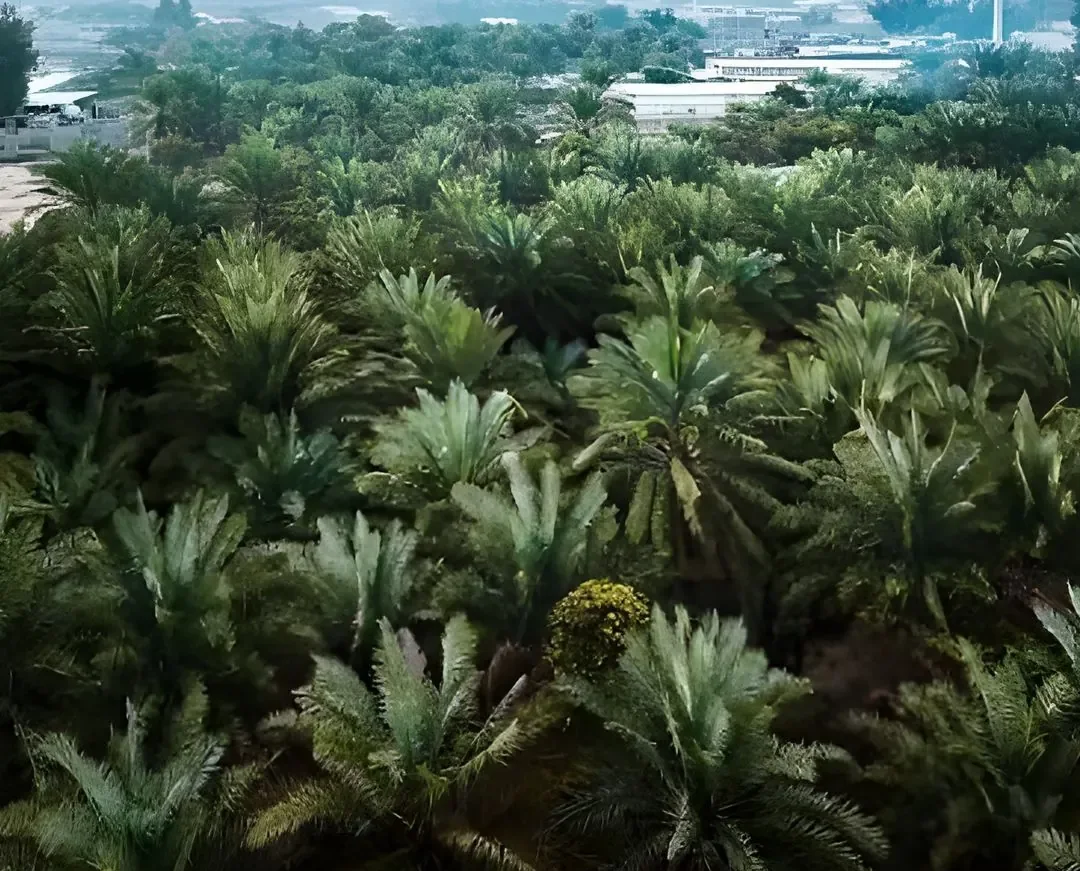
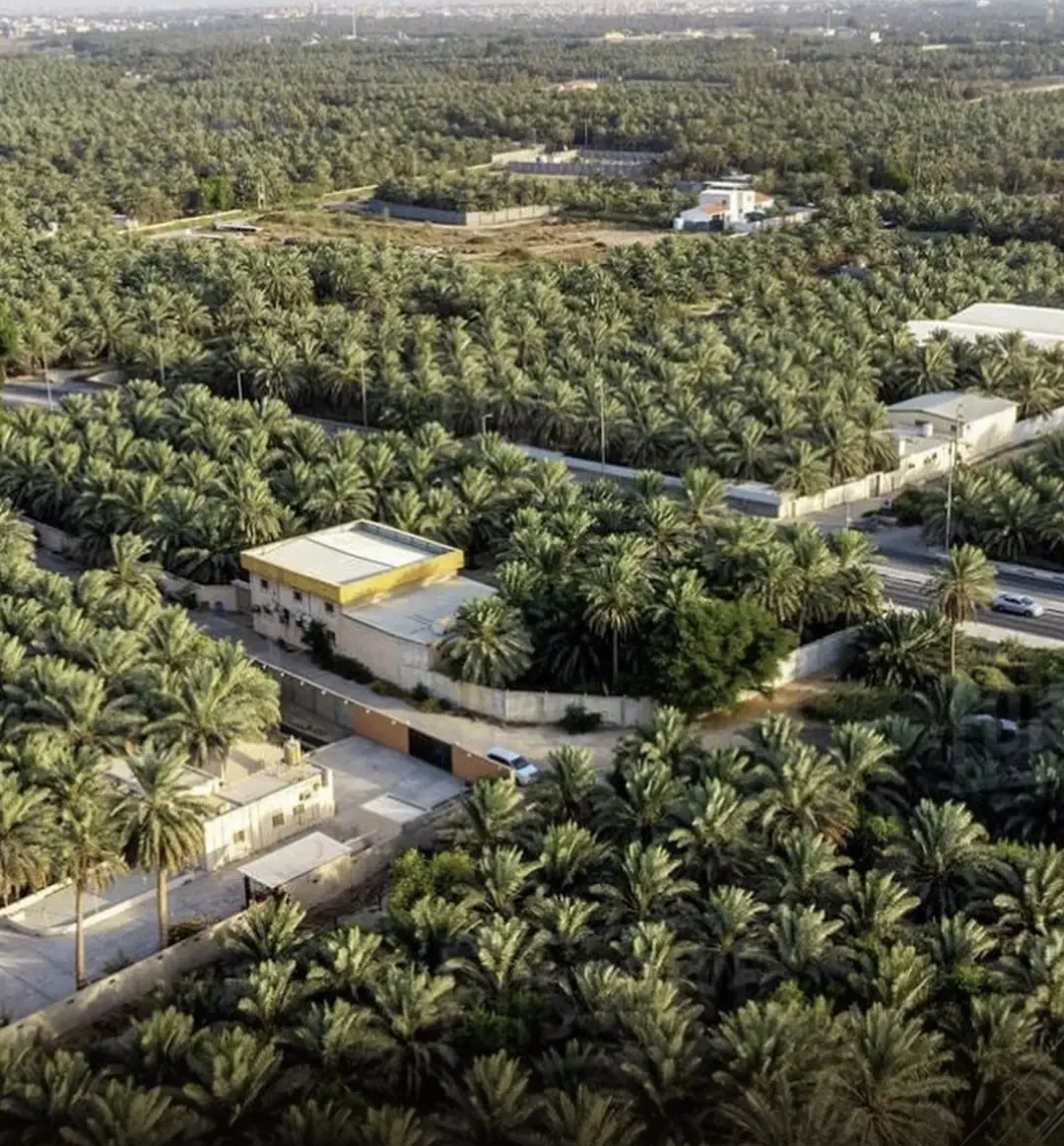
ليست النخلة مجرد محصول في صفوى؛ فكما في سائر واحة القطيف، نشأ اقتصاد البلدة وغذاؤها وحياة أهلها حول بساتين النخيل التي ترويها العيون والجداول.
منظر على بساتين النخيل في صفوىمنظر على بساتين النخيل في صفوى
وكانت واحة صفوى تضم نحو خمسين ألف نخلة، تسقيها عين داروش وجداولها السبعة. ويأتي هذا الرقم من تقارير صحفية محلية، والفترة التي يشير إليها غير محددة.
وكان جدول القميح يتجه شمالاً إلى بساتين عُرفت بالزعافرينيات والصبيبحات، وجدول الأوسي يعبر مزارع النخيل شرقاً حتى البحر.
ووثّق الباحثون في واحة القطيف عشرات الأصناف المحلية من النخيل، منها الخنيزي والخلاص والغرى والشيشي، وبعضها نادر اليوم. أما أيّها كان يُزرع في صفوى نفسها فلم يُوثّق بعد.
ومنذ جفاف العيون تقلّصت البساتين: شحّت المياه، وامتد العمران على الأراضي الزراعية، وارتفعت تكاليف الري والعناية والجني، فيما صارت الأرض أعلى قيمةً للبناء.
أعاد فريق الغوص في أرامكو تدفّق بئر ارتوازية ظلّت عقوداً تسقي بساتين النخيل في صفوى.
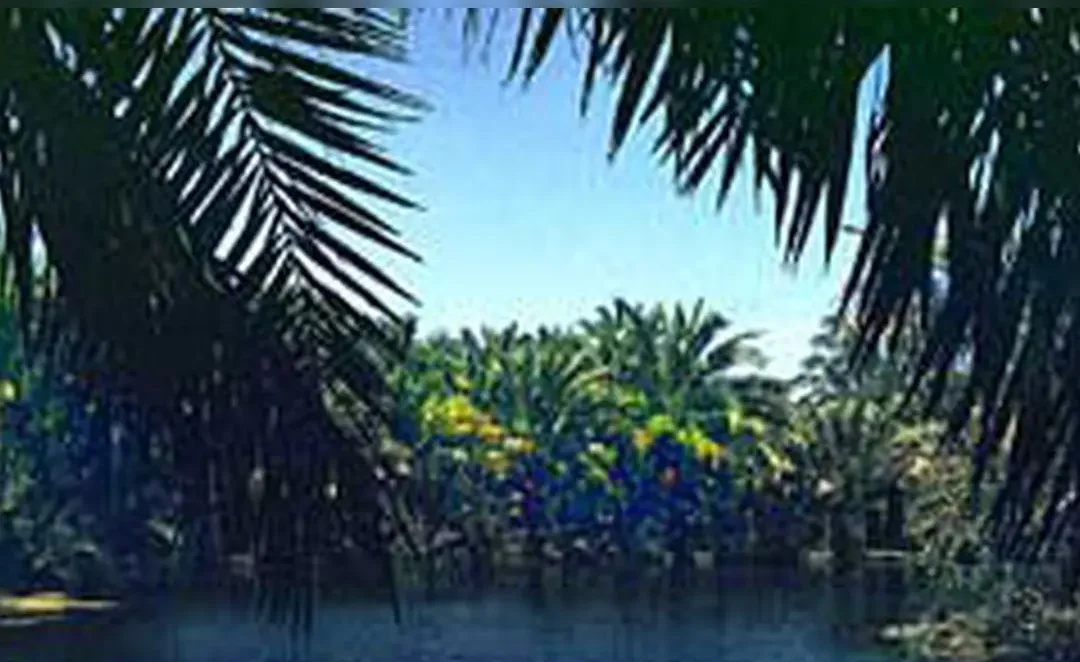
عين بين بساتين النخيلعين بين بساتين النخيل
كانت الرمال والمخلّفات قد سدّت البئر، فلم يبقَ الماء إلا في اثنين من أنهارها الخمسة. وانتشل الغوّاصون ما كان يسدّها، ومنه إطارات قديمة وهيكل درّاجة.
ونُشرت القصة في مقال «غوّاصو الجزيرة العربية» (Divers of Arabia) في مجلة أرامكو وورلد في مارس 1975م، وهي شهادة نادرة على طريقة سقي مزارع صفوى في السبعينيات، في الوقت الذي كانت فيه العيون القديمة تنضب.
5الزراعة في الواحة
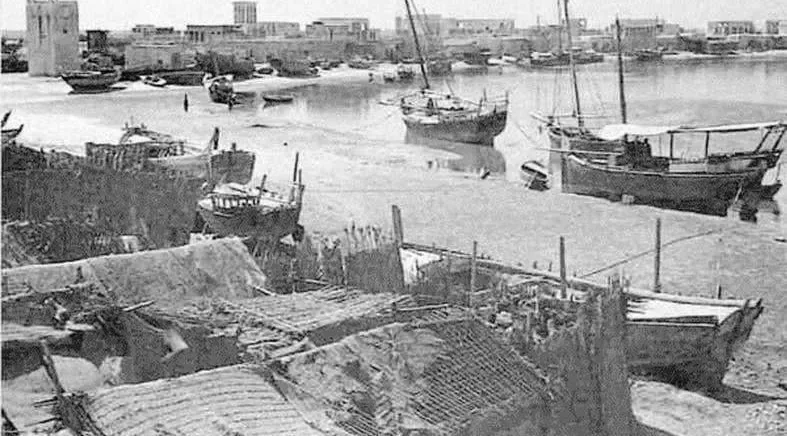
كانت الزراعة أهم ما تعتمد عليه منطقة القطيف في حياتها الاقتصادية. فأغلب السكان فلاحون، إلى جانب طبقة صغيرة من ملّاك الأراضي، وقلّة تمتهن الملاحة والصيد أو الحِرف البسيطة، أما الغوص فكان يشارك فيه الفلاحون والبدو بنصيب كبير. وحتى التجّار كانوا يعتمدون في معيشتهم على بساتينهم.
وكانت الزراعة سنة 1962م لا تزال تسير على نهجها القديم: تُحرث الأرض بالمسحاة، وتُسمَّد بالأسمدة الحيوانية، وطرق الغرس ونظم الري كما هي منذ آلاف السنين، وإذا أصابت الآفات الأشجار استسلم الفلاح والمالك للقدر. وبدأت بوادر التطور في بعض الأراضي الجديدة باستعمال الآلات الزراعية والأسمدة الكيماوية، وإنشاء مشاتل للأزهار والنباتات، وتربية الدواجن وتفريخ البيض بالآلات، وكانت وزارة الزراعة تنوي إنشاء وحدة لإرشاد المزارعين.
وكانت الزكاة تؤخذ قديماً بتصنيف النخيل بحسب قوته إلى أعلى وأوسط وأدنى، ويُفرض على كل صنف مبلغ معيّن. ثم صار الثمر يُخرص قبل نضجه، ويُقدّر إنتاج البستان، ويؤخذ منه العُشر. وفي هذا التصنيف قُسمت التمور إلى البكيرة والخنيزي، وتدخل باقي الأصناف تحت اسم «الأبيض».
محمد سعيد المسلم – ساحل الذهب الأسود، 1962م، ص 205–207
Farming was the backbone of the Qatif oasis, and the palm was its heart. Safwa's groves once held around 50,000 palms, watered by ʿAin Daroush and its seven channels. The oasis was known for its dates, among them Khalas, Khunayzi and Bukayra, and water was shared between the gardens in careful weekly shares. Nothing of the palm was wasted.
Farming was the backbone of the Qatif oasis, and the palm was its heart. Al-Muslim counts more than a million palms in the oasis, which also grew pomegranates, figs, apricots, citrus and every kind of vegetable.
The fresh dates ripened from early July into December. The best known were al-Maji, al-Bukayra, al-Ghar, al-Khunayzi, al-Khalas, al-Busr, al-Hilali and Khisab al-ʿUsfur, with al-Khalas thought the finest of all. Bukayra and Khunayzi dates were exported, along with salloo, Khunayzi dates boiled and dried, which ships came from India and Pakistan to buy at the start of the season, and dibs, date syrup.
Nothing of the palm was wasted. Its trunks made roofs and doors and fired the kilns for building lime, its fronds made fans, mats, baskets and trays, and its fibre was twisted into rope. Even graves were roofed with its trunks and mats.
People held the palm in near-sacred respect. Farmers would not cut down a young palm, believing it had a standing with God, and al-Muslim quotes the saying: 'Honour your aunt, the palm.'
The Qatif oasis was watered by more than a hundred flowing springs, among them Daroush in Safwa, al-Rubayʿiya and al-Hariq in al-ʿAwamiya, al-Ghar and Sadas in al-Qudayh, and al-Hammam in al-Bahari, whose mineral water people visited for healing. Local tradition credited their digging to the ancient Amalekites.
Most were square basins ringed by steps and benches for bathers, cool in summer and warm in winter. Some were for women only, and al-Hammam had a separate women's section.
From each spring a main channel, the saqiya, fed smaller channels, the mashrub, which filled basins around the trees. Palms stood on the raised ground, the jabur, while other trees grew in the basins. Deeper ditches, the marami, gathered the run-off and carried it to the larger streams, the sib, which watered the lower, eastern parts of the oasis.
Water was part of the land. Each spring's flow was divided between the gardens into fourteen shares a week, one for every day and every night, and these were split again into halves, quarters and eighths. Farmers kept time by the length of shadows by day and by the stars at night.
After oil was found, artesian wells spread fast, first dug by the oil company and then by everyone. Al-Muslim warned in 1962 that the old springs were weakening year by year, that some famous ones had already stopped flowing, and that the western gardens were turning to desert. The springs of Safwa later ran dry too.
The date palm is more than a crop in Safwa. Like the rest of the Qatif oasis, the town's economy, food and family life grew around its palm groves, watered by springs and channels.
View over Safwa's palm grovesView over Safwa's palm groves
Safwa's oasis once held around 50,000 palms, fed by ʿAin Daroush and its seven channels. The figure comes from local reporting, and the period it describes is not certain.
Qumaih, the northern channel, ran to groves known as al-Zaʿafiriniyat and al-Subaybihat; al-Awsi crossed the palm gardens eastward to the sea.
Researchers in the Qatif oasis have recorded dozens of local date varieties, among them Khunaizi, Khalas, Ghurra and Shishi, some now rare. Which of them were grown in Safwa itself is not yet documented.
Since the springs failed, the groves have shrunk: water became scarce, the town spread over farmland, and the cost of irrigating, tending and harvesting rose while land became worth more for building.
Aramco's diving service restored the flow of an artesian well that had watered Safwa's palm groves for decades.
A spring among the palm grovesA spring among the palm groves
Sand and debris had choked the well, leaving water for only two of its five irrigation channels. The divers brought up what was blocking it, including old tyres and a bicycle frame.
The story appeared in the article “Divers of Arabia” in Saudi Aramco World in March 1975. It is a rare first-hand record of how Safwa's farms were still watered in the 1970s, just as the old springs were failing.
5Farming in the oasis
Farming was the mainstay of the Qatif region's economy. Most people were farmers, alongside a small class of landowners and a few who lived by sailing, fishing or simple crafts; pearl diving drew in many farmers and Bedouin as well. Even merchants depended on their gardens for a living.
In 1962 farming still followed its old ways. The ground was turned with the spade and fed with animal manure, planting and irrigation were as they had been for thousands of years, and when pests struck, farmer and owner alike accepted it as fate. On some newly farmed land the first signs of change had appeared: machinery, chemical fertiliser, nurseries for flowers and plants, and poultry farms with mechanical incubators. The Ministry of Agriculture planned an advisory unit to teach farmers modern methods.
Zakat was once levied by grading the palms by vigour into upper, middle and lower, with a fixed charge on each. Later the crop was estimated before it ripened and a tenth of each garden's yield was taken. Under this system dates were classed as Bukayra or Khunaizi, with all other varieties grouped together as “al-Abyad”, the white.

 عين داروشعين صفوى الكبرى، سقت نخيل البلدة آلاف السنين.
 الغوص على اللؤلؤأهم مصدر للرزق بعد الزراعة حتى الثلاثينيات.
 صفوى في القرن العشرينمن امتياز النفط إلى المدارس والطرق، وكيف تحوّلت البلدة المسوّرة إلى مدينة مفتوحة.
 العيون ونظام الريكيف سقت العيون الجارية نخيل الواحة آلاف السنين، وكيف قُسم ماؤها.