أهم مصدر للرزق بعد الزراعة حتى الثلاثينيات.The most important living after farming, until the 1930s.
كان الغوص على اللؤلؤ أهم مصدر للرزق في المنطقة بعد الزراعة حتى ثلاثينيات القرن العشرين. ويمتد موسمه من مايو إلى آخر سبتمبر، يشارك فيه أهل البلدات والبادية، وفي السنين الجيدة يخرج إلى البحر من الفلاحين عدد يقلّ معه العمّال في البساتين. وفي ليلة 1 أكتوبر 1925م ضربت عاصفة عنيفة أساطيل الغوص على مغاصات الخليج، فبقيت تلك السنة في الذاكرة باسم سنة الطبعة.
حتى الثلاثينيات من القرن العشرين كان الغوص أهم مورد اقتصادي للبلاد بعد الزراعة. وكان موسمه يبدأ من مايو حتى نهاية سبتمبر، ويشارك فيه الحضر والبدو على حد سواء. ويقدّر المسلم محصوله من اللؤلؤ بنحو أربعة ملايين وستمائة ألف روبية هندية، وفي أيام ازدهاره كاد أن يُحدث أزمة في المزارعين، لانصرافهم إلى البحر.
وفي أواخر القرن التاسع عشر قدّر الضابط البريطاني صموئيل باريت مايلز عدد مراكب الغوص في الخليج بما بين 3000 و5000 مركب، يعمل عليها ما بين 27 ألفاً و40 ألف رجل، وكان لعرب الساحل من القطيف حتى الشارقة أوفر الحقوق في المغاصات. وأغنى المغاصات قرب جزر البحرين، تعمل فيها نحو 2500 مركب كل سنة، ويليها ساحل عُمان بنحو 1500 مركب، ويعمل سكان الساحل من القطيف إلى الكويت في المغاصات الأخرى. ويرى مايلز أن الفضل في وقف الحروب بين سكان الساحل يعود إلى معاهدتَي 1820 و1853م.
وكان لكل سفينة ربّانها، «النوخذة»، الذي يعرف مغاصات اللؤلؤ بالبوصلة أو بمواقع النجوم، ويقسم المحصول. والغوّاص هو الذي يبحث عن الصدف في أعماق البحر، يشدّ على أنفه «الفطام»، ويضع في إحدى رجليه ثقلاً ليسرع في النزول، ويحمل زنبيلاً يجمع فيه الصدف. و«السيب» على ظهر السفينة يمسك حبله ويخرجه عند الإشارة. و«الرضيف» يساعد السيب، و«التبّاب» هو المتمرّن على العمل، و«النهّام» يرفّه عنهم بأغانيه ومواويله.
وبعد خصم نفقات الموسم يأخذ النوخذة الخمس، ويُقسم الباقي بين الغواصين والسيوب حسب فريضة متفق عليها. وكانوا يصنّفون اللؤلؤ حسب حجمه: فالصغير «قماش»، والوسط «دانة»، والكبير «جوهرة».
وكان تجار اللؤلؤ، «الطواويش»، يزوّدون الغواصين بالمال والمؤونة قبل الموسم، ويبتاعون لؤلؤهم ويصدّرونه إلى الهند. وكان أكثر الغواصين يعيشون على الدَّين من موسم إلى موسم، وقد وصف ابن بطوطة النظام نفسه في القرن الرابع عشر.
ثم انتشر اللؤلؤ الصناعي الياباني في الأسواق العالمية، فهبطت الأسعار، وانهار التجار، وتراكمت الديون على كثير من الغواصين. ويذكر المسلم، وهو يكتب سنة 1962م، أن الغوص ما زال يجري بالطريقة القديمة، لكنه لم يعد كما كان.
في ليلة 1 أكتوبر 1925م، ضربت عاصفة بحرية شديدة سفن الغوص على اللؤلؤ في مغاصات الخليج، فعُرفت في ذاكرة الخليج بسنة الطبعة.
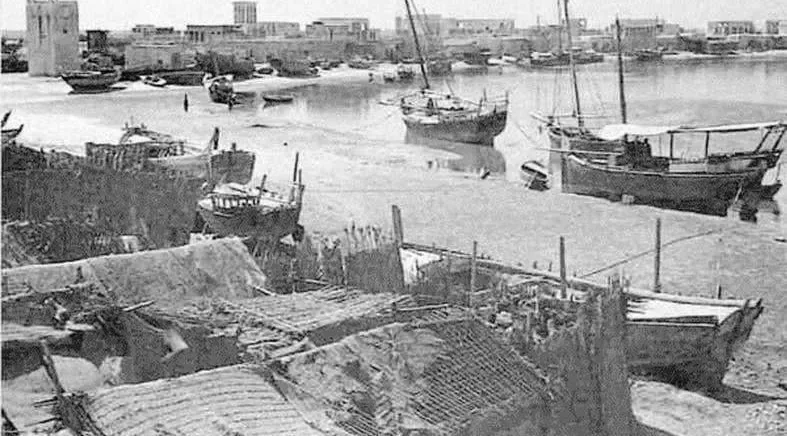
سفن شراعية عند الجزر على ساحل خليجيصحيفة الوطن (البحرين)، جعفر الديري، 21 فبراير 2014م
ضربت العاصفة نحو منتصف الليل، والسفن راسية في المغاصات تنتظر الفجر للغوص، ودامت بحسب إحدى الروايات نحو نصف ساعة فقط. وتجعل بعض الروايات تاريخها 28 سبتمبر.
وتذكر المصادر أن نحو 80٪ من السفن التي كانت في عرض البحر غرقت، ومنها سفن من الكويت والبحرين وساحل شرق الجزيرة العربية وعُمان. وتختلف تقديرات عدد الضحايا اختلافاً كبيراً لغياب الإحصاءات الرسمية، وتتراوح بين نحو 5 آلاف و20 ألفاً، ويعود الرقم الأعلى إلى تقرير لحكومة البحرين.
وفي اليوم التالي خرجت سفن الإنقاذ من البحرين. ونجا أحد البحارة متشبثاً بلوح خشبي حتى انتُشل عند رأس تنورة، على مقربة من صفوى.
وعلى اليابسة أسقطت العاصفة النخيل وألحقت الضرر بالبيوت في واحة القطيف. وينقل الشيخ فرج العمران في كتابه «الأزهار الأرجية» وصفاً لشدة الحداد الذي عمّ القطيف بعدها.
وفي جزيرة تاروت المجاورة، تضم وثيقة بخط الشيخ عبدالله المعتوق التاروتي أسماء أكثر من عشرين بحاراً لفظهم البحر على شواطئها، وظلت الجثث تصل إلى الشاطئ نحو خمسة أيام.
ومن بحارة القطيف، يُذكر الشاعر أحمد الكوفي ناجياً وحيداً، إذ تروي الأخبار أنه سبح يوماً وليلة حتى بلغ القطيف.
وكان غواصو صفوى يرتادون المغاصات القريبة في مياه خليج تاروت شرق البلدة وشمالها، ومنها مغاص أم ارحيم وهير البطين بين رأس تنورة ورحيمة. ويذكر الكاتب المحلي عبد الرسول الغريافي أن جثامين كثير من الغرقى من مناطق الخليج المختلفة وُجدت في مغاصات القطيف والبحرين، وأن غواصي المنطقة لم يتجاوزوا هذه المياه القريبة.
وتسجّل قائمة محلية بالسنوات التي حفظتها ذاكرة المنطقة أن العاصفة خلّفت دماراً شاملاً في الأملاك والبساتين والسفن، وتسمّي السنة التالية، نحو 1926–1927م، «سنة الطفرة»، إذ خرج أهالي صفوى منها لضيق العيش.
وكانت صفوى، بوصفها جزءاً من واحة القطيف، تعيش على البحر والغوص، ولا بد أن أهلها كانوا ممن أصابتهم الكارثة. لكن لم يُعثر حتى الآن على سجل يحدد خسائر صفوى نفسها: عدد من فقدتهم، وأسماءهم، وسفنهم.
وتُظهر الصورة هنا سفناً شراعية عند الجزر على أحد سواحل الخليج، ولا يُعرف مكانها وتاريخها على وجه التحديد.
Pearl diving was the region's most important source of income after farming until the 1930s. The season ran from May to the end of September, and townspeople and Bedouin alike joined it; in good years so many farmers went to sea that the gardens ran short of hands. On the night of 1 October 1925 a violent storm struck the pearling fleets on the Gulf's banks, and the year is remembered as Sanat al-Tabʿa, the Year of the Sinking.
Until the 1930s, pearl diving was the region's most important source of income after farming. The season ran from May to the end of September, and townspeople and Bedouin alike joined it. Al-Muslim puts the yearly catch at around 4.6 million Indian rupees, and in good years so many farmers went to sea that the gardens ran short of hands.
In the late 19th century, the British officer Samuel Barrett Miles put the Gulf's pearling fleet at between 3,000 and 5,000 boats, with 27,000 to 40,000 men. The Arabs of the coast from Qatif to Sharjah held the strongest rights to the banks. The richest banks lay off Bahrain, worked by about 2,500 boats a year, and the coast of Oman came second with about 1,500. The people of the coast from Qatif to Kuwait worked the remaining banks. Miles credits the treaties of 1820 and 1853 with bringing peace to the pearling grounds.
Each boat was led by its captain, the nukhidha, who found the oyster beds by compass or by the stars and divided the catch. The ghawwas dived for the shells, wearing a nose clip, the fitam, with a weight tied to his foot to take him down quickly and a basket to fill. The saib, on deck, held his rope and hauled him up at his signal. The radif helped the saib, the tabbab was the apprentice, and the nahham sang to lift the crew's spirits.
After the costs of the season were taken out, the captain took a fifth, and the rest was shared out by fixed custom between divers and pullers. Pearls were graded by size: small ones were qmash, middling ones dana, large ones jawhara.
The pearl merchants, the tawawish, advanced money and food to the crews before the season, bought their pearls, and sold them in India. Most divers lived on credit from one season to the next. Ibn Battuta had described the same system in the 14th century.
Then Japanese cultured pearls flooded the world market. Prices fell, the merchants were ruined and many crews were left deep in debt. Al-Muslim, writing in 1962, notes that the work was still done in the old way, but it was no longer what it had been.
On the night of 1 October 1925, a violent storm struck the pearl-diving fleets out on the Gulf's pearl banks. It is remembered across the Gulf as Sanat al-Tabʿa, the Year of the Sinking.
Dhows at low tide on a Gulf shoreAl-Watan (Bahrain), Jaafar al-Dairi, 21 February 2014
The storm struck around midnight, while the boats lay at anchor on the pearl banks, waiting to dive at dawn. By one account it lasted only about half an hour. Some accounts give the date as 28 September.
Sources say around 80% of the boats at sea went down, among them boats from Kuwait, Bahrain, the eastern Arabian coast and Oman. Estimates of the dead vary widely, from about 5,000 to 20,000, because no official count was kept. The higher figure comes from a Bahraini government report.
Rescue boats set out from Bahrain the next day. One survivor clung to a plank until he was picked up at Ras Tanura, close to Safwa.
On land, the storm brought down palm trees and damaged houses across the Qatif oasis. Sheikh Faraj al-ʿUmran, in his book al-Azhar al-Arajiyya, describes the mourning that followed in Qatif.
On nearby Tarut island, a document in the hand of Sheikh ʿAbdullah al-Maʿtuq al-Tarouti lists more than twenty sailors whose bodies washed ashore. They kept washing ashore for about five days.
Of Qatif's own sailors, the poet Ahmad al-Kufi is remembered as the only survivor. He is said to have swum for a day and a night to reach Qatif.
Safwa's divers worked the banks close to home, in the waters of Tarut Bay east and north of the town. Among them were Umm Rahim and Hir al-Butain, between Ras Tanura and Rahima. The local writer ʿAbd al-Rasul al-Ghuraifi records that the bodies of drowned men from across the Gulf were found on the banks off Qatif and Bahrain, and that the area's own divers worked only these nearby waters.
A local list of the region's remembered years records that the storm left widespread damage to property, gardens and boats. It names the following year, about 1926–27, Sanat al-Tafra, when people of Safwa left the town because living had become so hard.
Safwa, part of the Qatif oasis, lived from the sea and pearl diving, and its people were surely among those affected. But no record yet found gives Safwa's own losses: how many men it lost, their names, or their boats.
The photograph here shows dhows at low tide on a Gulf shore. Its exact place and date are not known.

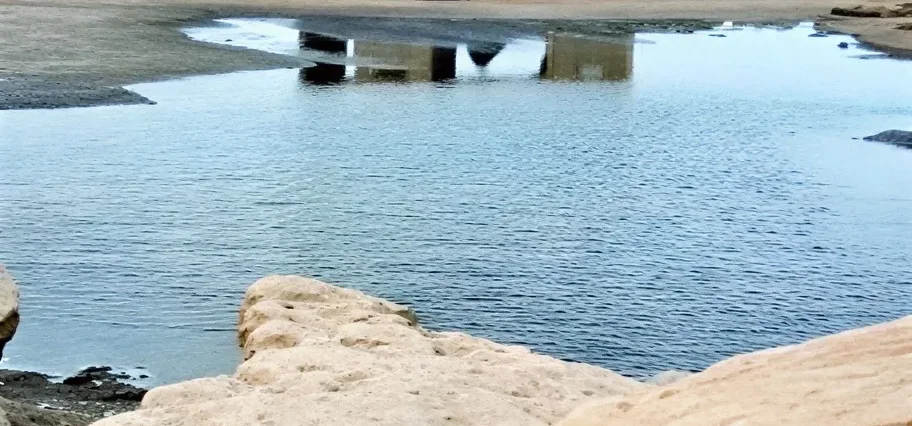 ميناء صفوى وساحلهاالفرضة والجمرك، وحظور الصيد، وغابة القُرم، وطيور الساحل.
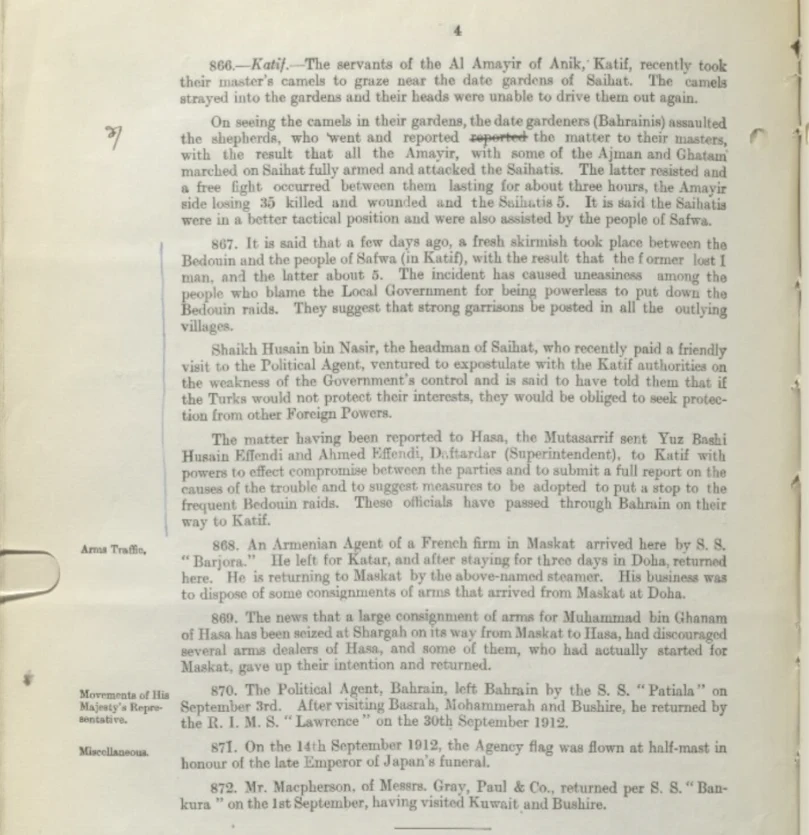 سنوات في ذاكرة صفوىالأوبئة والغارات والحرائق والكوارث التي سمّى بها أهل صفوى سنواتهم.
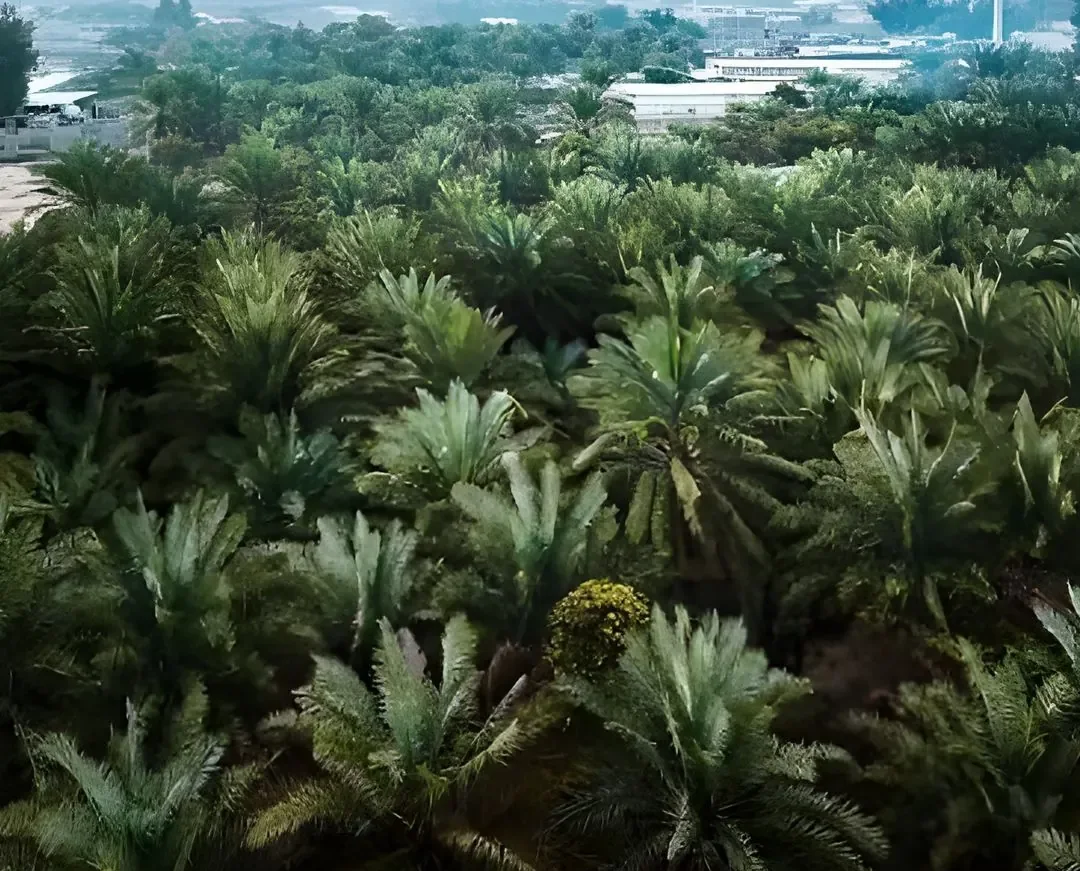 نخيل صفوىالنخلة قلب الزراعة في واحة القطيف، ومصدر الغذاء والعمل والبيت.