القرامطة حركة نشأت من الإسماعيلية، وأقامت منذ تسعينيات القرن التاسع الميلادي دولة في شرق الجزيرة العربية حكمت الإقليم، ومنه القطيف، قرابة قرنين، وجعلت الأحساء عاصمتها. وفي سنة 896م حاصروا الزارة، عاصمة الإقليم القديمة قرب العوامية، وأحرقوها. ومع تراجع قوتهم انتقلت القطيف إلى إمارة آل عيّاش القصيرة، ثم انتهى حكمهم بسقوط الأحساء سنة 1076م وقيام الدولة العيونية.
المحتويات
- عهد القرامطة
- حرق الزارة
- القرامطة عند ابن سعيد
- اقرأ أيضاً
- المصادر
1عهد القرامطة
منذ تسعينيات القرن التاسع الميلادي بنى القرامطة، وهم حركة خرجت من رحم التشيّع الإسماعيلي، دولةً في شرق الجزيرة العربية حكمت المنطقة، ومنها القطيف، قرابة قرنين. وفي عام 896م حاصروا الزارة، حاضرة المنطقة قرب العوامية على مقربة من صفوى، وأحرقوها.
بدأت دعوتهم في المنطقة نحو عام 894م على يد الداعية أبي زكريا يحيى بن علي التمامي، ثم تلاه أبو سعيد الجنابي، الذي بسط سيطرته على معظم إقليم البحرين التاريخي نحو عام 899م، واتّخذ الأحساء عاصمةً بعد خراب هجر. واغتيل أبو سعيد عام 914م. ثم جعلهم ابنه أبو طاهر قوةً في أنحاء الجزيرة العربية وجنوب العراق. وفي عام 930م هاجمت قواته مكة في موسم الحج واقتلعت الحجر الأسود، الذي أُعيد نحو عام 951م.
وقد كتب معظمَ ما نعرفه عن القرامطة خصومُهم، ولذلك يتعامل المؤرخون بحذر مع ما يُنسب إليهم من معتقدات. ومن الشهود القلائل الرحالة الفارسي ناصر خسرو، الذي زار الأحساء عام 1051م ووصف مجتمعاً منظّماً، ذا أراضٍ زراعية غنية، يُعين المحتاجين.
وتراجعت قوتهم بعد هزائم في أواخر القرن العاشر الميلادي. ونحو 1058–1067م فقدوا جزيرة أوال (البحرين)، ثم القطيف لصالح ثائر محلي. ومنذ نحو عام 1070م ثار عليهم عبدالله بن علي العيوني، وحاصر الأحساء سبع سنوات بدعم من العباسيين والسلاجقة. وأنهى سقوطها عام 1076م حكم القرامطة، وبدأت به الدولة العيونية.
وقد طبع عهد القرامطة الإقليم الذي كانت صفوى جزءاً منه. وباستثناء ذكر المسعودي المحتمل لـ«صفوان»، لم يُعثر حتى الآن على مصدر من هذه الحقبة يذكر صفوى بالاسم صراحةً.
2حرق الزارة
في أثناء استيلائهم على الإقليم، حاصر القرامطة الزارة، حاضرة واحة القطيف القديمة، وأحرقوها، فلم تقم لها قائمة بعد ذلك.
كانت الزارة ميناءً ومركزاً تجارياً في واحة القطيف قبل الإسلام بزمن طويل، وكانت في العهد الفارسي مقرّ المرزبان، الحاكم الساساني.
وفي صدر الإسلام، نحو عام 634م، تحصّنت في وجه العلاء بن الحضرمي في حروب الردة، ثم استسلمت بعد أن قطع المسلمون عنها الماء.
وفي أواخر القرن التاسع الميلادي كان يحكمها الحسن بن العوّام من الأزد. وبعد ذلك بقليل أُحرقت في أثناء استيلاء القرامطة على الإقليم، وطواها النسيان، حتى إن المؤرخ ابن الأثير في القرن الثالث عشر الميلادي لم يعد يعرف «الزارة» اسماً لمكان.
ولا يزال موقعها الدقيق موضع خلاف؛ فقد حدّده الشيخ حمد الجاسر بالعوامية، على بُعد كيلومترات قليلة جنوب صفوى، ويقترح آخرون الرمادة أو موقعاً أبعد جنوباً.
3القرامطة عند ابن سعيد
كتب الجغرافي الأندلسي ابن سعيد المغربي (1213–1286م) كتابه في الجغرافيا بعد سنة 1260م، أي بعد زوال دولة القرامطة بنحو قرنين. وذكر فيه أن هجر كانت قاعدة بلاد البحرين في القديم، وأن القرامطة خرّبوها وعمّروا مدينة الأحساء.
وذكر جزيرة أوال، فوصفها بأنها مستطيلة ضيقة، أعرض ما فيها عشرة أميال، وقال إن بها كثيراً من بقايا القرامطة، وإنها كانت مركزهم.
4اقرأ أيضاً
5المصادر
- Farhad Daftary – Carmatians, Encyclopaedia Iranica
- Suhail Zakkar – The Qarmatian State in Bahrain
- Notes on the Qarmatian state
- Wikipedia – Al-Zarah (Bahrayn)
- ويكيبيديا العربية – تاريخ القطيف، والمراجع التي يستند إليها: الطبري؛ جواد علي، المفصّل في تاريخ العرب قبل الإسلام؛ علي الدرورة؛ محمد سعيد المسلم، ساحل الذهب الأسود؛ الأحسائي، تحفة المستفيد
- Wikipedia – Al-Masudi
- ابن الأثير – الكامل في التاريخ، ج 6، ص 264–265
- ابن سعيد المغربي – كتاب الجغرافيا، المكتبة الشاملة، ص 23، 30 (ترقيم الموقع)
The Qarmatians were a movement that grew out of Ismaili Shiʿism. From the 890s they built a state in eastern Arabia that ruled the region, including Qatif, for nearly two centuries, with al-Ahsa as its capital. In 896 they besieged and burned al-Zara, the old regional capital near al-Awamiya, close to Safwa. As their power collapsed, Qatif passed to the short-lived Al ʿAyyash emirate, and the fall of al-Ahsa in 1076 ended their rule and began the Uyunid state.
Contents
- The Qarmatian era
- The burning of al-Zara
- The Qarmatians in Ibn Saʿid
- See also
- Sources
1The Qarmatian era
From the 890s the Qarmatians, a movement that grew out of Ismaili Shiʿism, built a state in eastern Arabia that ruled the region, including Qatif, for nearly two centuries. In 896 they besieged and burned al-Zara, the regional capital near al-Awamiya, close to Safwa.
Their mission in the region began around 894 with the missionary Abu Zakariya al-Tamami, followed by Abu Saʿid al-Jannabi. Under Abu Saʿid they took most of the historical region of al-Bahrayn by about 899 and made al-Ahsa their capital, after the older centre of Hajar was destroyed. He was assassinated in 914. His son Abu Tahir turned them into a power across Arabia and southern Iraq. In 930 his forces attacked Mecca during the Hajj and carried away the Black Stone, which was returned around 951.
Much of what is known about the Qarmatians was written by their opponents, so historians treat accounts of their beliefs with care. One of the few eyewitnesses, the Persian traveller Nasir-i Khusraw, visited al-Ahsa in 1051 and described a well-organised society with rich farmland and help for people in need.
Their power declined after defeats in the late 10th century. Around 1058–1067 they lost the island of Awal (Bahrain), and then Qatif to a local rebel. From about 1070 ʿAbd Allah ibn ʿAli al-Uyuni rose against them and, with Abbasid and Seljuk support, besieged al-Ahsa for seven years. Its fall in 1076 ended Qarmatian rule and began the Uyunid state.
The Qarmatian era shaped the region Safwa belonged to. Apart from al-Masʿudi's possible mention of Ṣafwan, no source from this period has yet been found that clearly names Safwa.
2The burning of al-Zara
During their conquest of the region, the Qarmatians besieged al-Zara, the old capital of the Qatif oasis, and burned it. The town never recovered.
Al-Zara was a port and trading town of the Qatif oasis long before Islam. Under Persian rule it was the seat of the Sasanian governor, the marzban.
In the early years of Islam, around 634, the town held out against al-ʿAlaʾ ibn al-Hadrami during the Ridda wars. It surrendered after the Muslims cut off its water.
By the end of the 9th century al-Zara was governed by al-Hasan ibn al-ʿAwwam of the Azd. Soon after, it was burned in the Qarmatian conquest, and fell into obscurity. By the 13th century the historian Ibn al-Athir no longer knew al-Zara as a place name.
Its exact site is still debated. The scholar Hamad al-Jasir placed it at al-Awamiya, a few kilometres south of Safwa; others suggest al-Ramada or a site further south.
3The Qarmatians in Ibn Saʿid
The Andalusian geographer Ibn Saʿid al-Maghribi (1213–1286) wrote his geography after 1260, some two centuries after the Qarmatian state had fallen. He recorded that Hajar had been the old capital of the land of al-Bahrayn, and that the Qarmatians ruined it and built the city of al-Ahsa.
He also described the island of Awal as long and narrow, at most ten miles wide, and wrote that many remnants of the Qarmatians lived there and that it had been their centre.
4See also
5Sources
- Farhad Daftary – Carmatians, Encyclopaedia Iranica
- Suhail Zakkar – The Qarmatian State in Bahrain
- Notes on the Qarmatian state
- Wikipedia – Al-Zarah (Bahrayn)
- Arabic Wikipedia – History of Qatif (تاريخ القطيف), and the works it cites: al-Tabari; Jawad ʿAli, al-Mufassal; ʿAli al-Darura; Muhammad Saʿid al-Muslim, Sahil al-Dhahab al-Aswad; al-Ahsaʾi, Tuhfat al-Mustafid
- Wikipedia – Al-Masudi
- Ibn al-Athir – al-Kamil fi al-Tarikh, vol. 6, pp. 264–265
- Ibn Saʿid al-Maghribi – Kitab al-Jughrafiya (The Book of Geography), al-Maktaba al-Shamela, web pp. 23، 30

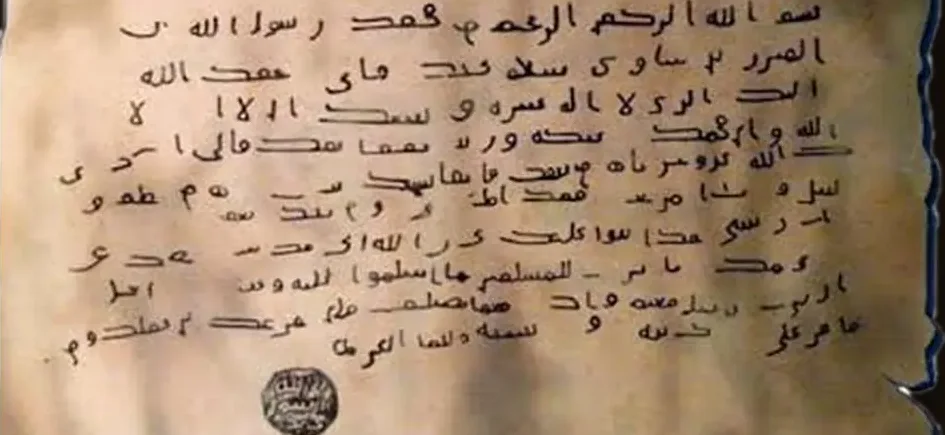 عبد القيسالقبيلة العربية التي استوطنت إقليم البحرين قبل الإسلام.
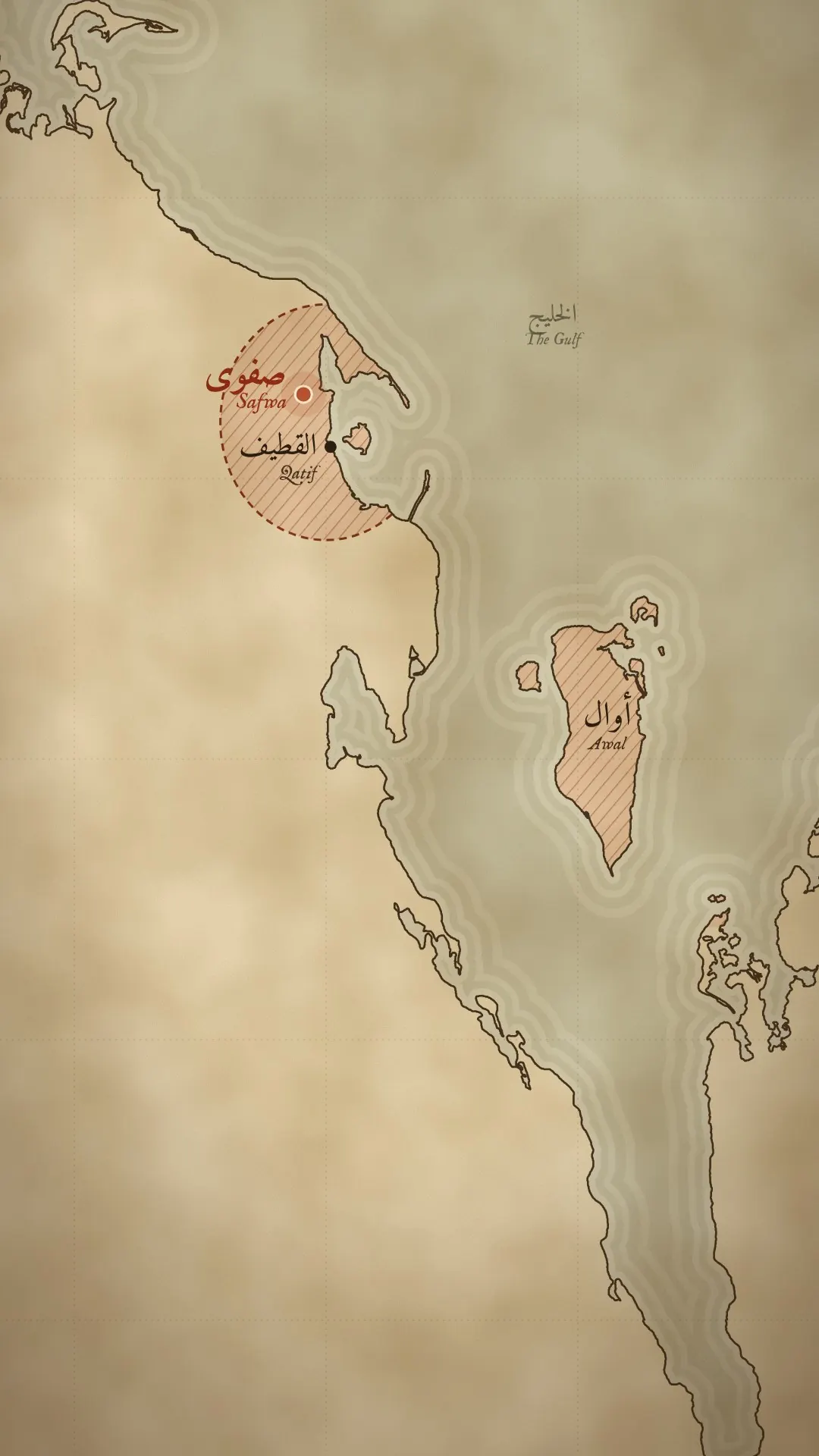 إمارة آل عياشإمارة قصيرة العمر قامت في القطيف بين سقوط القرامطة وقيام الدولة العيونية.
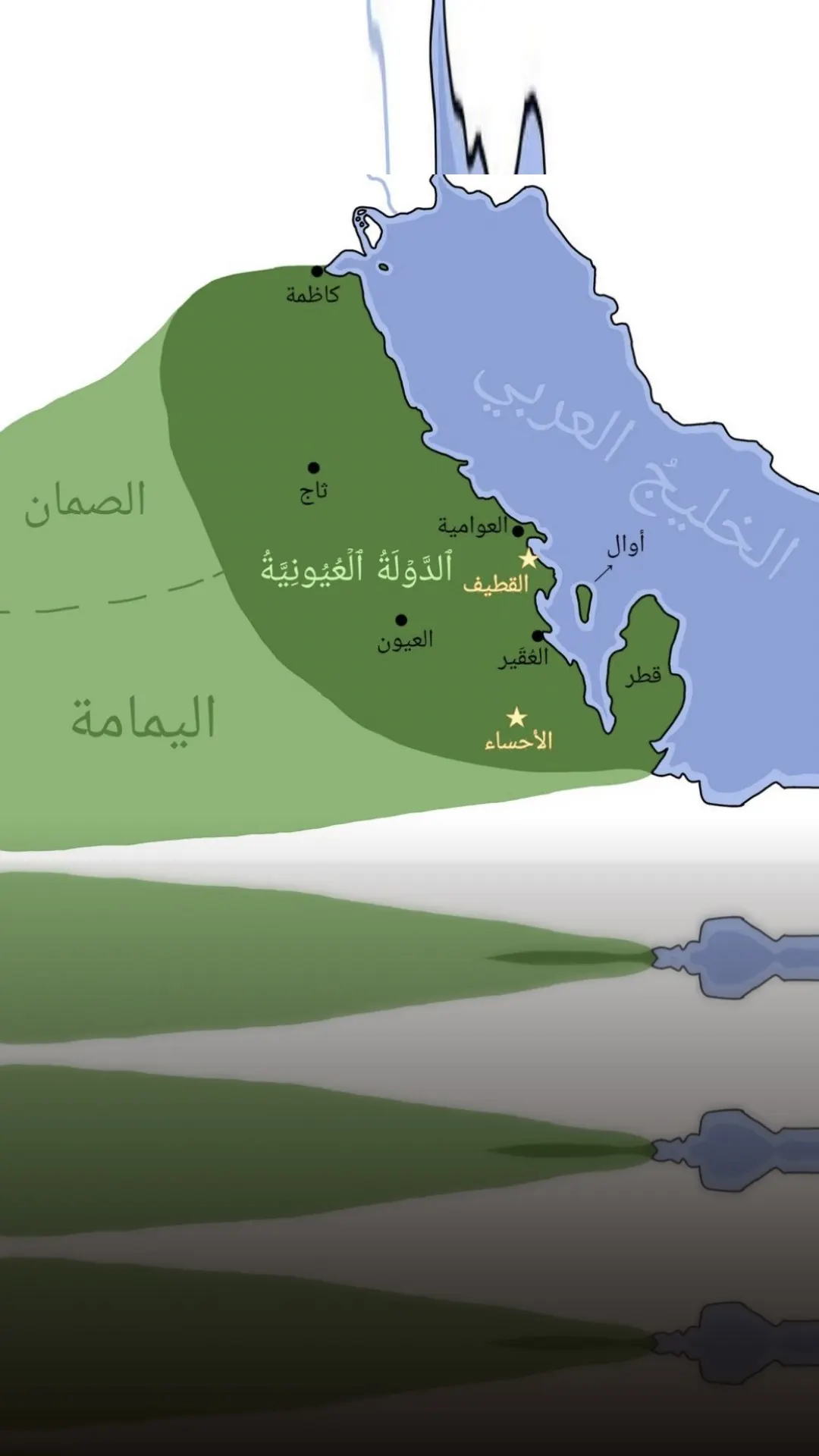 العيونيون والعصفوريوندولتان عربيتان حكمتا شرق الجزيرة العربية، وشهدت صفوى معاركهما.
 اسم صفوىالصفا، وصفوان، وصفواء: كيف ورد اسم البلدة في الشعر والمعاجم.