من الدولة السعودية الأولى إلى دخول القطيف في حكم الملك عبدالعزيز سنة 1913م.From the First Saudi State to Qatif joining King Abdulaziz's rule in 1913.
دخلت القطيف، ومنها صفوى، في الدولة السعودية ثلاث مرات. ففي سنة 1792م ضمّها الأمير سعود بن عبدالعزيز إلى الدولة السعودية الأولى. وفي سنة 1829م انتقلت إلى الدولة السعودية الثانية بعد انتصار الإمام تركي بن عبدالله على بني خالد. وفي مايو 1913م أخذ الملك عبدالعزيز الأحساء والقطيف من العثمانيين، فانتقلت صفوى إلى الحكم السعودي باتفاق مع أعيان الواحة وعلمائها، دون قتال يُذكر.
قاد الأمير سعود بن عبدالعزيز قوات الدولة السعودية الأولى إلى القطيف، التي كانت لا تزال تحت حكم بني خالد، وضمّ الواحة إلى الدولة السعودية.
بعد قتال دخلت سيهات وعنك، وهوجمت بلدة القديح لمناوأتها القوات السعودية. ثم استسلمت بقية قرى القطيف، ومنها العوامية، جارة صفوى من الجنوب.
ولجأ كثير من أهل القطيف إلى بلدة الفرضة، فحاصرها سعود أياماً، ثم استسلمت على شروط منها دفع مال، ذكر ابن بشر أنه ثلاثة آلاف «زر»، أي قطعة ذهبية.
وفي الوقت نفسه كان بنو خالد، الذين حكموا المنطقة منذ سبعينيات القرن السابع عشر، منقسمين بسبب التنافس بين زعمائهم، مما أضعف قبضتهم على الشرق.
ولم تنتهِ المعارضة دفعة واحدة؛ ففي عام 1795م ثار زعماء محليون في الأحساء، منهم صالح بن النجار وسلطان الجبيلي، على الحكم السعودي وحاصروا المبرز، قبل أن تُخمد التعزيزات السعودية الثورة.
وقاومت القطيف نفسها أيضاً؛ فقد امتنع حاكمها عبدالله بن سليمان المحشوري الخالدي عن الخضوع للحكم السعودي، وهزمت قواته جيشاً من نحو ثمانية آلاف مقاتل بقيادة إبراهيم بن عفيصان قرب سيهات. ثم استولى إبراهيم لاحقاً على حصون القطيف وتاروت، وهزم عبدالله في جزيرة تاروت. وعُيّن بعدها أحمد بن غانم أميراً على القطيف، وزيد بن نبهان التميمي على حصونها.
هزم الإمام تركي بن عبدالله، مؤسس الدولة السعودية الثانية، بني خالد في معركة السبية، فانتقلت الأحساء ثم القطيف إلى الحكم السعودي.
بعد سقوط الدولة السعودية الأولى عام 1818م، عاد بنو خالد إلى الحكم في الأحساء بدعم من محمد علي باشا والي مصر، وسيطروا على ميناء القطيف.
ومنذ عام 1824م خاضت قوات تركي معهم سلسلة من المناوشات. وفي عام 1829م قاد تركي نحو 1200 مقاتل واستولى على مورد مياه بني خالد في وبرة بالصمّان، فانقطع عنهم الماء، وتفرّق جيشهم وفرّ تاركاً مواشيه وأمواله، وعُرفت المعركة بالسبية.
ودخل تركي الأحساء بلا قتال، وتحصّن زعيم بني خالد محمد بن عريعر في قصر الكوت بالهفوف ثم استسلم. وجاء زعماء القطيف إلى تركي وبايعوه، فعيّن عمر بن عفيصان أميراً على الأحساء، ولم يأخذ إلا الزكاة المعتادة.
ولم يدم الهدوء طويلاً؛ ففي عام 1834م خرجت القطيف على الدولة، وبينما كان فيصل بن تركي يحاصرها بلغه نبأ اغتيال أبيه في الرياض، فرفع الحصار وعاد إلى نجد.
تؤرّخ مقالة ويكيبيديا العربية عن الإمارة الخالدية الثانية هذه المعركة بسنة 1830م، وتذكر أن ماجد بن عريعر قُتل فيها. وتضيف أن قائد الجيش الخالدي عبد الله بن سليمان المشهوري منع القوات السعودية من دخول القطيف بضعة أشهر، وقاوم في سيهات والقطيف وتاروت، وتحصّن في قلعة تاروت مع 800 رجل حتى سقطت، ففرّ إلى عرب المنتفق في العراق. وتؤرّخ مصادر أخرى مقاومة شبيهة جداً في تاروت، لقائد بالاسم نفسه، بتسعينيات القرن الثامن عشر (انظر 1792م).
في مايو 1913م ضمّ الملك عبدالعزيز (ابن سعود) الأحساء والقطيف بعد إخراج العثمانيين منهما. وانتقلت صفوى، وهي جزء من واحة القطيف، إلى الحكم السعودي بأقلّ قدر من إراقة الدماء.
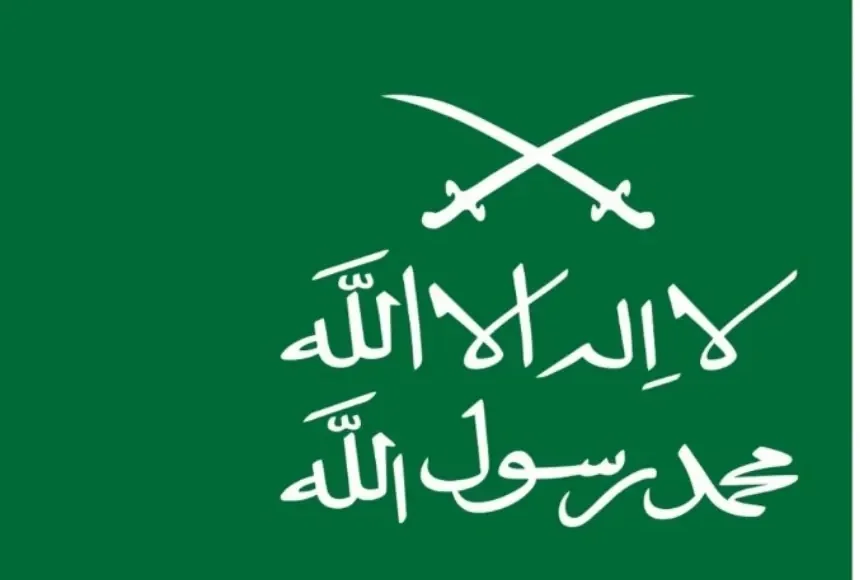
الانضمام إلى الدولة السعوديةراية الدولة السعودية، 1913م
لم يكن هذا التحوّل نتاج القتال بقدر ما كان نتاج الاتفاقات. فقد اختار وجهاء واحة القطيف وعلماؤها، ومنها صفوى، ألّا يقاتلوا إلى جانب الحاميات العثمانية، وفاوضوا على تسليمٍ سلمي بدلاً من ذلك. وتصفهم الروايات بأنهم ضاقوا بضرائب العثمانيين وبعجز الدولة عن حمايتهم من الغارات.
وبموجب الاتفاق قبلوا الحكم السعودي وأداء الضرائب وتعهّدوا بحفظ الأمن، وفي المقابل كفل ابن سعود سلامة أهاليهم وأملاكهم، وحريتهم في ممارسة شعائرهم الدينية في نطاقٍ خاص.
وكان ابن سعود قد كسب كذلك قبائل البادية في المنطقة، ومنها بنو خالد الذين حكموا شرق الجزيرة العربية في ما مضى، وبنو هاجر. ومن دون دعم القبائل وطرق الإمداد الصحراوية، انسحبت الحاميات العثمانية إلى الساحل واستسلمت.
وبعد سقوط الكوت في الأحساء واستسلام المتصرّف العثماني وقواته، أرسل الملك عبدالعزيز سرية بقيادة عبدالرحمن بن سويلم إلى القطيف. ولضعف الحامية العثمانية في قصر السراي بقلعة القطيف وعجزها عن المقاومة، التقى وجهاء القطيف بالحاكم العثماني، وتقرّر تسليم المدينة سلماً حقناً للدماء، وبايع الأهالي الملك عبدالعزيز، لينتهي الحكم العثماني في شرق الجزيرة العربية نهائياً.
وأصبحت المنطقة جزءاً من المملكة العربية السعودية عند إعلانها عام 1932م.
والراية الظاهرة هنا هي راية الدولة السعودية آنذاك: خضراء، تحمل الشهادتين وسيفين متقاطعين.
Qatif, and Safwa with it, joined the Saudi state three times. In 1792 Prince Saud ibn ʿAbd al-ʿAziz added it to the First Saudi State. In 1829 it passed to the Second Saudi State after Imam Turki ibn ʿAbd Allah defeated the Bani Khalid. In May 1913 King Abdulaziz took al-Ahsa and Qatif from the Ottomans, and Safwa passed to Saudi rule through an agreement with the oasis's notables and scholars, with little bloodshed.
Prince Saud ibn ʿAbd al-ʿAziz led the forces of the First Saudi State against Qatif, then still under the Bani Khalid, and added the oasis to the Saudi state.
After fighting, the towns of Sayhat and ʿAnak were taken, and the town of al-Qudayh was attacked for having opposed the Saudi forces. The remaining villages of Qatif surrendered, among them al-Awamiya, Safwa's neighbour to the south.
Many people of Qatif fled to the town of al-Furdha. Saud besieged it for several days, and it surrendered on terms that included a payment, given by Ibn Bishr as 3,000 gold coins.
At the same time the Bani Khalid, who had ruled the region since the 1670s, were split by rivalry between their leaders, which weakened their hold on the east.
Opposition did not end at once. In 1795 local leaders in al-Ahsa, among them Salih ibn al-Najjar and Sultan al-Jubaili, rose against Saudi rule and besieged al-Mubarraz, before Saudi reinforcements put down the revolt.
Qatif itself also resisted. Its governor, ʿAbd Allah ibn Sulayman al-Mahshuri al-Khalidi, held out against Saudi rule, and his forces defeated an army of about 8,000 under Ibrahim ibn ʿAfisan near Sayhat. Ibrahim later took the forts of Qatif and Tarut, and defeated ʿAbd Allah on Tarut island. Ahmad ibn Ghanim was then made governor of Qatif, with Zayd ibn Nabhan al-Tamimi in command of its forts.
Imam Turki ibn ʿAbd Allah, founder of the Second Saudi State, defeated the Bani Khalid at the battle of al-Sabiya. Al-Ahsa and then Qatif passed to Saudi rule.
After the fall of the First Saudi State in 1818, the Bani Khalid had returned to power in al-Ahsa with the support of Muhammad ʿAli Pasha of Egypt, and held the port of Qatif.
From 1824 Turki's forces fought them in a series of clashes. In 1829 Turki led about 1,200 men to seize the Bani Khalid's water supply at Wabra, in the al-Summan desert. Cut off from water, their army broke up and fled, leaving its herds and goods behind. The battle became known as al-Sabiya.
Turki then entered al-Ahsa without a fight. The Bani Khalid leader Muhammad ibn ʿUrayʿir held out in the Kut palace in al-Hofuf before surrendering. The leaders of Qatif came to Turki and pledged allegiance. He appointed ʿUmar ibn ʿUfaysan emir of al-Ahsa and collected only the regular zakat.
The peace did not last. In 1834 Qatif rose against the state, and Turki's son Faisal was besieging it when news came that his father had been assassinated in Riyadh. Faisal lifted the siege and returned to Najd.
Arabic Wikipedia's article on the second Bani Khalid emirate dates this battle to 1830, and says that Majid ibn ʿUrayʿir was killed in it. It adds that the Bani Khalid commander ʿAbd Allah ibn Sulayman al-Mashhuri then kept the Saudi forces out of Qatif for some months, fighting at Sayhat, Qatif and Tarut. He held the castle of Tarut with 800 men until it fell, and fled to the Muntafiq in Iraq. Other sources date a very similar stand at Tarut, by a commander of the same name, to the 1790s (see 1792).
In May 1913, King Abdulaziz (Ibn Saud) took al-Ahsa and Qatif from the Ottomans. Safwa, part of the Qatif oasis, passed to Saudi rule with little bloodshed.
Joining the Saudi stateFlag of the Saudi State, 1913
The change was shaped less by fighting than by agreements. The notable families and religious scholars of the Qatif oasis, which included Safwa, chose not to fight alongside the Ottoman garrisons and negotiated a peaceful surrender instead. Accounts describe them as tired of Ottoman taxes and of the state's failure to protect them from raids.
Under the agreement, they accepted Saudi rule and its taxes and promised to keep order. In return, Ibn Saud guaranteed the safety of their people and property, and their freedom to practise their religious rites in private.
Ibn Saud had also won over the region's Bedouin tribes, among them the Bani Khalid, who had once ruled eastern Arabia, and the Bani Hajer. Without tribal support or desert supply lines, the Ottoman garrisons withdrew to the coast and surrendered.
After the fall of al-Kut in al-Ahsa and the surrender of the Ottoman governor and his troops, Ibn Saud sent a detachment under ʿAbd al-Rahman ibn Suwaylim to Qatif. The Ottoman garrison in the Saray palace of Qatif castle was too weak to resist. The notables of Qatif met the Ottoman governor and agreed to hand over the town peacefully to avoid bloodshed, and the people pledged allegiance to Ibn Saud. Ottoman rule in eastern Arabia was over for good.
The region became part of the Kingdom of Saudi Arabia when the kingdom was proclaimed in 1932.
The flag shown here is the flag of the Saudi state at the time: green, bearing the shahada and two crossed swords.

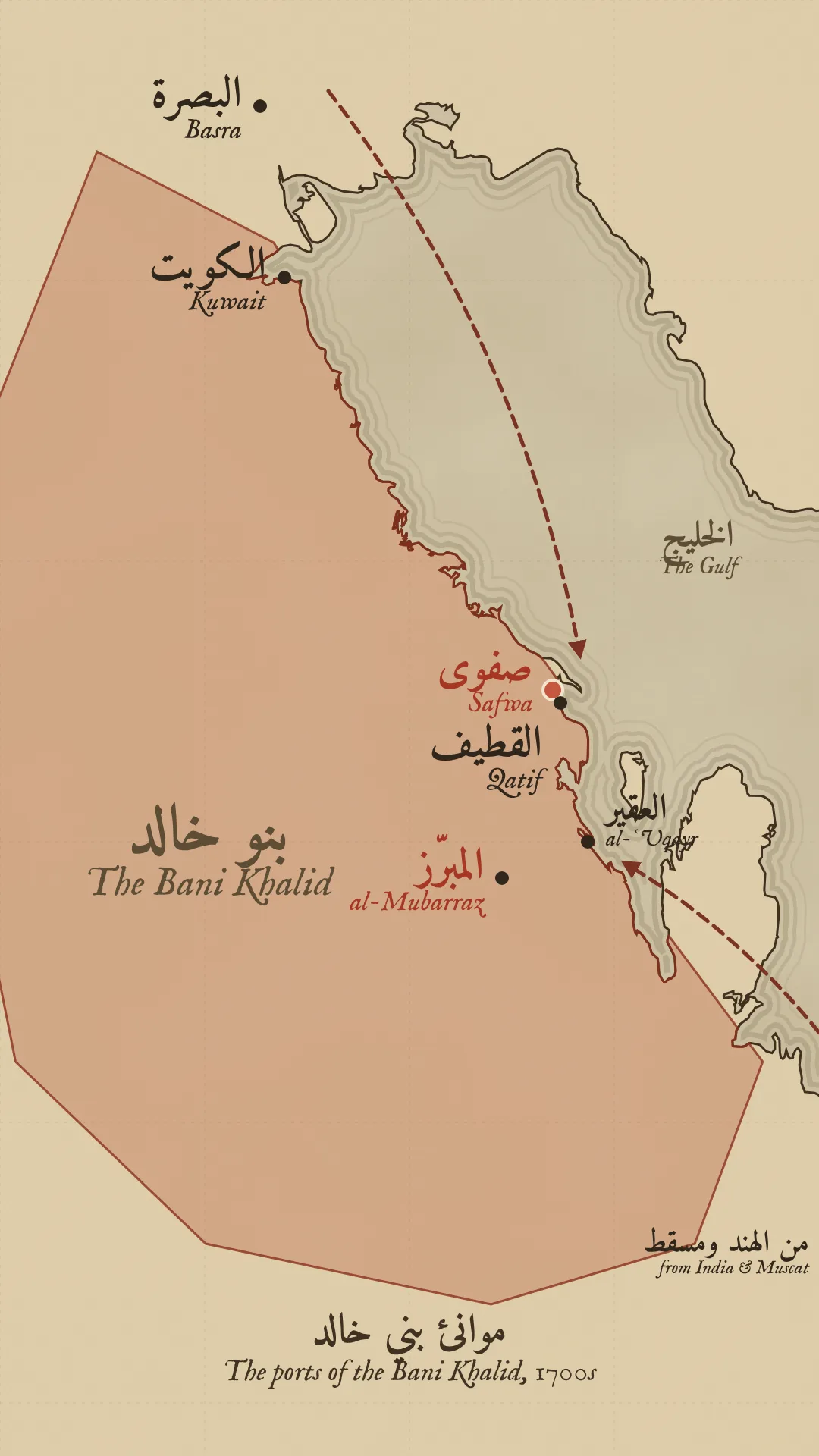 بنو خالدحلف قبلي حكم شرق الجزيرة العربية من الأحساء قرابة قرن ونصف.
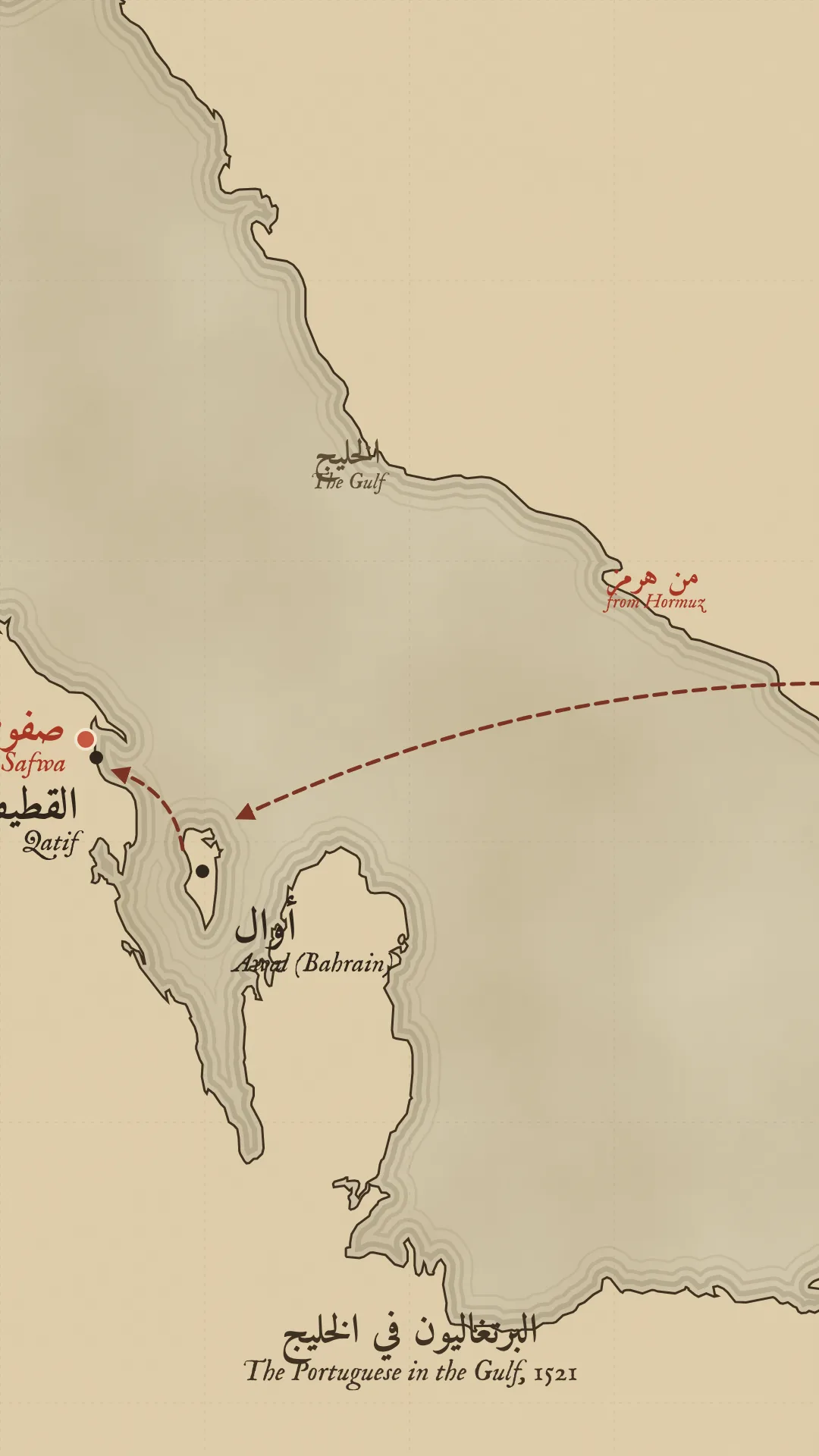 البرتغاليون والعثمانيونقرن من التنافس على القطيف وسواحلها، ترك في صفوى الكوت وسورها.
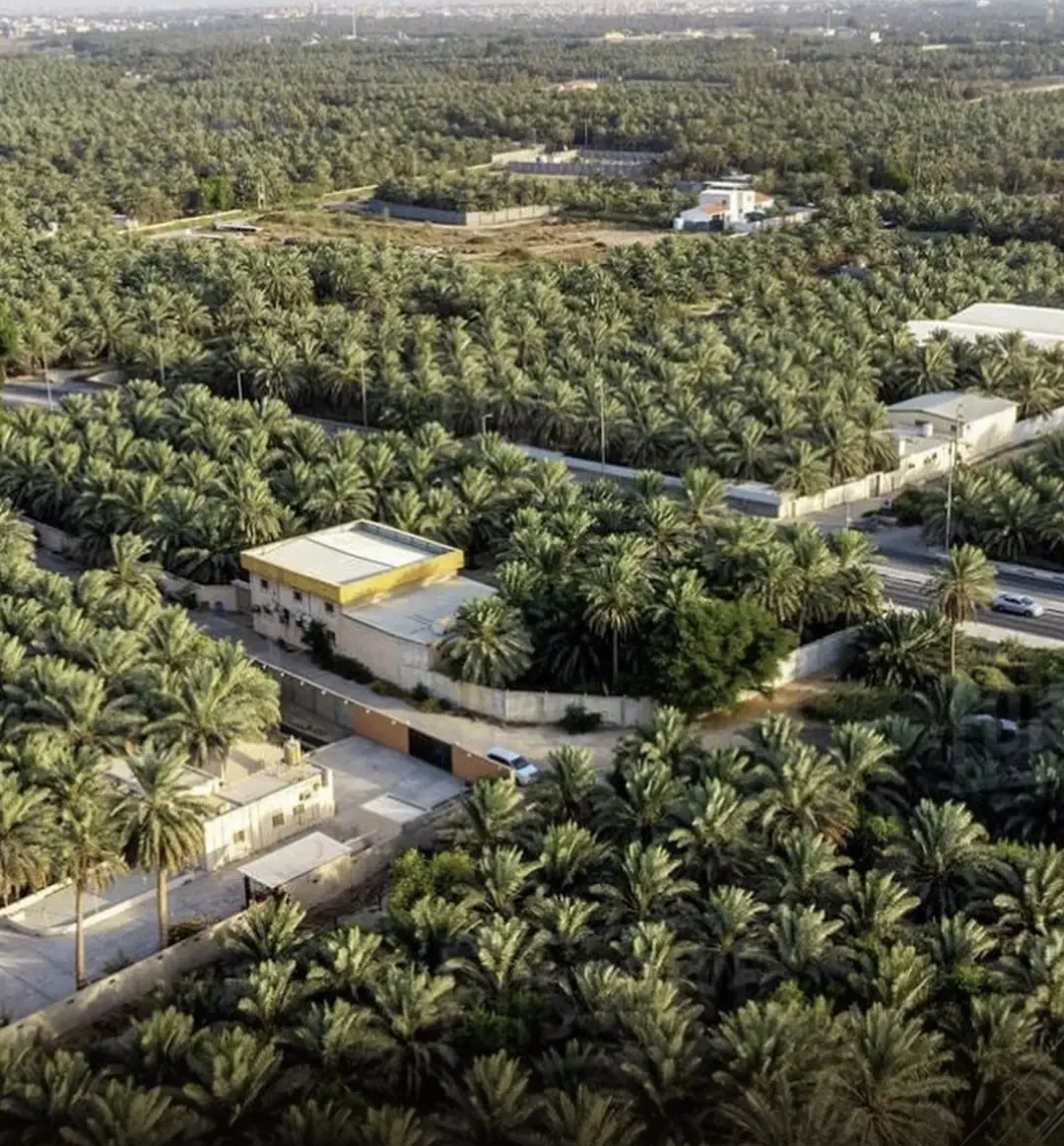 صفوى في القرن العشرينمن امتياز النفط إلى المدارس والطرق، وكيف تحوّلت البلدة المسوّرة إلى مدينة مفتوحة.