القبيلة العربية التي استوطنت إقليم البحرين قبل الإسلام.The Arab tribe that settled the region of al-Bahrayn before Islam.
عبد القيس قبيلة عربية استوطنت إقليم البحرين التاريخي، الذي ضمّ القطيف وصفوى والأحساء وأجزاء من ساحل الخليج، قبل الإسلام بقرون. وجاءت إليه على مراحل من موطنها الأول في تهامة. ومنها المنذر بن ساوى الذي دعاه النبي ﷺ إلى الإسلام نحو سنة 628م، والوفد الذي قدم المدينة بقيادة الأشجّ. وثبت أكثرها على الإسلام في حروب الردة.
قبل ظهور الإسلام بقرون، استوطنت قبيلة عبد القيس إقليم البحرين التاريخي، الذي يشمل القطيف وصفوى والأحساء وأجزاء من ساحل الخليج العربي. وكان استقرارها على مراحل، لا في سنة واحدة.
تذكر الروايات النسبية والأخبار العربية أن منازل عبد القيس الأولى كانت في تهامة، ثم ارتحلت شرقاً إلى إقليم البحرين. وتختلف الكتابات الحديثة في تحديد قرن الهجرة، ولا يوجد تاريخ متفق عليه.
ويضعها أحد الكتّاب المعاصرين في القرنين الرابع والخامس الميلاديين، بسبب النزاعات القبلية والحاجة إلى الموارد.
وتوزعت بطون القبيلة في أنحاء الإقليم، ومنها بطن نَكْرة بن لُكَيز، الذي تنسب إليه الروايات النزول في وسط القطيف وما حولها.
واسم البحرين في المصادر القديمة يُطلق على إقليم واسع في شرق الجزيرة العربية، لا على دولة البحرين الحالية.
ووجود عبد القيس في القطيف ومحيطها قبل الإسلام ثابت في الروايات، أما متى وصلت إلى صفوى نفسها، وهل كان سكانها الأوائل جميعاً منها، فلم يُعرف بعد.
في السنة السابعة للهجرة، نحو 628–629م، وفد وفدٌ من عبد القيس على النبي محمد في المدينة المنورة، بزعامة المنذر بن عائذ المعروف بالأشج، ومعه خمسة وعشرون رجلاً.
وفي رواية في مسند الإمام أحمد بن حنبل أن النبي رحّب بالأشج وسأله عن بلاده، وسمّى له قرية الصفا، ودعا لعبد القيس الذين أسلموا طائعين غير كارهين، ووصفهم بأنهم خير أهل المشرق.
ويرى كتّاب محليون أن قرية الصفا هذه هي صفوى الحالية؛ إذ يصف ياقوت الحموي لاحقاً الصفا بأنه نهر بالبحرين يتخلّج من عين محلّم، وهي العين التي عُرفت فيما بعد بعين داروش.
بعد وفاة النبي ﷺ سنة 632م، ارتدّت بعض قبائل البحرين عن دولة المدينة فيما عُرف بحروب الردة، وبلغ القتال ساحل الخطّ حيث تقع صفوى.
خريطة: حملة العلاء الحضرميخريطة رُسمت لصفوانيبيديا
تزعّم حركة الردة الحُطَم بن ضُبيعة، أخو بني قيس بن ثعلبة. وثبت أكثر عبد القيس على الإسلام بقيادة الجارود، فحوصروا في جُواثا، في الأحساء اليوم. وتُذكر جواثا بأنها شهدت ثاني جمعة صُلّيت في الإسلام بعد المدينة.
وأرسل الخليفة أبو بكر العلاءَ بن الحضرمي، ففكّ الحصار وهزم الحُطَم، ثم اتجه إلى الساحل. فبعث فرقة إلى دارين في جزيرة تاروت فاحتلّتها، وفرقاً أخرى حاصرت الزارة، قاعدة الإقليم قرب العوامية، على مقربة من صفوى.
استسلمت الزارة نحو سنة 634م، وصالح أهلها على ثلث أموال المدينة. وتذكر الروايات أن البراء بن مالك قتل مرزبان الزارة، حاكمها الفارسي، في مبارزة.
وبانتهاء الردة صار ساحل الخطّ، ساحل صفوى، جزءاً ثابتاً من الدولة الإسلامية.
5العشائر ومواطنها والأسواق
يذكر المسلم أن نفوذ القبائل السابقة في المنطقة تقلّص، وفني أكثر أهلها على يد الملك الساساني سابور ذي الأكتاف، فاستقرّ بنو عبد القيس فيها وسيطروا عليها، واقتسموها بين عشائرهم. فكانت منطقة الظهران لبني عامر بن عبد القيس، ومنطقة صفوى في الشمال لبني حفصة، وهكذا سائر العشائر، وسكن معهم أبناء عمومتهم من بكر بن وائل.
وازدهرت المنطقة في عهدهم قبل الإسلام وبعده، ونبغ فيها شعراء وخطباء، منهم طرفة بن العبد صاحب المعلّقة. وكانت تُقام فيها أسواق موسمية هي أشبه بمؤتمرات أدبية، منها سوق هجر وسوق المشقّر وسوق الزارة وسوق الجرعاء وسوق دارين، يحضرها الشعراء والأدباء.
ويُستفاد من البلاذري أن أغلب القبائل التي نزحت إلى المنطقة ظلّت تقيم في باديتها حتى ظهور الإسلام، بينما سكن مدنها خليط من الطوائف، منهم المجوس واليهود، وهم الحضر الذين كانت لهم ملكية الأرض.
6عبد القيس في «المفصّل»
ينقل جواد علي عن أهل الأخبار أن عبد القيس ارتحلت عن تهامة بسبب الحروب بين أبناء ربيعة، وأن الذي ساقها إلى البحرين هو عمرو بن الجعيد من بني شنّ بن أفصى، المعروف بالأفكل. فتغلّبت على من كان فيها قبلها من إياد وبكر بن وائل وتميم، واقتسمت الأرض بين بطونها: فنزلت جذيمة بن عوف الخطّ وأفناءها، ونزلت شنّ بن أفصى طرفها الأدنى إلى العراق، ونزلت نكرة بن لكيز القطيف وما حوله والشفار والظهران إلى الرمل وما بين هجر إلى قطر وبينونة، ونزلت عامر بن الحارث والعمور الجوف والعيون والأحساء، ودخلت بطون منها جوف عُمان فشاركت الأزد في بلادهم. وبقيت عبد القيس في هذه المواضع حتى ظهور الإسلام. ويُظنّ أن «أبوكايون» (Aboukaiun)، وهو اسم قبيلة وموضع في جغرافية بطليموس، هو عبد القيس.
وبعد حملة سابور الثاني في القرن الرابع، أجلى الملك الساساني، فيما يرويه جواد علي، بعض عشائر تغلب إلى البحرين، فأنزلها دارين، وتُسمّى أيضاً «هيج»، وأسكن عشائر أخرى منها الخطّ، ونقل قوماً من عبد القيس وتميم إلى هجر.
وكانت دارين والزارة من منازل عبد القيس، وفيهما رهبان وبِيَع. ويرى جواد علي أن النصرانية كانت منتشرة في القبيلة، وردت إليها من العراق، وأن عبد القيس كانوا أهل حضر بالقياس إلى أعراب البوادي، لهم اتصال بالعالم الخارجي، ونشر المبشّرون الكتابة بينهم.
وفي أواخر العهد الفارسي كان بريد كسرى يصل إلى البحرين، إلى المكعبر مرزبان الزارة، أي حاكمها الفارسي، وإلى المنذر بن ساوى. وفي حروب الردة نزل الحطم بن ضبيعة القطيف وهجر، واستمال الخطّ ومن فيها من الزطّ والسيابجة، وهم جماعات من أصول هندية. وتحصّن المكعبر، واسمه فيروز بن جشيش، في الزارة، وانضمّ إليه مجوس كانوا قد تجمّعوا في القطيف وامتنعوا عن أداء الجزية، فحاصرها العلاء بن الحضرمي وفتحها في أول خلافة عمر بن الخطاب.
The ʿAbd al-Qays are an Arab tribe that settled the historical region of al-Bahrayn, which included Qatif, Safwa, al-Ahsa and parts of the Gulf coast, centuries before Islam. They arrived in stages from their first home in Tihama. Among them was al-Mundhir ibn Sawa, whom the Prophet Muhammad invited to Islam around 628, and the delegation that travelled to Medina led by al-Ashajj. Most of the tribe held to Islam during the Ridda wars.
Centuries before Islam, the Arab tribe of ʿAbd al-Qays settled the historical region of al-Bahrayn, which included Qatif, Safwa, al-Ahsa and parts of the Gulf coast. They arrived in stages, not in a single year.
Arab genealogists record that the tribe's first home was in Tihama, in western Arabia, before it moved east. Modern writers disagree on the century of the move, and no date is agreed.
One recent account places it in the 4th–5th centuries AD, driven by tribal conflict and the need for resources.
Once settled, its clans spread across the region. One of them, the clan of Nakra ibn Lukayz, is said to have settled in and around central Qatif.
When old sources say “al-Bahrayn” they mean this wider region of eastern Arabia, not today's Kingdom of Bahrain.
The tribe's presence around Qatif before Islam is well recorded. When it first reached Safwa itself, and whether the town's first people were all of ʿAbd al-Qays, is not yet known.
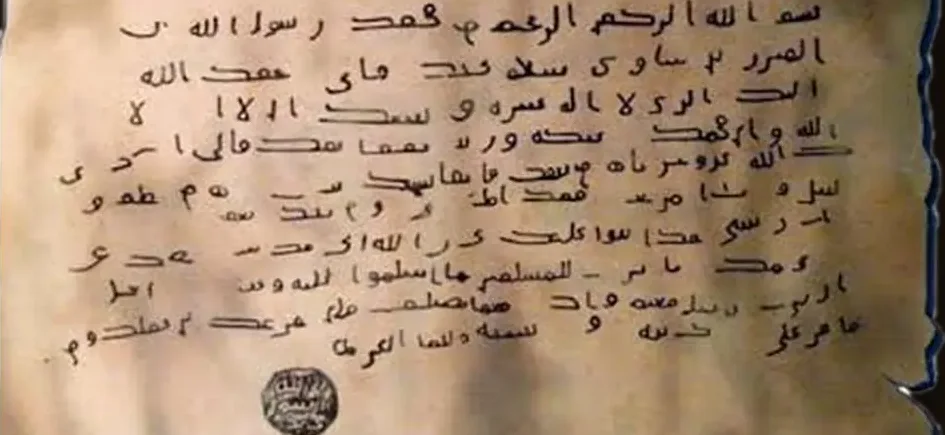
Around 628 the Prophet Muhammad sent al-ʿAlaʾ ibn al-Hadrami to al-Mundhir ibn Sawa al-ʿAbdi, inviting him to Islam.
A copy of the Prophet's letter to al-Mundhir ibn SawaA copy of the Prophet's letter to al-Mundhir ibn Sawa
Al-Mundhir, of the ʿAbd al-Qays, administered the region of al-Bahrayn under Sasanian Persian influence. The tribe was already well established and respected there.
The letter marks the coming of Islam to the region, which included Qatif and Safwa. It also shows how strong ʿAbd al-Qays had become in eastern Arabia.
The Prophet later appointed Aban ibn Saʿid ibn al-ʿAs governor of al-Bahrayn, a post he held until the Prophet's death.
The image here shows a copy of the letter, said to preserve the original. Historians still debate whether that original is authentic.
In the seventh year of the Hijra, about 628–629, a delegation of the ʿAbd al-Qays travelled to the Prophet Muhammad in Medina. It was led by al-Mundhir ibn ʿAʾidh, known as al-Ashajj, with twenty-five men.
According to a report in the Musnad of Ahmad ibn Hanbal, the Prophet welcomed al-Ashajj, asked him about his homeland and named the village of al-Safa. He prayed for the ʿAbd al-Qays, who had accepted Islam willingly, and called them the best of the people of the east.
Local writers identify this al-Safa with today's Safwa. Yaqut al-Hamawi later describes al-Safa as a river in al-Bahrayn branching from the spring of Muhallam, the spring later known as ʿAin Daroush.
After the death of the Prophet in 632, some tribes of al-Bahrayn broke away from the Muslim state in Medina, in the wars known as the Ridda. The fighting reached al-Khatt, the coast where Safwa lies.
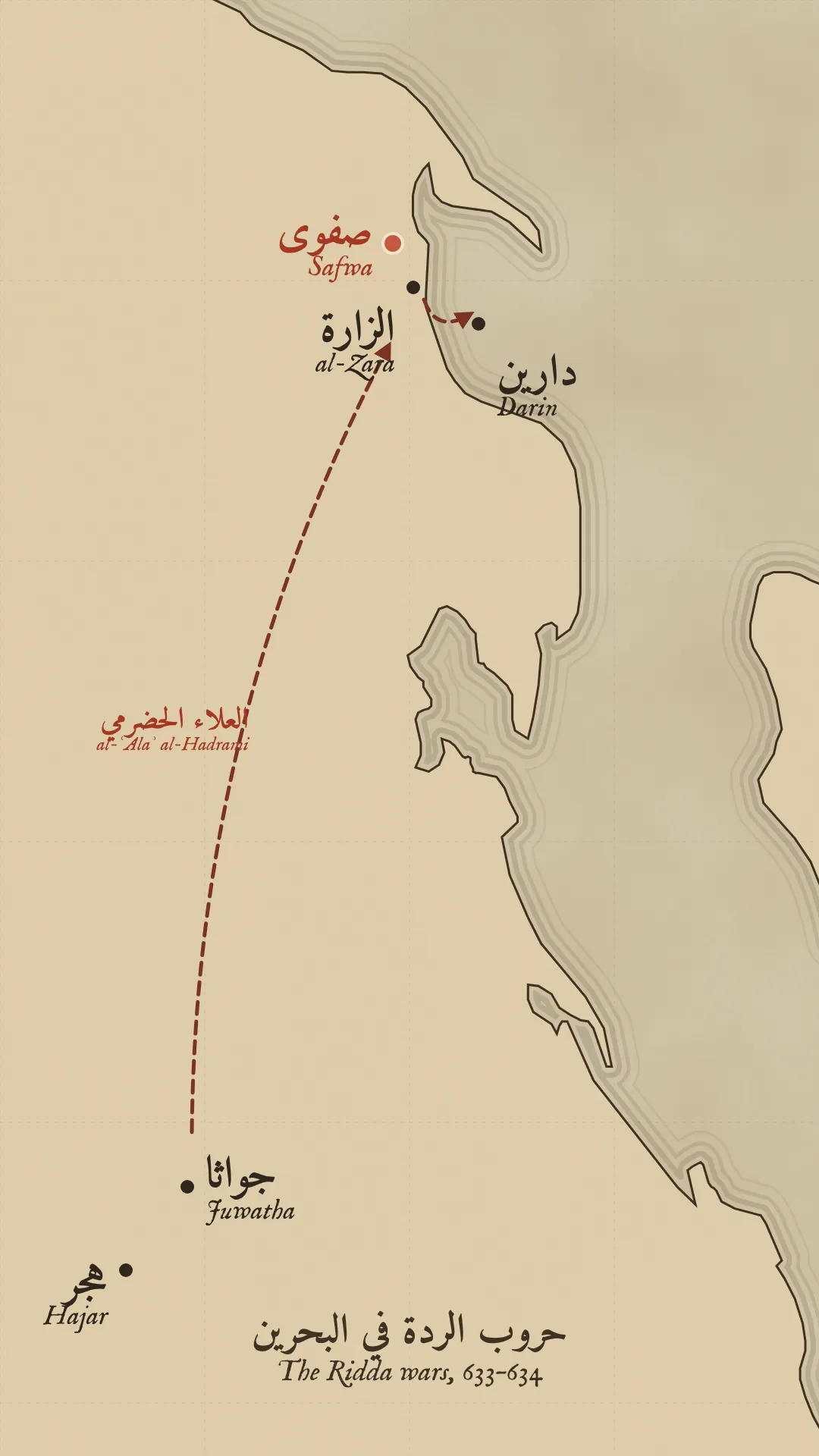
Map: the campaign of al-ʿAlaʾ al-Hadramimap drawn for Safwanipedia
The revolt was led by al-Hutam ibn Dubayʿa of the Banu Qays ibn Thaʿlaba. Most of the ʿAbd al-Qays, led by al-Jarud, held to Islam, and were besieged at Juwatha, in today's al-Ahsa. Juwatha is remembered for the second Friday prayer held in Islam, after Medina.
The caliph Abu Bakr sent al-ʿAlaʾ al-Hadrami. He broke the siege and defeated al-Hutam, then turned to the coast. One detachment took Darin, on Tarut island. Others besieged al-Zara, the regional capital near al-Awamiya, close to Safwa.
Al-Zara surrendered in about 634, and its people made peace on a third of the town's wealth. Accounts say that the Muslim commander al-Baraʾ ibn Malik killed al-Zara's Persian governor, its marzban, in single combat.
With the Ridda over, the coast of al-Khatt, Safwa's coast, was firmly part of the Muslim state.
5Clans, lands and markets
Al-Muslim relates that the power of the region's earlier tribes waned, and most of them perished at the hands of the Sasanian king Shapur II. The ʿAbd al-Qays then settled the land, took control of it and divided it among their clans. The Dhahran area went to the Banu ʿAmir ibn ʿAbd al-Qays, and the Safwa area in the north to the Banu Hafsa, and so on for the other clans; their cousins of Bakr ibn Waʾil lived among them.
The region flourished under them before and after Islam and produced poets and orators, among them Tarafa ibn al-ʿAbd, author of one of the famous Muʿallaqat. Seasonal markets were held there that were also literary gatherings, among them the markets of Hajar, al-Mushaqqar, al-Zara, al-Jarʿaʾ and Darin, attended by poets and men of letters.
From al-Baladhuri it appears that most of the tribes that moved into the region still lived in its open country when Islam arose, while its towns were home to a mix of communities, among them Magians and Jews, the settled people who owned the land.
6The ʿAbd al-Qays in al-Mufassal
Jawad ʿAli relates from the early historians that the ʿAbd al-Qays left Tihama because of wars among the sons of Rabiʿa, and that the man who led them to al-Bahrayn was ʿAmr ibn al-Juʿayd of the Banu Shann ibn Afsa, known as al-Afkal. They overcame the Iyad, Bakr ibn Waʾil and Tamim who lived there before them and shared out the land among their clans. Jadhima ibn ʿAwf took al-Khatt and its open country; Shann ibn Afsa the end nearest Iraq; Nukra ibn Lukayz Qatif and its surroundings, with al-Shifar and al-Dhahran as far as the sands and the land between Hajar, Qatar and Baynuna; and ʿAmir ibn al-Harith and al-ʿUmur al-Jawf, al-ʿUyun and al-Ahsa. Some clans went on into inland Oman and shared it with the Azd. The ʿAbd al-Qays still held these lands when Islam appeared. “Aboukaiun”, a tribe and place in Ptolemy's Geography, is thought to be the ʿAbd al-Qays.
After Shapur II's campaign in the 4th century, Jawad ʿAli writes, the Sasanian king moved some clans of the Taghlib tribe to al-Bahrayn, settling them at Darin, also called Hayj, and others in al-Khatt, and moved people of ʿAbd al-Qays and Tamim to Hajar.
Darin and al-Zara were among the homes of ʿAbd al-Qays, and both had monks and churches. In Jawad ʿAli's view, Christianity was widespread in the tribe and had reached it from Iraq; compared with the Bedouin of the desert, the ʿAbd al-Qays were a settled people with ties to the wider world, and missionaries spread writing among them.
In the last years of Persian rule, the Persian king's post reached al-Bahrayn to al-Mukaʿbir, the marzban of al-Zara, its Persian governor, and to al-Mundhir ibn Sawa. In the Ridda wars, al-Hutam ibn Dubayʿa came down on Qatif and Hajar and won over al-Khatt with the Zutt and Sayabija living there, communities of Indian origin. Al-Mukaʿbir, whose name was Firuz son of Jushaysh, held out at al-Zara, joined by Magians (Zoroastrians) who had gathered in Qatif and refused to pay the jizya tax. Al-ʿAlaʾ al-Hadrami besieged the town and took it at the start of the caliphate of ʿUmar ibn al-Khattab.

 شعوب ما قبل الميلادأهل دلمون والجرهائيون وقبيلة شذب: من سكن ساحل صفوى قبل الميلاد.
 اسم صفوىالصفا، وصفوان، وصفواء: كيف ورد اسم البلدة في الشعر والمعاجم.
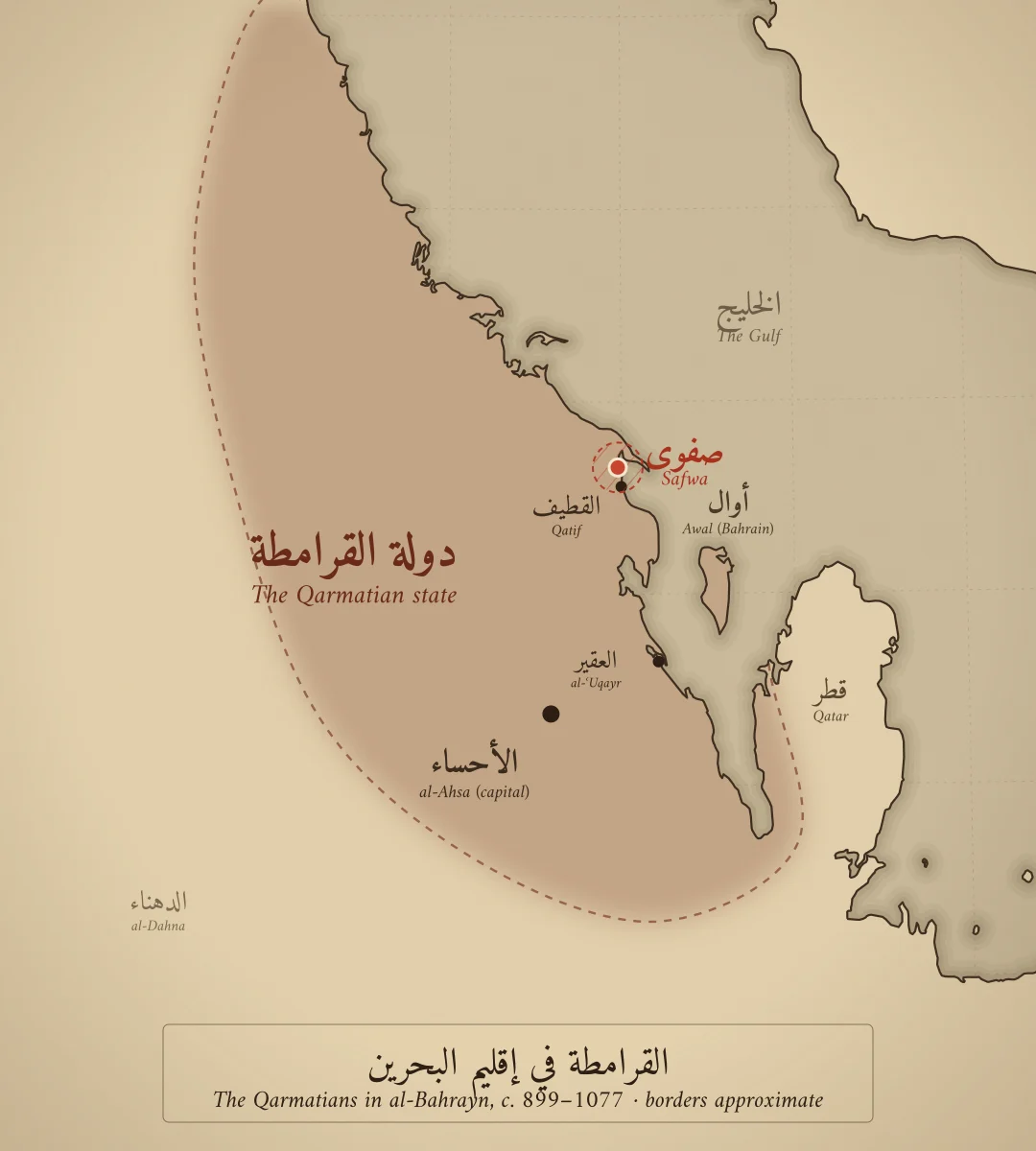 القرامطةدولة حكمت شرق الجزيرة العربية، ومنها القطيف، قرابة قرنين.
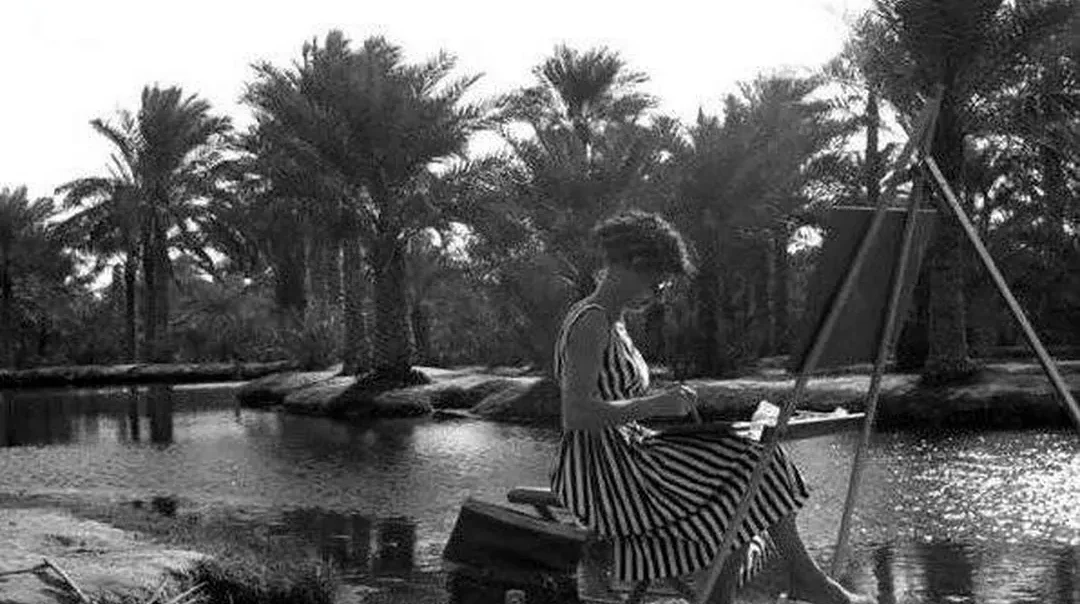 عين داروشعين صفوى الكبرى، سقت نخيل البلدة آلاف السنين.
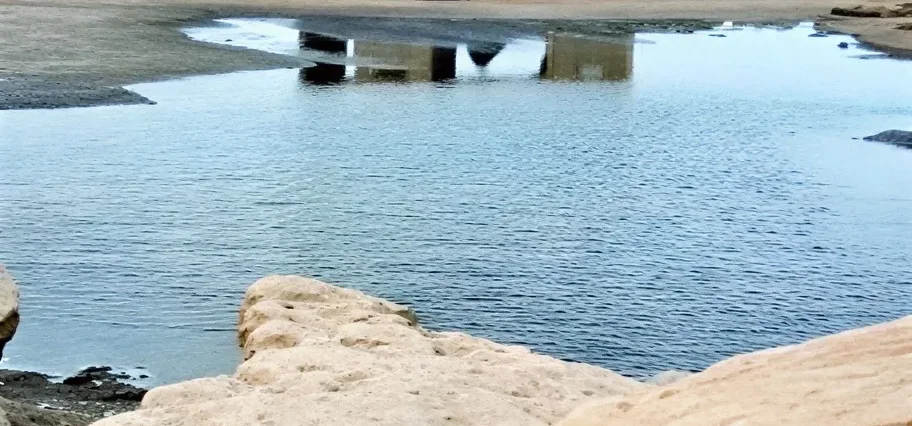 التجارة والحِرفمن قوافل الجرهاء وأسواق العرب إلى التمر والسلوق، وحِرف الواحة قبل النفط.
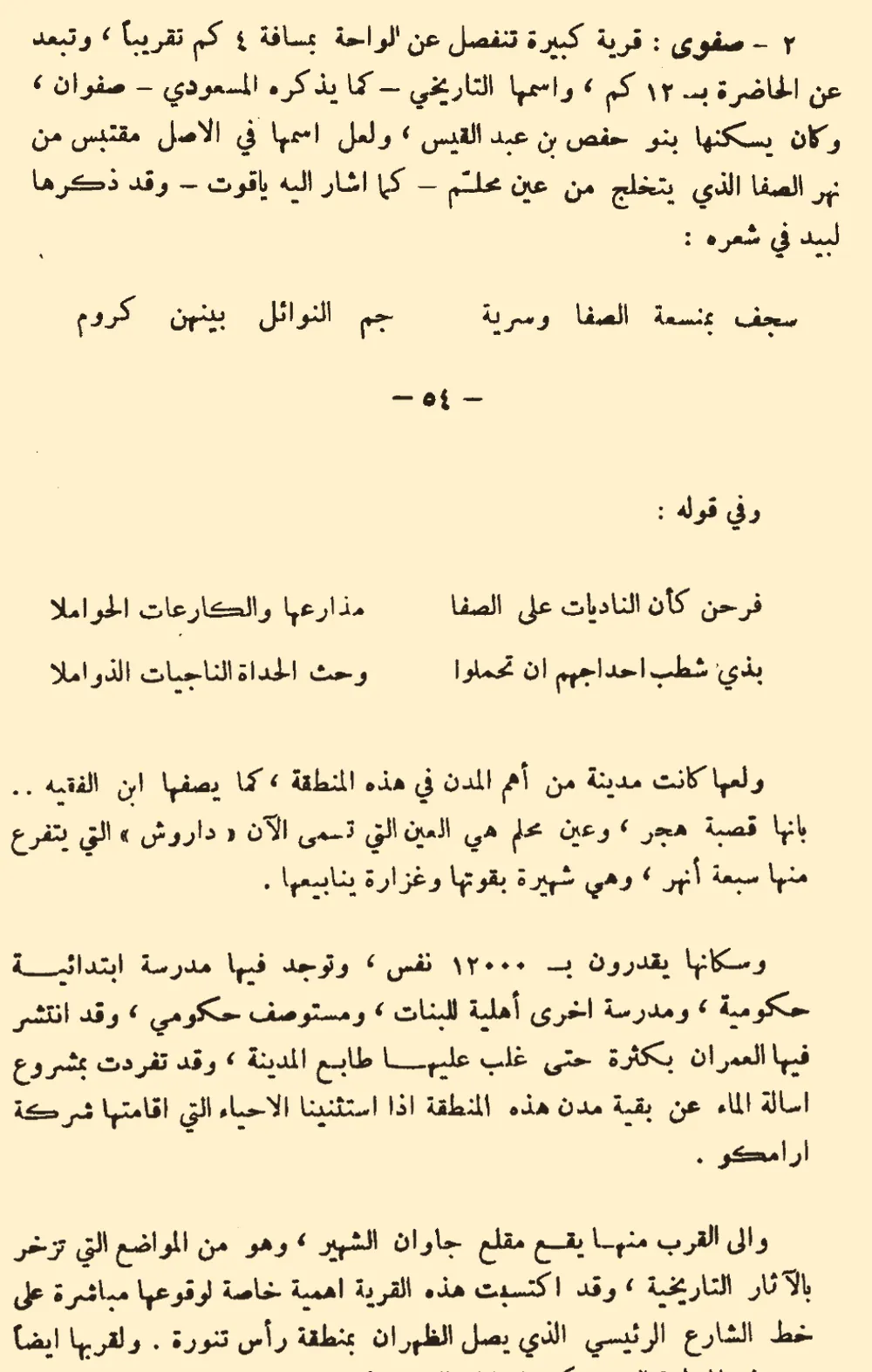 لهجات صفوى وما حولها«يبل» و«يمل»: لهجة صفوى وأخواتها في واحة القطيف، وجذورها في لهجات العرب القديمة.