موقع أثري شمال صفوى، سُكن قرابة ألف عام.An ancient site north of Safwa, lived in for close to a thousand years.
جاوان موقع أثري على بعد نحو 6 كيلومترات شمال صفوى، قرب الطرف الشمالي الغربي لخليج تاروت. سُكن قرابة ألف عام، من قبل القرن الرابع قبل الميلاد إلى القرن السادس الميلادي، وتبلغ مساحته نحو 200 هكتار، وارتبط بتجارة شرق الجزيرة العربية. وكشف عمّال أرامكو عن مبانيه سنة 1945م وهم يأخذون من رماله لردم ميناء رأس تنورة، فبدأ التنقيب فيه في العام نفسه، ومن أشهر ما وُجد فيه مقبرة جاوان.
على بُعد نحو 6 كيلومترات شمال صفوى، عند الركن الشمالي الغربي لخليج تاروت، استوطن الناس موقع جاوان، وظلّ الموقع مأهولاً قرابة ألف عام.
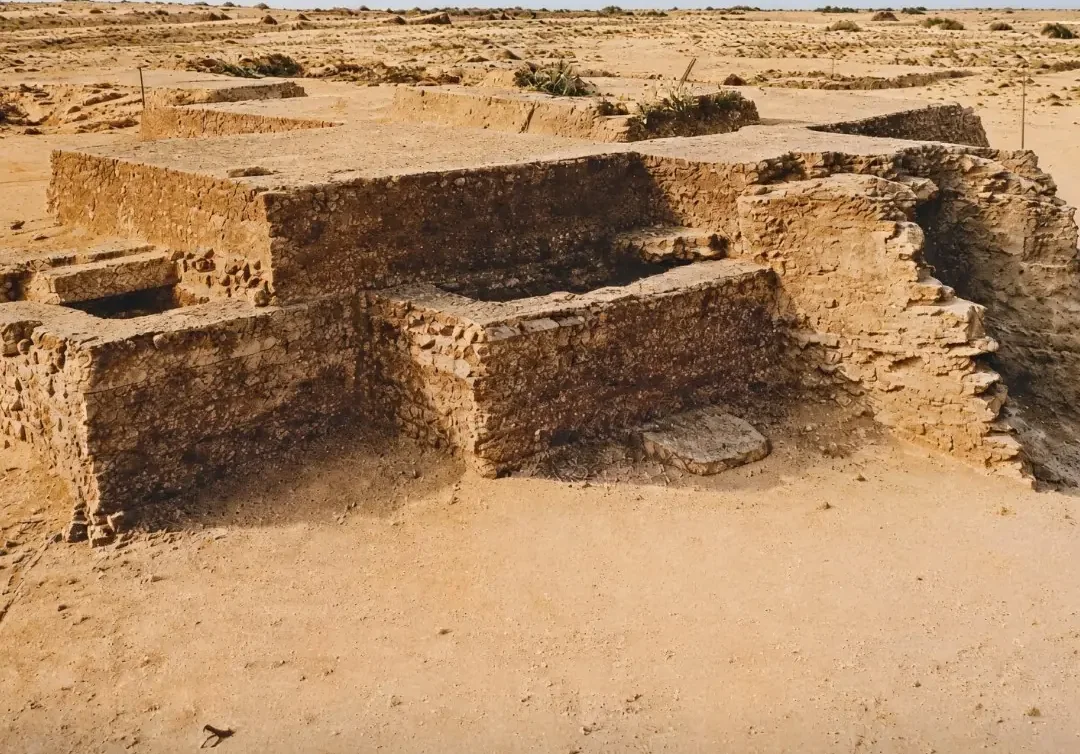
الاستيطان في جاوانأطلال جاوان
عثر الأثريون فيه على سبع طبقات أثرية تعود إلى ثلاث مراحل استيطان، أقدمها يسبق القرن الرابع قبل الميلاد، والأحدث تضمّ مباني من العصور الهلنستية والرومانية والبيزنطية. وتبلغ مساحة الموقع نحو 200 هكتار، وكان مرتبطاً بتجارة شرق الجزيرة العربية.
ومن المكتشفات جدران من الحجر الجيري مكسوّة بالجصّ الأبيض، ومجموعة من القبور الصغيرة، وفخّار محلي متميّز، وحجر منقوش بخط المسند الجنوبي على قبر امرأة اسمها جشم بنت عمرة بن تحيو، من آل عور من قبيلة شدب.
ويرى بعض الباحثين أن جاوان هي «بلبانة» الواردة على خريطة بطليموس القديمة، وتُعرف أيضاً باسم «الجونين» أو «الجونان».
ويستحضر الشاعر الأموي جرير «الجونين» لاحقاً بين أيام العرب المشهورة:
ألم تشهدِ الجونَينِ والشِّعبَ ذا الصفاوكرّاتِ قيسٍ يومَ ديرِ الجماجمِ
وتذهب موسوعة المعرفة إلى أن «الجونين» في هذا البيت هي جاوان.
بدأ التنقيب في جاوان، على بُعد نحو 6 كيلومترات شمال صفوى. وكانت أرامكو تستخدم الموقع مَحجراً لردم ساحل ميناء رأس تنورة، فكشف عمّالها عن مبانٍ ومقتنيات مطمورة تحت الرمال.
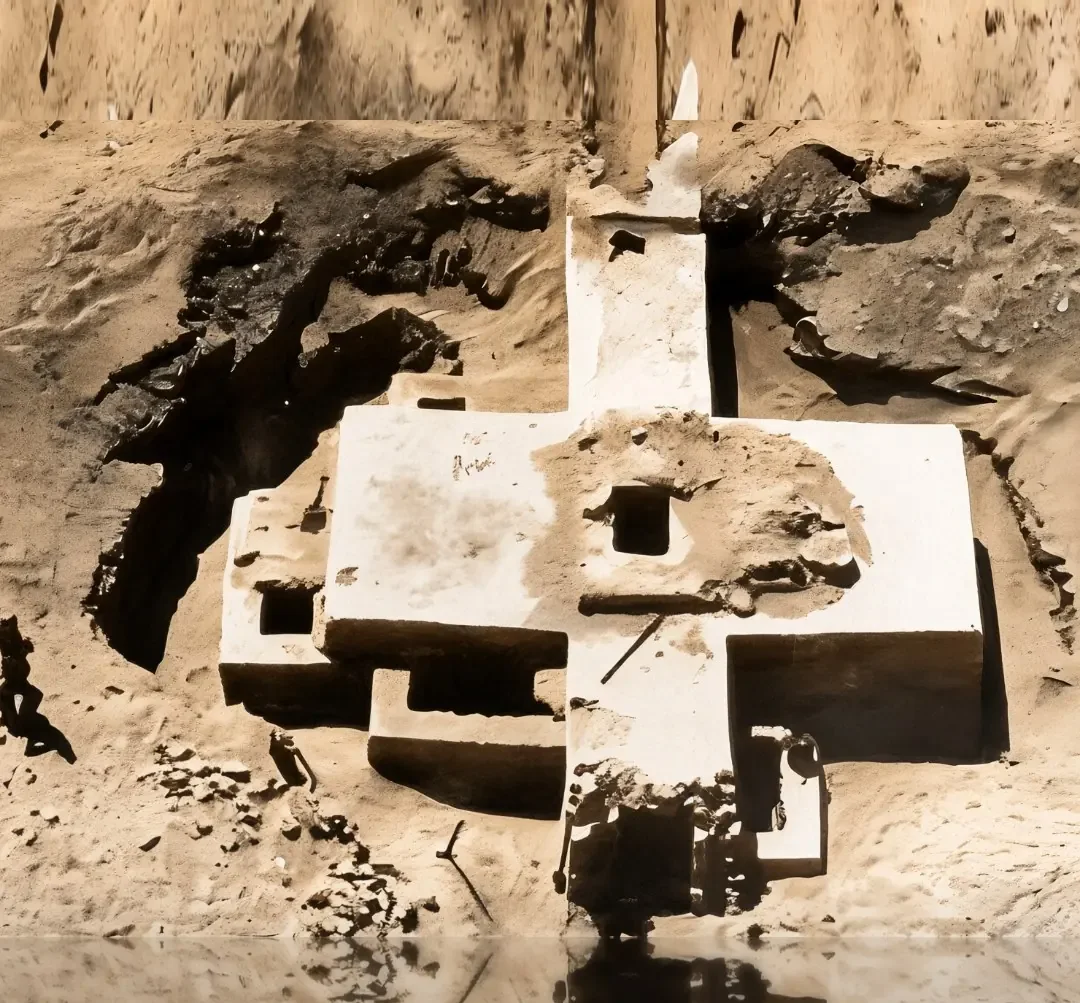
الكشف عن جاوانضريح جاوان أثناء التنقيب
وفي الخمسينيات استقدمت أرامكو عالم الآثار فردريك شمد فيدال، واستمرّت تنقيباته 22 شهراً، وكشف عمّا يُعرف اليوم بضريح جاوان: ضريح من الحجر الجيري، فيه قاعة وسطى كبيرة تحيط بها خمس غرف، بُني لستة مدافن. وعُثر فيه على بقايا متناثرة لنحو تسعين هيكلاً عظمياً، وكِسَر من الفخّار والزجاج، وسكين برونزية صغيرة، وخرز من الزجاج والحجر.
ويصف موقع «المعرفة» تنقيب عام 1945م هذا بأنه أول تنقيب أثري حديث في الجزيرة العربية.
وفي ربيع عام 1959م زار الكاتب المحلي أحمد مكي الغانم المدفن مع رفاق له، والتقى عنده بأحد الأميركيين العاملين في أرامكو. وعرف منه أن أرامكو اقتلعت الحجر الذي كُتب عليه تاريخ بناء المدفن، وكان قرب الزاوية الداخلية في الركن الشمالي الغربي. ورأى الغانم المدفن على هيئة الصليب، وعلى جانبيه الشمالي والجنوبي مدافن صغيرة. وذكر الأميركي أنه عُثر على ذهب مع الجثث في المدافن الشمالية، مما يشير إلى احتمال كونها قبور نساء، وعلى سلاح في المدافن الجنوبية، مما قد يشير إلى كونها قبور رجال.
وقد عُثر على الضريح نفسه مصادفةً في 22 مارس 1952م، أثناء إزالة أرامكو إحدى المرتفعات الصخرية في الموقع. وقدّر فيدال زمنه بنحو عام 100م، مع احتمال إرجاعه إلى النصف الثاني من القرن الأول أو النصف الأول من القرن الثاني الميلادي. وفي عام 1954م قدّم تقريراً من ثماني صفحات عن أهم نتائج التنقيب، مشفوعاً بالنفائس المستخرجة، إلى الأمير سعود بن عبدالله بن جلوي، أمير المنطقة الشرقية آنذاك. وتُعرض قطع ذهبية من الضريح في المتحف الوطني بالرياض.
وتُظهر الصورة هنا الضريح المكتشف من الأعلى، بقاعته الوسطى والغرف المحيطة بها.
Jawan is an ancient site about 6 km north of Safwa, near the north-west corner of Tarut Bay. It was lived in for close to a thousand years, from before the 4th century BC into the 6th century AD, covers about 200 hectares, and was linked to the trade of eastern Arabia. Aramco workers uncovered its buildings in 1945 while quarrying the site for fill at the port of Ras Tanura, and excavation began that year. Its best-known find is the Jawan Tomb.
About 6 km north of Safwa, near the north-west corner of Tarut Bay, people settled at Jawan. The site stayed inhabited for close to a thousand years.
The settlement at JawanRuins at Jawan
Archaeologists have found seven layers of remains from three phases of settlement. The earliest is older than the 4th century BC; the later ones include buildings from the Hellenistic, Roman and Byzantine eras. The site covers about 200 hectares, and was linked to the trade of eastern Arabia.
Among the finds are limestone walls coated in white plaster, small graves, a distinctive local pottery, and a stone inscribed in the ancient South Arabian musnad script marking the tomb of a woman named Jasham bint ʿAmra bin Tahyu, of the Al ʿAwr clan of the Shadab tribe.
Some researchers identify Jawan with “Bilbana”, a place marked on the ancient map of Ptolemy. It is also known as al-Jawnain or al-Jawnan.
The Umayyad poet Jarir later recalls al-Jawnayn in a list of famous battle days:
ألم تشهدِ الجونَينِ والشِّعبَ ذا الصفاوكرّاتِ قيسٍ يومَ ديرِ الجماجمِ
“Did you not witness al-Jawnayn, and the pass by al-Safa, and the charges of Qays on the day of Dayr al-Jamajim?”
The Arabic encyclopaedia Marefa identifies the al-Jawnayn of this verse with Jawan.
Excavation began at Jawan, about 6 km north of Safwa. Aramco had been quarrying the site for fill at the port of Ras Tanura, and its workers had uncovered buildings and objects buried under the sand.
The uncovering of JawanThe Jawan Tomb during excavation
In the 1950s Aramco brought in the archaeologist Frederick S. Vidal, whose excavations lasted 22 months. He found what is now called the Jawan Tomb: a limestone tomb with a large central hall surrounded by five rooms, built for six burials. Inside were the scattered remains of some ninety skeletons, pottery and glass fragments, a small bronze knife, and glass and stone beads.
The Arabic encyclopaedia Marefa describes this 1945 dig as the first modern archaeological excavation in the Arabian Peninsula.
In spring 1959 the local writer Ahmad Makki al-Ghanim visited the tomb with friends and met an American Aramco employee at the site. He learned that Aramco had removed the stone carved with the date the tomb was built, which had stood near its inner north-west corner. He saw the tomb as cross-shaped, with small graves on its north and south sides. The American told him that gold had been found with the bodies in the northern graves, which may mean they were women's, and weapons in the southern ones, which may mean they were men's.
The tomb itself was found by chance on 22 March 1952, as Aramco cleared one of the rocky mounds at the site. Vidal dated it to about AD 100, possibly the second half of the 1st century or the first half of the 2nd. In 1954 he presented an eight-page report on the main results, together with the finest objects found, to Prince Saud ibn ʿAbdullah ibn Jiluwi, then Emir of the Eastern Province. Gold pieces from the tomb are shown at the National Museum in Riyadh.
The photograph here looks down on the excavated tomb, with its central hall and the rooms around it.
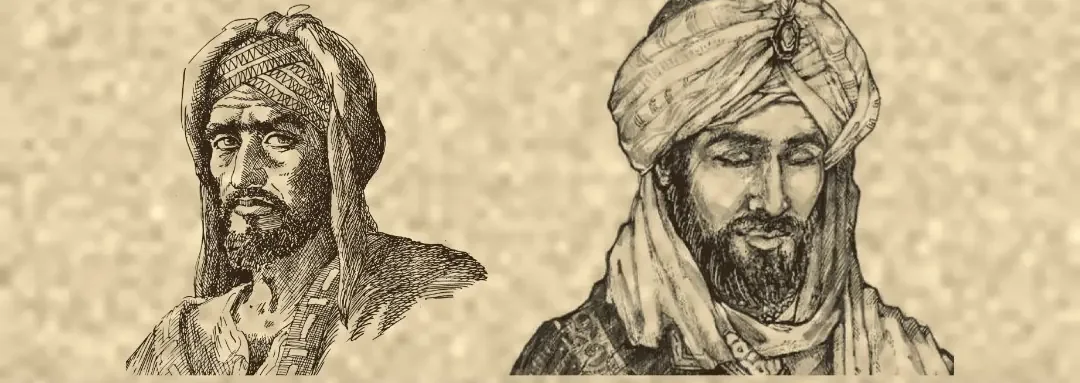
 شعوب ما قبل الميلادأهل دلمون والجرهائيون وقبيلة شذب: من سكن ساحل صفوى قبل الميلاد.
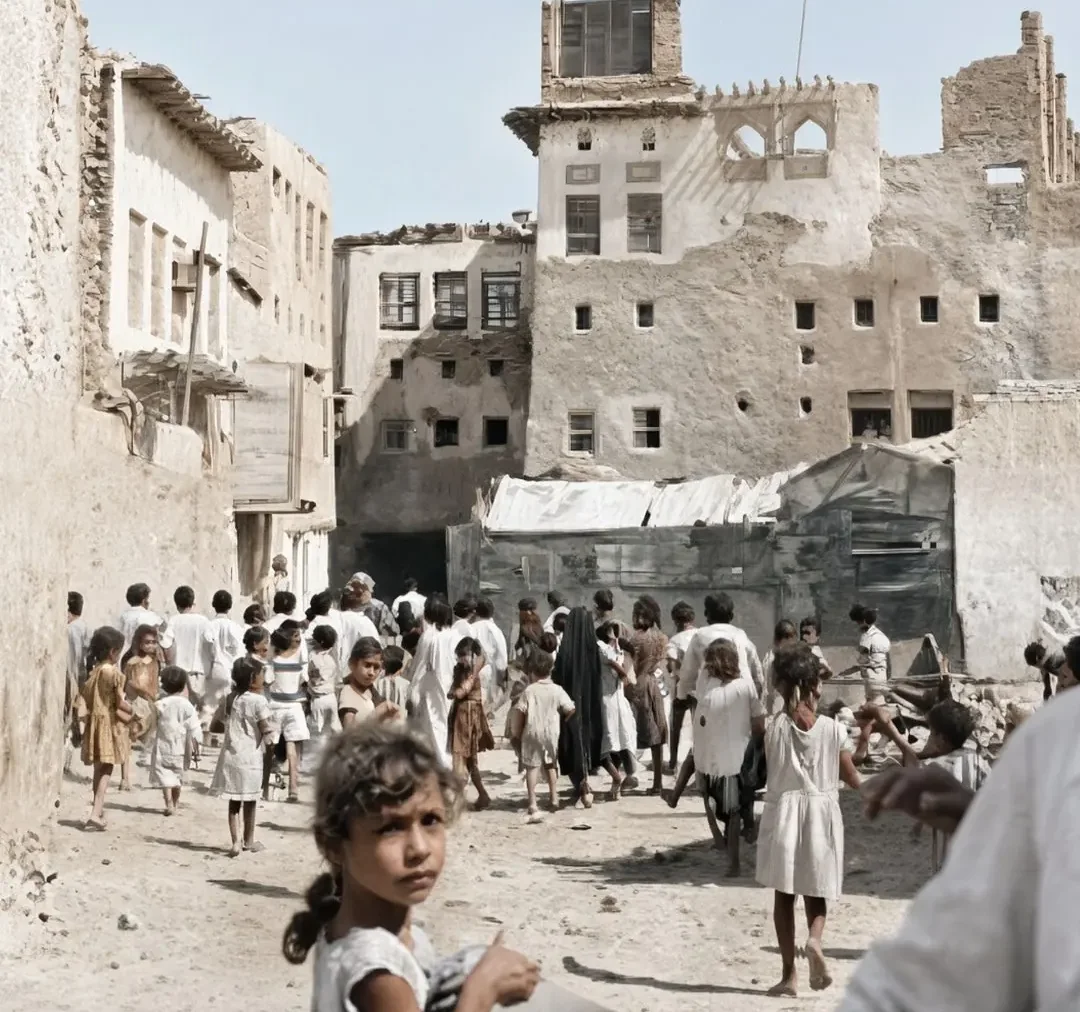 الديرة، البلدة المسوّرةقلب صفوى القديم: سورها وأبوابها وكوتها ومسجدها الجامع، حتى أُزيلت سنة 1989م.
 اسم صفوىالصفا، وصفوان، وصفواء: كيف ورد اسم البلدة في الشعر والمعاجم.
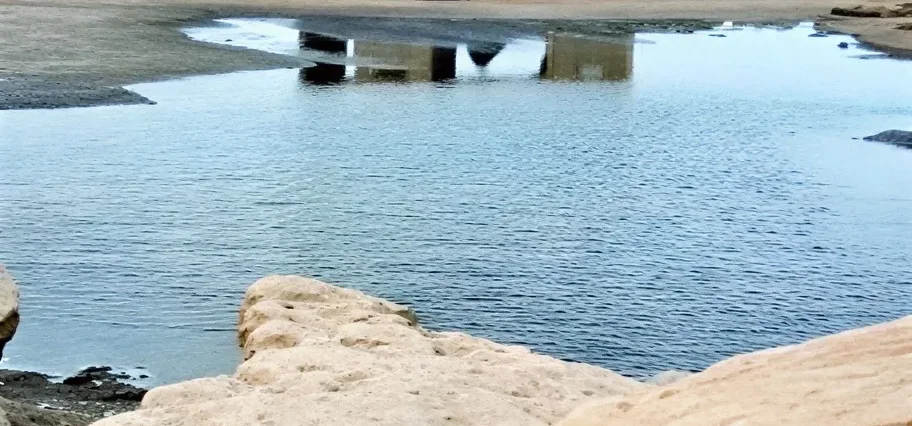 ميناء صفوى وساحلهاالفرضة والجمرك، وحظور الصيد، وغابة القُرم، وطيور الساحل.