الفرضة والجمرك، وحظور الصيد، وغابة القُرم، وطيور الساحل.The port and customs house, the fish traps, the mangrove forest and the birds of the shore.
يطلّ ساحل صفوى على خليج صغير ضحل كثيف بالقُرم الرمادي. وعلى هذا الخليج قام ميناء البلدة وجمركها، الذي يظهر في السجلات العثمانية نحو سنة 1558م. وامتدت على ضحاضيحه أجيالاً حظور الصيد من سيهات جنوباً إلى صفوى وجاوان شمالاً. وتمتد اليوم على شاطئها غابة قُرم طولها نحو 7 كيلومترات، وتعيش فيها البلشونات والطيور المائية.
يرد ميناء صفوى وجمركها في السجلات العثمانية؛ ففي نحو عام 1558م بلغت الضرائب التي جنتها الدولة العثمانية من الميناء 1100 آقجة، والآقجة عملة فضية تركية.
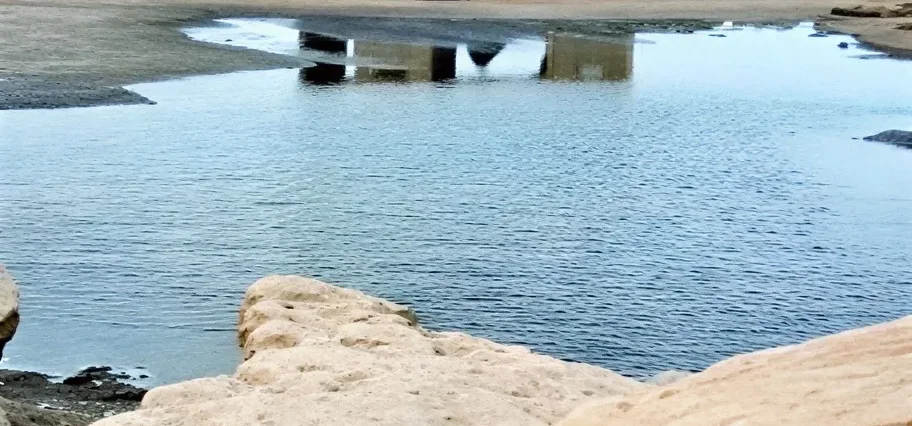
مبنى الجمرك القديم في ميناء صفوىأحمد المسري – مبنى ميناء صفوى
ويرى الباحث في التراث ياسر آل خميس أن الجمرك أقدم من هذا السجل، وربما أُنشئ مع بداية العهد العثماني في المنطقة نحو نحو عام 1552م. وتذكر بعض الكتب المحلية أن نشأته كانت نحو عام 1924–1925م، وقد يكون ذلك تاريخ تجديده.
ويقع الميناء شرق صفوى على خليجها، في منطقة تُعرف بـ«العلي». وكان الخليج صغيراً شديد الضحالة، يكثر فيه نبات الشورى، ويتبدّل منسوب مياهه كثيراً بين أول الشهر ووسطه وآخره، حتى إن موضعاً تبلغه المراكب قد ينحسر عنه الماء في اليوم التالي. فلم يكن يرسو فيه إلا ربّان خبير بالخليج ومياهه.
وكان الجمرك يأخذ الرسوم على البضائع الواردة، وأكثرها من دول الخليج، ولا سيما البحرين. وكان يتولاه شخص يُعرف بـ«ضامن الجمرك»، يقدّر البضائع ويحدّد رسومها. وكان الجمرك يصدر كذلك تصاريح السفر للبحارة والمسافرين، تُدوَّن فيها أسماؤهم ووجهاتهم وما يحمله المركب من تمر ودبس وسعف وغيرها.
وكانت القرصنة تنشط على هذا الساحل، فأنشأت الدولة العثمانية نحو عام 1886–1887م قاعدة عسكرية صغيرة في رأس تنورة لمكافحتها، فتوقفت القرصنة إلى حين.
وتوقف العمل بالجمرك بعد أن تولّت جهات حكومية مهمته. ولا يزال سوره المربع قائماً، بطول نحو 60 متراً وعرض مثله، وإلى غربه مبنى صغير من ثلاث غرف، مساحته نحو 5 × 8 أمتار، كان مقرّاً لمقدّر الواردات.
وهو المبنى الوحيد الباقي من مباني الموانئ القديمة في القطيف. ويدل حديد الخرسانة فيه على أنه أعيد بناؤه قبل عشرات السنين، ثم أُهمل، وتغمره مياه البحر اليوم عند المد.
وتُظهر الصورة هنا مبنى الميناء القديم، وقد تجمّعت أمامه مياه البحر.
ظلّت السواحل الضحلة الممتدة من سيهات جنوباً حتى صفوى وجاوان شمالاً، أجيالاً متعاقبة، مزروعة بالحظور: مصائد مدّ وجزر تُبنى قرب الشاطئ من الجريد والقصب والحبال وجذوع الشجر، ثم من شباك الحديد أو الغزل القطني القديم. والحظرة دائرة تقريبية قطرها نحو ستة أبواع، لها مدخل على شكل رقم 7 يكاد رأسه يبلغ وسطها، وهو «السرّ».
ففي السقي يدخلها الماء ومعه الأسماك والربيان، وعند الثبر ينحسر الماء فيحبسها التيار في داخلها. ثم يدخلها البوّار، مالكاً كان أو مستأجراً أو أجيراً، فيجمع «البارة» في المرحلة، ويحملها القاري الذي يجرّه الحمار إلى البر. وكانت معظم الحظور تتجه مداخلها غرباً نحو البر.
وكانت حظور أهالي صفوى تبدأ من الدام الشمالي لخور الرهسة، وتمتد على الساحل حتى بساتين صفوى المتاخمة للبحر. ومجموعة أخرى في الجهة الغربية تلتف حول منطقة جاوان، حيث تختلف اتجاهات الساحل فتختلف معها اتجاهات المداخل.
وأبعد شمالاً، أقام أهالي صفوى حظوراً على سِيف رحيمة الضحل شمال غرب رأس تنورة، وقد عمّروها وزرعوها واصطادوا فيها منذ زمن. فكانت الحظور على أطراف هيرَي أم ارحيم والحدّية، وأكبر تجمّع لها يُعرف بحظور ناصر. وكان ملّاكها من صفوى والقطيف وتاروت. فللسيد حسين العوامي أسهم في حظور أم ارحيم والحدّية. وكان لرجلين من صفوى يحملان الاسم نفسه، أحمد بن علي الصادق، ولا قرابة بينهما، حظور هناك: أحدهما قرب الرويس، والآخر له حظرتان شرق الخريص وفي الخيران، حيث كان له عريش يقيم فيه أيام العمل في الشتاء.
وكان أهالي صفوى يصطادون أيضاً في شواطئهم بزوارق صيد صغيرة لا يزيد طولها على أربعة أمتار تقريباً، تُعرف بالكوتيات. وصناعة السفن الخشبية حرفة «القلّافين»، وقد ازدهرت مع الغوص على اللؤلؤ، ثم تراجعت وانحسرت بعد ظهور اللؤلؤ الصناعي نحو عام 1930م، فتوجّه معظم القلافين إلى النجارة وصناعة الأبواب والشبابيك التقليدية، وتنقّلوا للعمل بين القطيف وصفوى والجبيل.
والحظرة ملك لأصحابها بأوراق قديمة سبقت نظام الصكوك، تُباع وتُشترى وتؤجَّر. وأجرتها «الريع»، وكانت تُدفع غالباً من الصيد نفسه، كومة من السمك أو الربيان تُسمّى «الطبرة»، وكثيراً ما كانت تُعرض للمزايدة في ليالي رمضان. ومن الحظور ما كان وقفاً على مسجد أو مجلس أو لأعمال الخير.
ولم تكن الحظور وحدها طريقة الصيد على الساحل. فكان «الحدّاق» يصطادون بالمجدار والصنارة من الشاطئ، وفي الليالي المظلمة يخوض الصيادون الماء الضحل بالسراج، فيحبسون السمكة تحت شبكة على هيئة نصف قرقور ويلتقطونها بأيديهم، وهو «صيد القمبار»، أو يطعنونها بالحربة وهي قرب القاع. ومنهم من يرمي السالية، وهي شبكة مستديرة مثقّلة الأطراف، أو يمدّ الغزل عند الجزر على قاع البحر مثبّتاً بالعصيّ ثم يسحبه في الجزر التالي. وكان «چلاب السيف» من باب الشمال في القطيف يحاصرون السمك بحبل غليظ طويل في ماء لا يتجاوز صدورهم. ثم جاءت القراقير، وهي قباب من شباك الحديد يدخلها السمك فلا يخرج، والصيد «بالباب»، وهو شبكة تجرّها القوارب يفتحها لوح خشبي.
ومنذ منتصف القرن العشرين أخذ الردم يدفن الساحل مرحلة بعد مرحلة، في كل عقد تقريباً، من وسط القطيف في الستينات إلى المجيدية في الثمانينات والتسعينات والنايفية في العقد الأول من الألفية. ومع الساحل اندثرت الحظور، وانتقل كثير من أصحابها والعاملين فيها إلى مواقع أخرى مثل رأس أبو علي. وقضى الردم وتلوّث الساحل كذلك على صيد الليل في المياه الضحلة. أما رحيمة فقد انتقلت أرضها إلى أرامكو، التي استأجرتها من ملّاكها ابتداءً من عام 1951م.
على ساحل صفوى تنمو غابة من أشجار المانجروف الرمادي، المعروفة محلياً بالقرم أو الشورى. وتمتد نحو 7 كيلومترات، من ساحل الرامس في العوامية حتى الميناء القديم في صفوى.
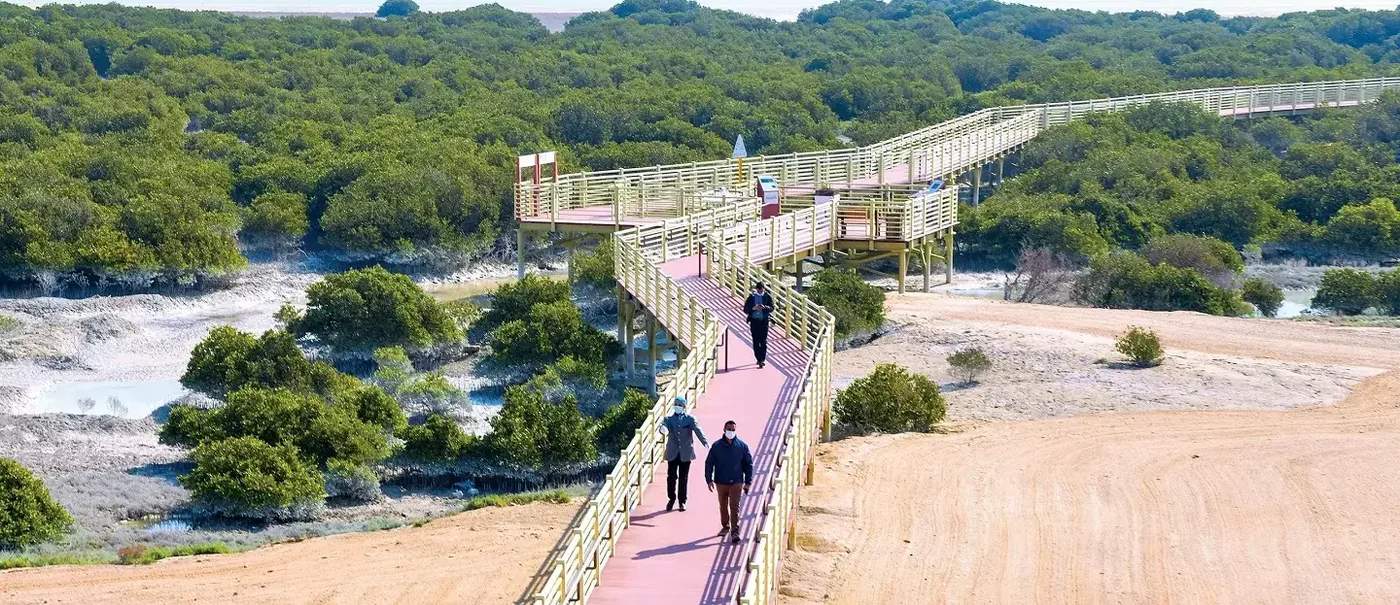
أشجار المانجروف والممرات الخشبية في محمية أرامكو للمانجروف في خليج صفوىأرامكو – أشجار المانجروف والممرات الخشبية في محميتها للمانجروف في خليج صفوى
وكانت الغابة متصلة على امتداد ساحل الخليج، من صفوى مروراً بالعوامية وتاروت وسيهات حتى الدمام والخبر، إلى أن قطّعها الردم إلى أجزاء منفصلة. وفي عام 2021م قدّر جعفر الصفواني، نائب رئيس جمعية الصيادين بالمنطقة الشرقية، التعدي على غابة صفوى بنحو 1٪ فقط، ودعا إلى إعلانها محمية طبيعية.
وفي خليج صفوى تدير أرامكو محمية للمانجروف تصفها بأنها الأولى في المملكة، تمتد على 64 كيلومتراً مربعاً، وفيها مركز للزوار وممرات وجسور خشبية بين الأشجار.
وفي فبراير 2021م، بعد أسبوعين من تنظيف غابة تاروت، زار وفد من وزارة البيئة والمياه والزراعة غابة صفوى. وفي 23 مارس، ضمن أسبوع البيئة، رفع عشرات المتطوعين، مع مكتب الوزارة في القطيف ومركز أبحاث الثروة السمكية وجمعية الصيادين، البلاستيك والإطارات والنفايات من أطرافها.
وفي صيف العام نفسه، كان منحلا «الصفا» و«الأمير» يرعيان أكثر من 65 خلية نحل قرب الغابة، وينتجان العسل من أزهارها. ويكون الفرز الأول لعسل المانجروف في منتصف يونيو، والثاني بعده بثلاثة أسابيع.
وفي عام 2023م فاز عسل من مانجروف المملكة بميدالية ذهبية في مسابقة بباريس. ونشرت صحيفة أرامكو «ذا أرابيان صن» الخبر، وذكرت صفوى، مع سيهات وتاروت، بين المدن الساحلية التي تمنح غاباتُ المانجروف فيها هذا العسلَ رائحته ونكهته وقوامه المميزة.
طيور البلشون والبلشون الأبيض مشهد مألوف في صفوى وأنحاء القطيف وعلى الساحل القريب، تصطاد في المياه الضحلة على الشاطئ وبين أشجار القرم، وعلى امتداد سواقي بساتين النخيل وبركها.
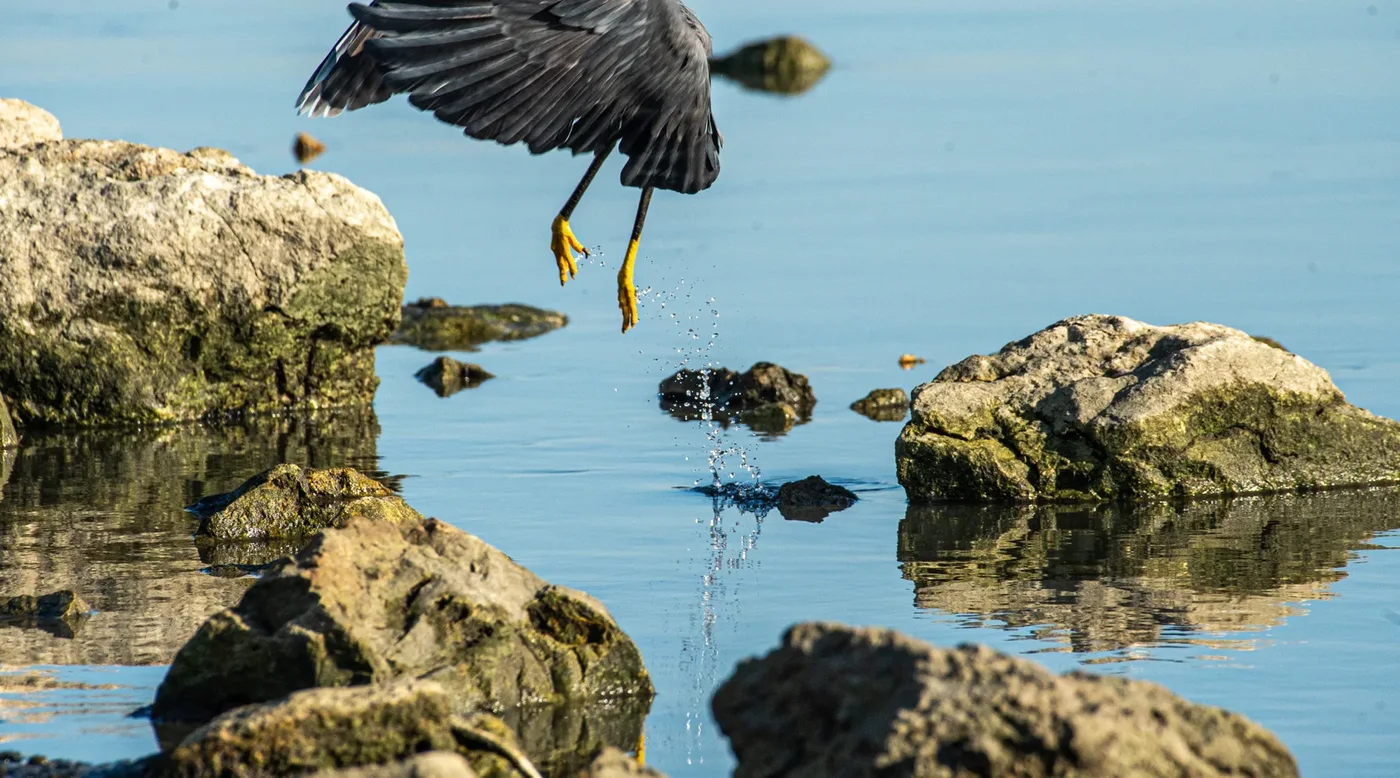
بلشون الصخر الغربي يطير من صخور الساحل
ويأتي بلشون الصخر الغربي بلونين: بعضه رمادي داكن بحلق أبيض، وبعضه أبيض كله، ولكليهما ساقان طويلتان داكنتان وقدمان صفراوان زاهيتان، ويتربّص بالأسماك الصغيرة والسرطانات بين الصخور عند الجزر.
أما البلشون الأبيض الصغير فطائر أنحف ناصع البياض، بمنقار أسود وساقين سوداوين وقدمين صفراوين كأنما غُمستا في الطلاء، ويُرى كثيراً طائراً على علوّ منخفض فوق العيون والسواقي، أو واقفاً ساكناً على حافة الماء يترصّد فريسته.
5أسماك الساحل
يذكر المسلم سنة 1962م أن مياه المنطقة غنية بالأسماك حتى قرب السواحل، وأن الناس كانوا يعتمدون عليها في غذائهم أكثر من لحوم الماشية، ويصيدون بحرية لا تقيّدها نظم ولا قوانين. ومن أشهر أنواعها الصافي والسبيطي والكنعد والبدح والجمّ والهامور والشعري والميد، إلى جانب الروبيان الكثير في السواحل الطينية، وأنواع أخرى كثيرة تختلف أسماؤها من بلدة إلى أخرى.
وكان أهم طرق الصيد «الحضرة» المبنية من سعف النخل، إلى جانب شبكة قطنية واسعة تُلقى على الماء فترسب إلى القاع بأحجار في أطرافها، ثم يجذبها الصياد من وسطها، وتُستعمل خاصة لصيد الروبيان. ورأى المسلم أن هذه الثروة لو صيدت بالطرق الحديثة وأُنشئت مصانع لتعليبها وتصديرها لأضافت مورداً ثابتاً إلى اقتصاد البلاد.
محمد سعيد المسلم – ساحل الذهب الأسود، 1962م، ص 216
Safwa's shore looks onto a small, shallow bay thick with grey mangroves. On this bay stood the town's port and customs house, which appears in Ottoman records around 1558. For generations its shallows were lined with tidal fish traps, from Saihat in the south to Safwa and Jawan in the north. Today a mangrove forest about 7 km long grows along the shore, home to herons and egrets.
Safwa's port and customs house appear in Ottoman records. In the Islamic year 966, about 1558, the Ottoman state collected 1,100 akçe from the port in taxes. The akçe was a Turkish silver coin.
The old customs building at Safwa's portAhmad Al-Masri – Safwa port building
The heritage researcher Yasser Al-Khamees believes the customs house is older than this record, and may date from the start of Ottoman rule in the region, around 1552. Some local books give its founding as 1924–25, which may instead be the date it was renovated.
The port stood east of the town on Safwa Bay, in an area known as al-ʿAli. The bay was small and very shallow, thick with grey mangroves, and its water level changed so much over the month that a spot a boat reached one day could be dry the next. Only captains who knew the bay well could bring a vessel in.
The customs house charged duties on incoming goods, most of them from the Gulf, especially Bahrain. An official known as the dāmin al-jumruk valued each cargo and set the fees. The customs house also issued travel papers to sailors and travellers, recording their names, their destinations and the goods they carried, such as dates, date syrup and palm fronds.
Pirates were active along this coast. In 1886–87 the Ottomans set up a small anti-piracy base at Ras Tanura, which halted the raids for a time.
The customs house closed when government agencies took over its work. Its square walled compound, about 60 by 60 metres, still stands, with a small three-room building of about 5 by 8 metres on its west side, where the official who valued the goods was based.
It is the only one of Qatif's old port buildings still standing. Steel in its concrete shows it was rebuilt some decades ago, but it was later abandoned, and today the sea floods it at high tide.
The photograph here shows the old port building, with seawater pooled in front of it.
For generations the shallows from Saihat in the south to Safwa and Jawan in the north were lined with hadhra (plural hudhur): tidal fish traps built near the shore from palm fronds, reeds, rope and tree trunks, and later from iron mesh or old cotton net. Each was a rough circle about six arm-spans across, with a V-shaped entrance whose point almost reached the centre.
At high tide the sea flooded in, and fish and shrimp came with it. As the water ebbed, the current held them inside. The bawwar, whether owner, tenant or hired hand, waded in at low tide and gathered the catch into a basket, al-marhala, and a donkey cart, al-qari, carried it to shore. Most traps faced west, towards the land.
Safwa's traps began on the northern bank of Khor al-Rahsa and ran along the coast up to the palm groves that met the sea. A second group, on the western side, curved around Jawan, where the coast turns and the entrances faced other ways.
Further north, Safwa's people also built traps along the shallow shore of Rahima, north-west of Ras Tanura, which they had long farmed and fished. Traps lined the edges of the shoals of Umm Arahim and al-Hidiyya, and the largest cluster was known as Hudhur Nasir. Owners came from Safwa, Qatif and Tarout. Sayyid Husayn al-ʿAwwami held shares in traps at Umm Arahim and al-Hidiyya. Two Safwa men who happened to share the name Ahmad bin Ali al-Sadiq, and were not related, both kept traps there: one near al-Ruways, the other two traps east of the al-Khurays marsh and at al-Khayran, where he had a shelter for the winter's work.
Safwa's fishermen also worked their shore from small fishing boats under about four metres long, known as kawatiyat. Wooden boats were the work of the qallafin, the shipwrights of the coast; their craft grew with pearling and shrank once cultured pearls appeared around 1930. Most qallafin turned to carpentry, making traditional doors and windows, and moved for work between Qatif, Safwa and Jubail.
A trap was property, held by old deeds from before modern title deeds, and was bought, sold and rented. Rent, called rayʿ, was paid mostly in fish or shrimp, a heap known as a tabra, and leases were often auctioned on Ramadan nights. Some traps were endowed for a mosque, a majlis or charity.
The traps were only one way of fishing the shore. Men fished with hook and line from the beach; on dark nights they waded the shallows with a lamp, trapping fish under a half-dome net and lifting them out by hand, or speared them as they lay near the bottom. Others threw the saliya, a round net weighted at its edge, or at low tide stretched a net, the ghazl, across the sea floor on stakes and drew it in at the next ebb. Teams from Bab al-Shamal in Qatif, known as chillab al-sif, drove fish into a ring of thick rope in chest-deep water. Later came the qarqur, a dome of wire mesh that fish swim into and cannot leave, and boats dragging a net held open by a wooden board.
From the middle of the 20th century, land reclamation buried the shore stage by stage, a stretch in almost every decade, from central Qatif in the 1960s to al-Majidiya in the 1980s and 90s and al-Nayifiya in the 2000s. With the shore went the traps, and many trap-keepers moved on to places such as Ras Abu Ali. Reclamation and coastal pollution also ended the night fishing of the shallows. In Rahima, the land passed to Aramco, which leased it from its owners from 1951.
Along Safwa's shore grows a forest of grey mangrove, known locally as al-qurm or al-shura. It stretches about 7 km, from al-Ramis on the coast of al-Awamiya to Safwa's old port.
Mangroves and wooden walkways at Aramco's mangrove reserve in Safwa's bayAramco – Mangroves and wooden walkways at its mangrove reserve in Safwa's bay
The forest once ran unbroken down the Gulf coast, from Safwa through al-Awamiya, Tarout and Saihat towards Dammam and al-Khobar, until land reclamation cut it into separate stands. In 2021 Jaʿfar al-Safwani, deputy head of the Eastern Province Fishermen's Association, put the encroachment on Safwa's stand at only about 1%, and called for it to be made a nature reserve.
In Safwa's bay, Aramco runs a mangrove reserve that it describes as the Kingdom's first, covering 64 square kilometres, with a visitor centre and wooden walkways and bridges among the trees.
In February 2021, two weeks after a clean-up of the Tarout mangroves, a delegation from the Ministry of Environment, Water and Agriculture visited the Safwa forest. On 23 March, during Environment Week, dozens of volunteers, with the ministry's Qatif office, the Fisheries Research Centre and the fishermen's association, cleared plastic, tyres and other waste from its edges.
That summer two local apiaries, al-Safa and al-Amir, kept more than 65 hives beside the forest and made honey from its flowers. The first mangrove honey is taken in mid-June, and a second three weeks later.
In 2023 a honey from the Kingdom’s mangroves won a gold medal at a competition in Paris. Aramco’s newspaper, The Arabian Sun, reported it and named Safwa, with Saihat and Tarout, among the coastal towns whose mangrove forests give the honey its distinctive aroma, flavour and texture.
Herons and egrets are a common sight in Safwa, across Qatif and along the nearby coast. They hunt in the shallows of the shore, among the mangroves, and along the water channels and pools of the palm groves.
A western reef heron taking off from rocks on the shore
The western reef heron comes in two colours: some birds are dark slate grey with a white throat, others are all white. Both have long dark legs and bright yellow feet, and they stalk small fish and crabs at low tide among the rocks.
The little egret is a slimmer, snow-white bird with a black bill, black legs and yellow feet, as if it had stepped into paint. It is often seen flying low over the springs and channels, or standing still at the water’s edge, waiting for prey.
5Fish of the coast
Writing in 1962, al-Muslim notes that the region's waters were rich in fish even close to shore, that people relied on fish more than on meat, and that fishing was free of any rules or licences. Among the best-known fish were safi, subaiti, kanʿad, badah, jamm, hamour, shaʿri and maid, along with the shrimp that abounded off the muddy shores, and many other kinds whose names changed from town to town.
The main method was the hadhra, the palm-frond fish trap. Fishermen also used a wide cotton net, weighted with stones at its edge, which they cast over the water to sink to the bottom and then drew in by its centre, chiefly for shrimp. Al-Muslim argued that if this wealth were fished with modern methods, and canneries were built to export it, it would give the country a steady new source of income.
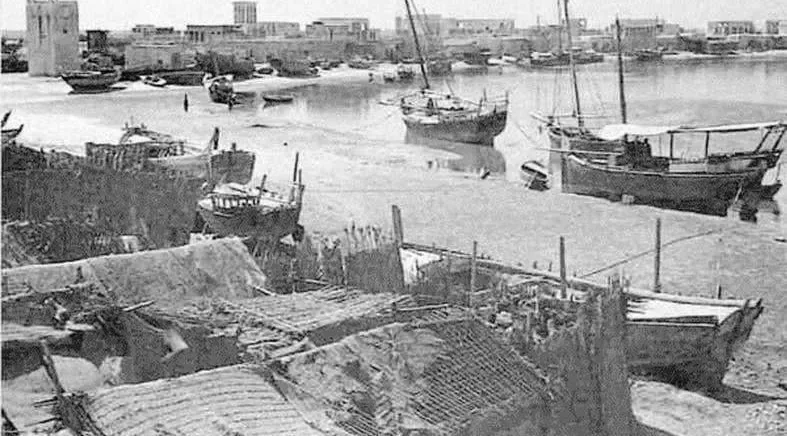 الغوص على اللؤلؤأهم مصدر للرزق بعد الزراعة حتى الثلاثينيات.
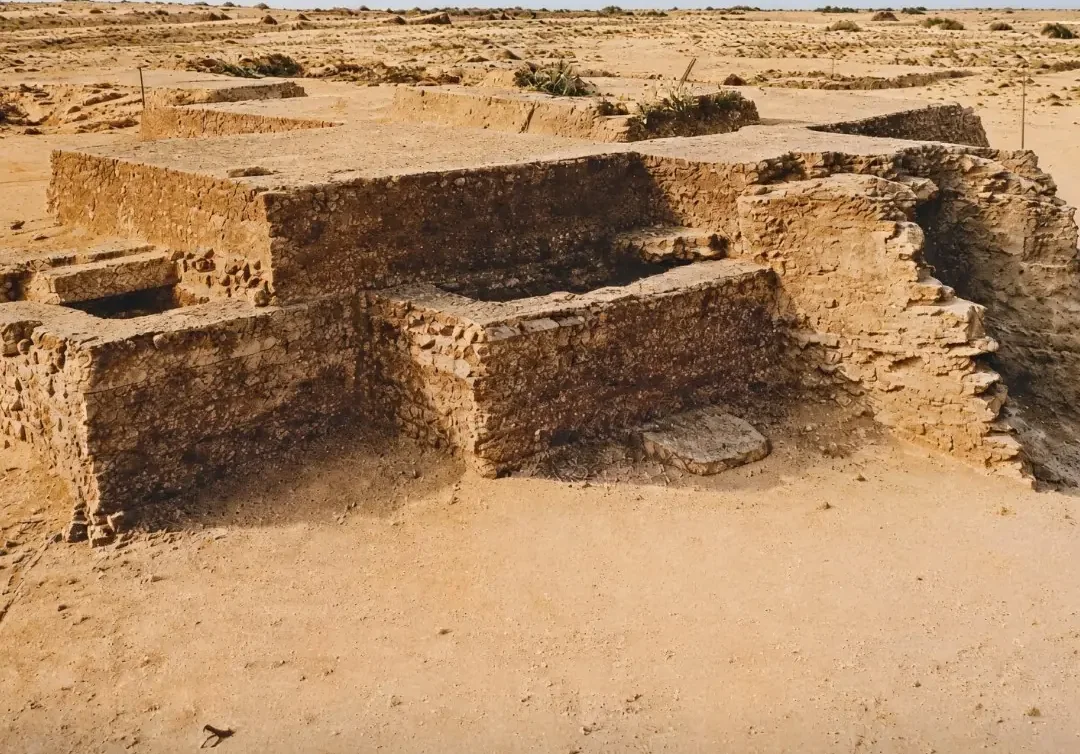 جاوانموقع أثري شمال صفوى، سُكن قرابة ألف عام.
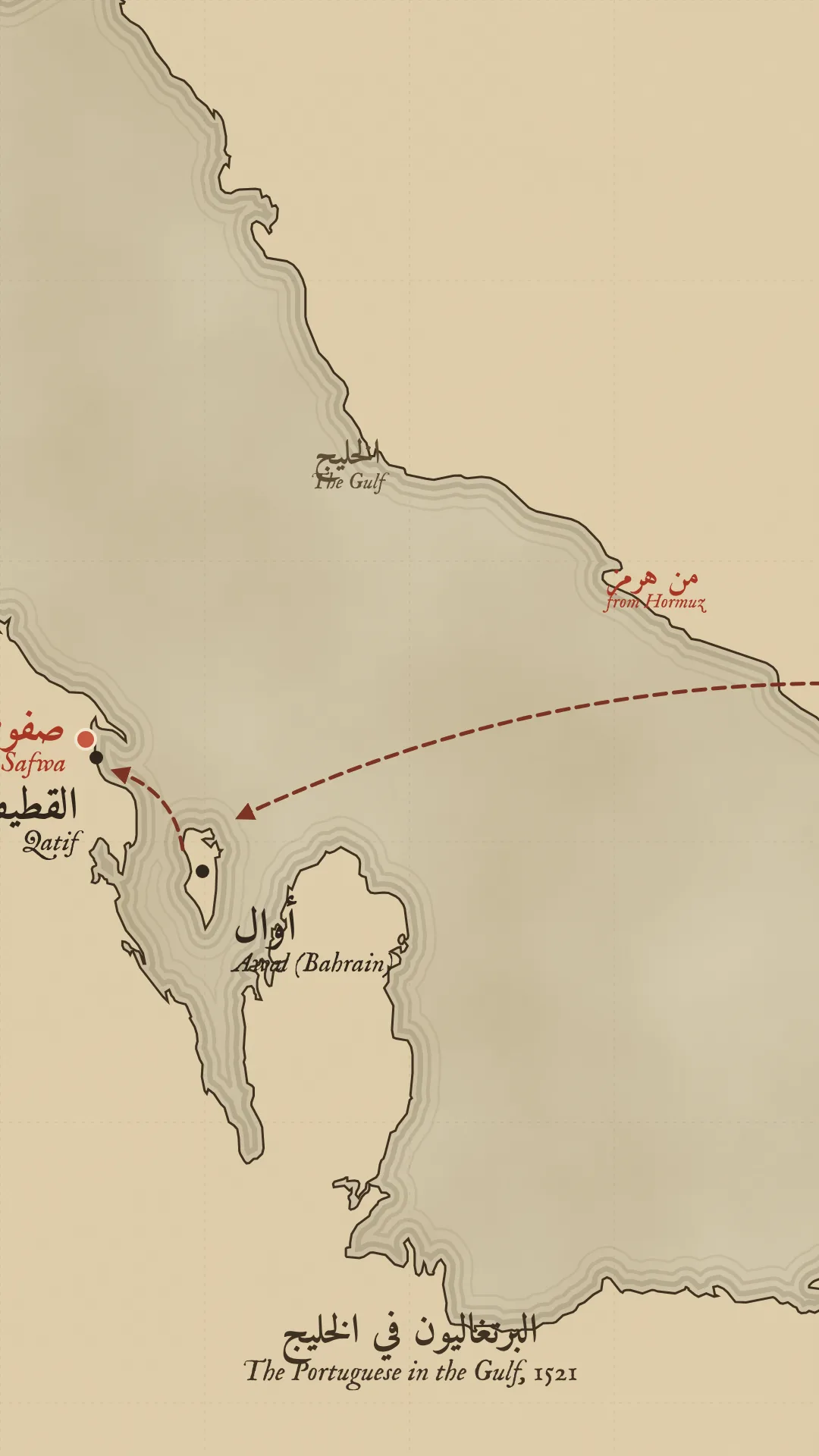 البرتغاليون والعثمانيونقرن من التنافس على القطيف وسواحلها، ترك في صفوى الكوت وسورها.
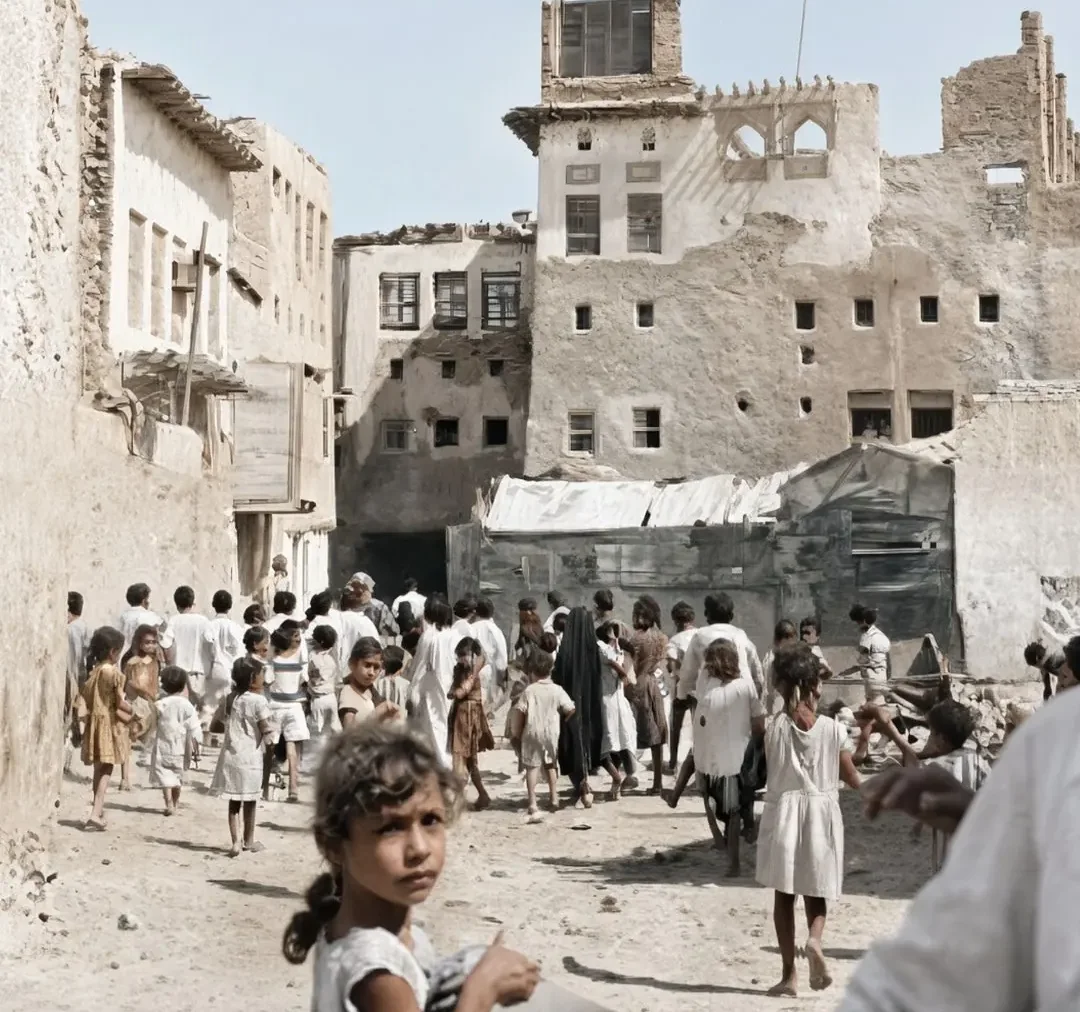 الديرة، البلدة المسوّرةقلب صفوى القديم: سورها وأبوابها وكوتها ومسجدها الجامع، حتى أُزيلت سنة 1989م.
 الخرافات والشخصيات الخياليةعبد العين وأبو مغوي والطنطل وأم حمار: كائنات الحكايات الشعبية في واحة القطيف.