دولتان عربيتان حكمتا شرق الجزيرة العربية، وشهدت صفوى معاركهما.Two Arab dynasties of eastern Arabia, whose battles reached Safwa.
العيونيون أسرة عربية حكمت شرق الجزيرة العربية، ومنه الأحساء والقطيف، من سنة 1076م إلى 1238م. وفي صفوى دارت المعركة التي وحّدت دولتهم المنقسمة نحو سنة 1183م، وقرب صفوى قُتل أميرهم محمد بن أحمد نحو سنة 1208م. وذكر شاعرهم علي بن المقرّب البلدة باسم «صفواء». ثم خلفهم العصفوريون من بني عقيل نحو سنة 1253م، وحكموا المنطقة أكثر من قرن.
دارت معركة عند صفوى بين أميرين متنافسين من العيونيين، محمد بن أحمد والحسن بن شكر. فانتصر ابن أحمد وعاد شطرا الدولة العيونية إلى الاتحاد. وكان العيونيون يحكمون شرق الجزيرة العربية آنذاك.
يوم صفوىالمديرس – خريطة الدولة العيونية، 2002، ص 230
العيونيون أسرة عربية حكمت شرق الجزيرة العربية، ومنها الأحساء والقطيف، بين القرنين الحادي عشر والثالث عشر الميلاديين. وقد شقّ التنافس داخل الأسرة الحاكمة دولتهم شطرين.
وحسمت المعركة التي دارت عند صفوى ذلك الانقسام، ولهذا تذكرها الأخبار باسم البلدة.
ويصف الشاعر العيوني ابن المقرّب نزول الجموع عند صفوى:
نزلوا على صفواءَ صبحاً وابتنَوافيها القبابَ وأيقنوا بأمانِ
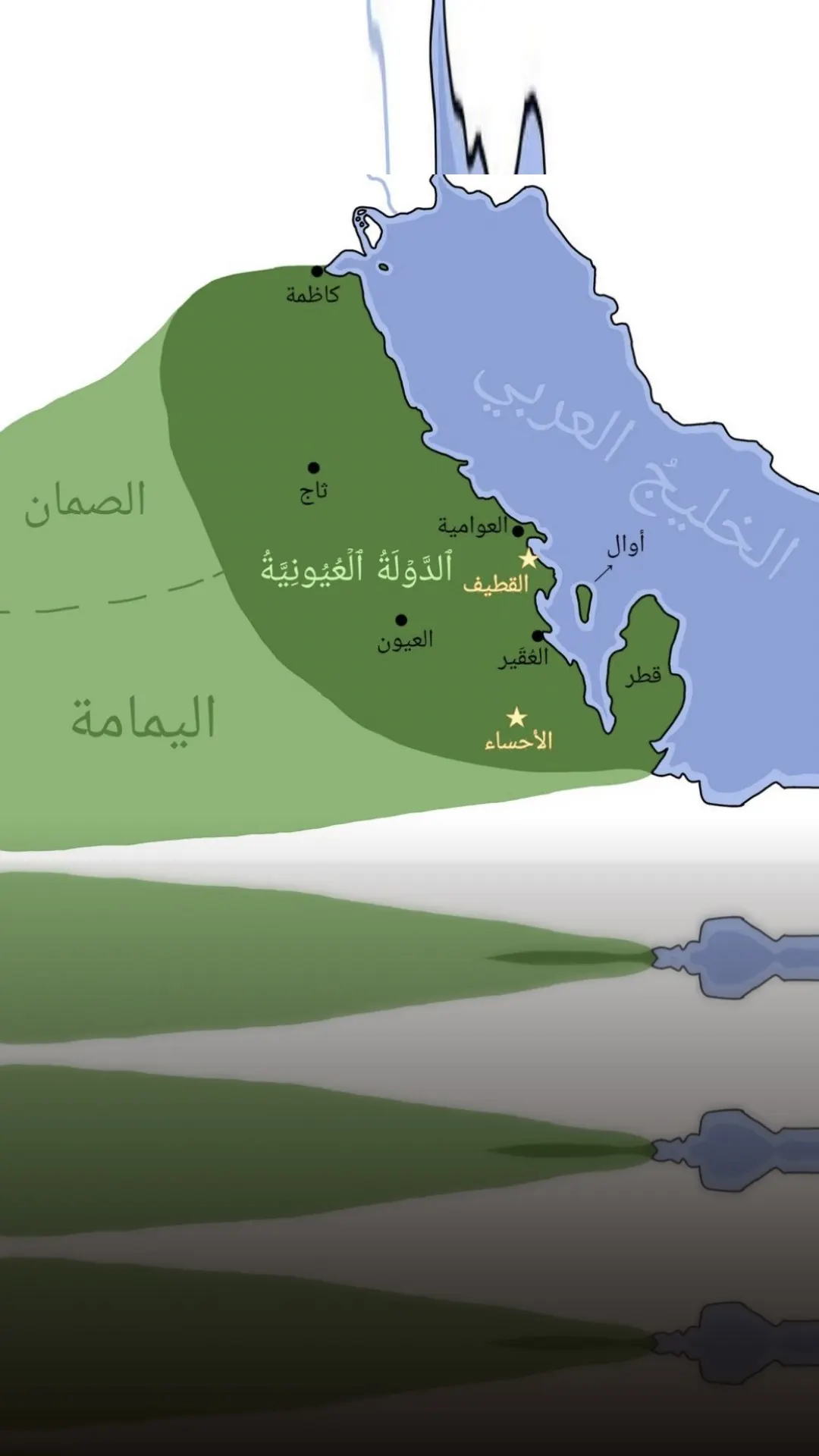
وتُظهر الخريطة هنا الدولة العيونية التي امتدّ حكمها من 1076 إلى 1238م، من كاظمة شمالاً قرب الكويت اليوم، على امتداد الساحل حتى قطر، ومعها جزيرة أوال (البحرين). وتشير النجمتان إلى عاصمتيها، الأحساء والقطيف.
وتروي موسوعة المعرفة الخبر على نحو آخر، فتجعله نحو سنة 1148م، وتذكر أن الأمير محمد بن أبي الحسين كان في صفوى حين هاجمته جموع الحسن بن شكر ومن حالفه من القبائل، وأن طريفة بنت شبانة أُسرت في القتال ثم استنقذها محمد.
قُتل محمد بن أحمد بين صفوى والأوجام على يد راشد بن عميرة، شيخ بني عقيل. ويشير الشاعر العيوني ابن المقرّب إلى الحادثة في شعره.
وبحسب موسوعة المعرفة، اتفق راشد بن عميرة وغرير بن الحسن، أحد أمراء العيونيين، على قتل الأمير، على أن يأخذ راشد أمواله وذخائره، ويتولّى غرير الحكم. فتولّى غرير بعدها السلطة في القطيف والبحرين.
وكانت الحادثة بداية النهاية لإمارة العيونيين، إذ عاد الصراع بين أمراء البيت العيوني في الأحساء والقطيف والبحرين، وتمزّقت وحدة الدولة.
يذكر الشاعر العيوني علي بن المقرّب (ت. نحو 1232م) البلدة مرتين في ديوانه، ويكتب اسمها «صفواء».
ففي أحد أبياته يرسم ساحل الخطّ، وهو الاسم القديم لإقليم القطيف، من صفواء شمالاً إلى الظهران جنوباً:
والخطُّ من صفواءَ حازوها فماأبقَوا بها شبراً إلى الظهرانِ
وفي بيت آخر يصف قوماً نزلوا بها:
نزلوا على صفواءَ صبحاً وابتنَوافيها القبابَ وأيقنوا بأمانِ
ويقول شارح الديوان إن «صفواء موضعٌ بالقطيف من البحرين»، وإنها «طرف القطيف الشمالي»، ويذكر عيونها العذبة ونخيلها. وهذا يطابق صفوى اليوم تماماً، فيجعله من أقوى الشواهد المبكرة على وجود البلدة.
وفي بعض الطبعات يُكتب الاسم «صفوى» أو «صفوا»، ويرجّح محقق إحدى الطبعات العلمية أن «صفواء» هي كتابة الشاعر نفسه.
أطاح العصفوريون، وهم أسرة عربية من بني عقيل، بالدولة العيونية وبسطوا سيطرتهم على شرق الجزيرة العربية. وتحوّل مركز الثقل نحو القطيف، ودخلت صفوى، في الطرف الشمالي من الخطّ، تحت حكمهم.
حكم العصفوريون المنطقة أكثر من قرن، حتى نحو عام 1392م. وكانت ثروتهم تأتي من التجارة عبر ميناء القطيف ومن مزارع الواحة.
وكانت مكانة صفوى في هذا الاقتصاد نابعة من مائها؛ إذ كانت عين الصفا، التي عُرفت لاحقاً بعين داروش، تغذّي شبكة من الأنهار تسقي بساتين النخيل والفاكهة والمواشي.
وكثيراً ما وجد العصفوريون أنفسهم بين قوى البحر، فاصطدموا بأمراء هرمز، ودفعوا لهم الإتاوة أحياناً، في التنافس على طرق التجارة في الخليج ومغاصات اللؤلؤ.
وتحفظ الروايات المتوارثة في صفوى ذكرى البلدة حارسةً لحدود القطيف الشمالية.
وكانت الدولة العيونية قد أخذت في الضعف قبل ذلك؛ ففي نحو سنة 1243م استولى أبو بكر بن سعد السلغري، حاكم فارس، على قلعة تاروت المقابلة لصفوى عبر الخليج.
5شاهد من عصر العصفوريين
كان الجغرافي ابن سعيد المغربي (1213–1286م) يكتب كتابه في الجغرافيا بعد سنة 1260م، في السنوات الأولى من حكم العصفوريين. وذكر فيه أن ما بين هجر واليمامة مجالات بني عامر، وأنه لم يبق لأحد من العرب معهم عزّ في بلاد اليمامة والبحرين، وقال: «ومنهم الآن ملوك الصقعين»، أي ملوك اليمامة والبحرين. والعصفوريون الذين حكموا المنطقة في أيامه من بني عامر بن عقيل.
The Uyunids were an Arab dynasty that ruled eastern Arabia, including al-Ahsa and Qatif, from 1076 to 1238. The battle that reunited their divided state was fought at Safwa around 1183, and their emir Muhammad ibn Ahmad was killed near Safwa around 1208. Their poet ʿAli ibn al-Muqarrab named the town Ṣafwāʾ. They were followed around 1253 by the Usfurids of the Banu ʿUqayl, who ruled the region for well over a century.
A battle was fought at Safwa between two rival Uyunid princes, Muhammad ibn Ahmad and al-Hasan ibn Shukr. Ibn Ahmad won and the divided Uyunid state was reunited. The Uyunids ruled eastern Arabia at the time.
The Day of Safwaal-Mudayris – Map of the Uyunid State, 2002, p. 230
The Uyunids were an Arab dynasty that ruled eastern Arabia, including al-Ahsa and Qatif, in the 11th to 13th centuries. Rivalries inside the ruling family split their state in two.
The battle fought at Safwa settled that split, which is why the chronicles remember it by the town's name.
The Uyunid poet Ibn al-Muqarrab describes the forces encamping at Safwa:
نزلوا على صفواءَ صبحاً وابتنَوافيها القبابَ وأيقنوا بأمانِ
“They encamped at Ṣafwāʾ in the morning, and set up their tents there, feeling secure.”
The map here shows the Uyunid state, which lasted from 1076 to 1238. It stretched from Kazima in the north, near today's Kuwait, down the coast to Qatar, including the island of Awal (Bahrain). Its two capitals, al-Ahsa and Qatif, are marked with stars.
The Marefa encyclopaedia gives a different account: it dates the battle to around 1148 and says the emir Muhammad ibn Abi al-Husayn was at Safwa when Hasan ibn Shukr’s forces and their tribal allies attacked him. Tarifa bint Shabana was taken captive in the fighting, and Muhammad recovered her.
Muhammad ibn Ahmad was killed between Safwa and al-Ajam by Rashid ibn 'Umayra, chief of the Bani 'Uqayl. The Uyunid poet Ibn al-Muqarrab refers to it in his poetry.
According to Marefa, the killing was agreed between Rashid ibn ʿUmayra and Ghurayr ibn al-Hasan, an Uyunid prince. Rashid was to take the emir’s wealth, and Ghurayr his rule. Ghurayr then governed Qatif and Bahrain.
The murder is seen as the beginning of the end of Uyunid rule. Fighting within the ruling family flared again across al-Ahsa, Qatif and Bahrain, and the state broke apart.
The Uyunid poet ʿAlī ibn al-Muqarrab names the town twice in his Dīwān, his collected poems, spelling it Ṣafwāʾ (صفواء).
In one verse he traces the coast of al-Khaṭṭ, the old name for the region around Qatif, from Ṣafwāʾ in the north to al-Ẓahrān in the south:
والخطُّ من صفواءَ حازوها فماأبقَوا بها شبراً إلى الظهرانِ
“And al-Khaṭṭ, from Ṣafwāʾ, they seized it, leaving not a span of it as far as al-Ẓahrān.”
In another he describes people arriving there:
نزلوا على صفواءَ صبحاً وابتنَوافيها القبابَ وأيقنوا بأمانِ
“They encamped at Ṣafwāʾ in the morning, and set up their tents there, feeling secure.”
The commentary on the Dīwān calls Ṣafwāʾ “a place in al-Qatif, in al-Bahrayn” and “the northern extremity of al-Qatif,” and mentions its freshwater springs and palm groves. That matches modern Safwa exactly, which makes this one of the strongest early pieces of evidence for the town.
Some printed editions spell the name صفوى or صفوا. The editor of a scholarly edition argues that صفواء was the poet's own spelling.
The Usfurids, an Arab dynasty of the Banū ʿUqayl, overthrew the Uyunids and took control of eastern Arabia. Power shifted toward Qatif, and Safwa, at the northern end of al-Khaṭṭ, came under their rule.
The Usfurids ruled the region for well over a century, until about 1392. Their wealth came from trade through the port of Qatif and from the farms of the oasis.
Safwa's place in that economy came from its water. 'Ain al-Safa, the spring later known as 'Ain Daroush, fed a network of channels that watered palm groves, fruit gardens and livestock.
The Usfurids were often caught between powers at sea. They clashed with, and at times paid tribute to, the princes of Hormuz, who competed with them for the Gulf's trade routes and pearl fisheries.
Stories passed down in Safwa remember the town as the guardian of Qatif's northern border.
The Uyunid state had already been weakening. In about 1243 Abu Bakr ibn Saʿd al-Salghuri, ruler of Fars in Persia, seized the castle of Tarut, across the bay from Safwa.
5A witness from the Usfurid age
The geographer Ibn Saʿid al-Maghribi (1213–1286) was writing his geography after 1260, in the first years of Usfurid rule. He recorded that the lands between Hajar and al-Yamama were the ranges of the Banu ʿAmir, that no other Arabs kept any power beside them in al-Yamama and al-Bahrayn, and that “from them now are the kings of both regions”, al-Yamama and al-Bahrayn. The Usfurids, who ruled the region in his day, were of the Banu ʿAmir ibn ʿUqayl.

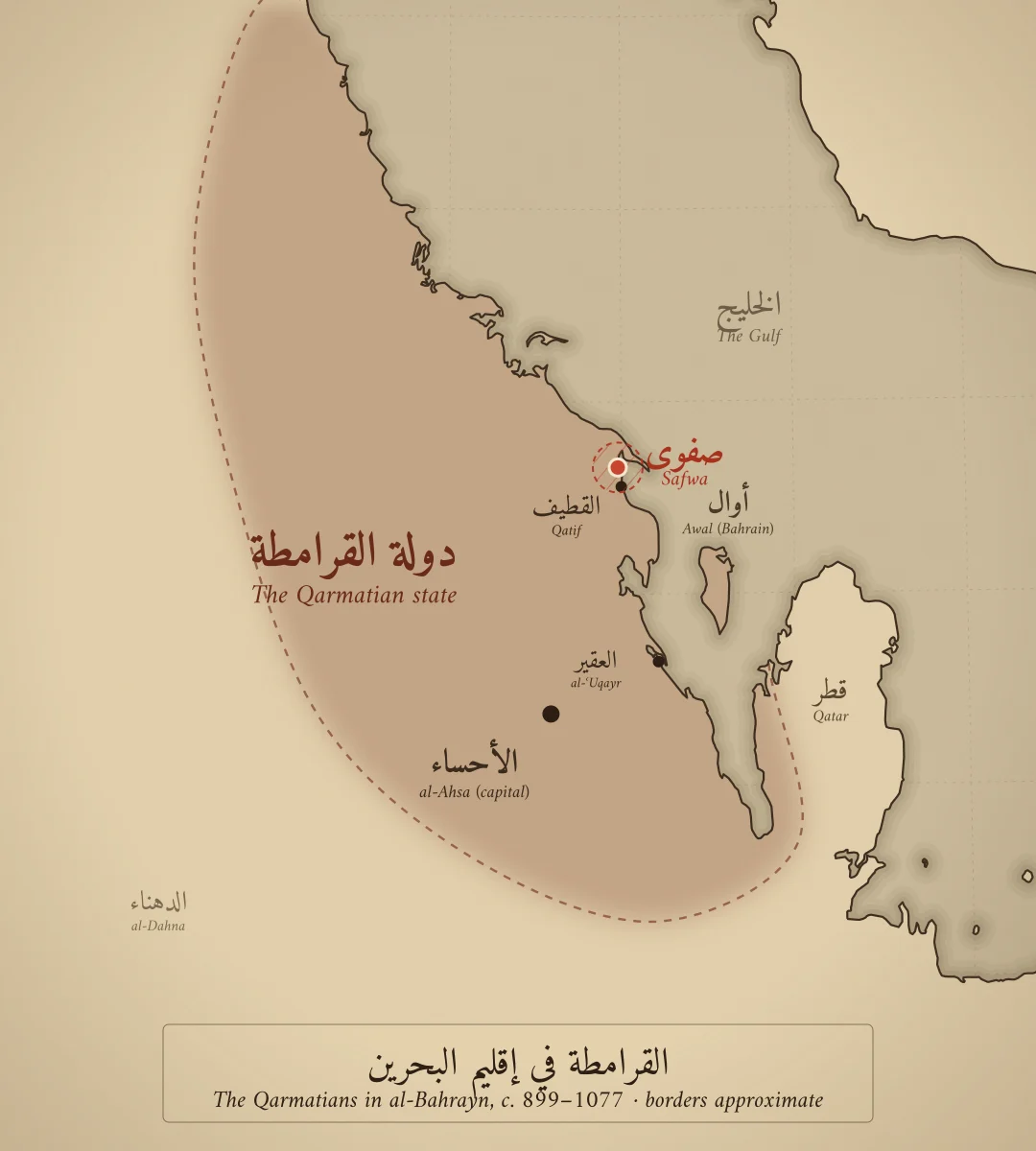 القرامطةدولة حكمت شرق الجزيرة العربية، ومنها القطيف، قرابة قرنين.
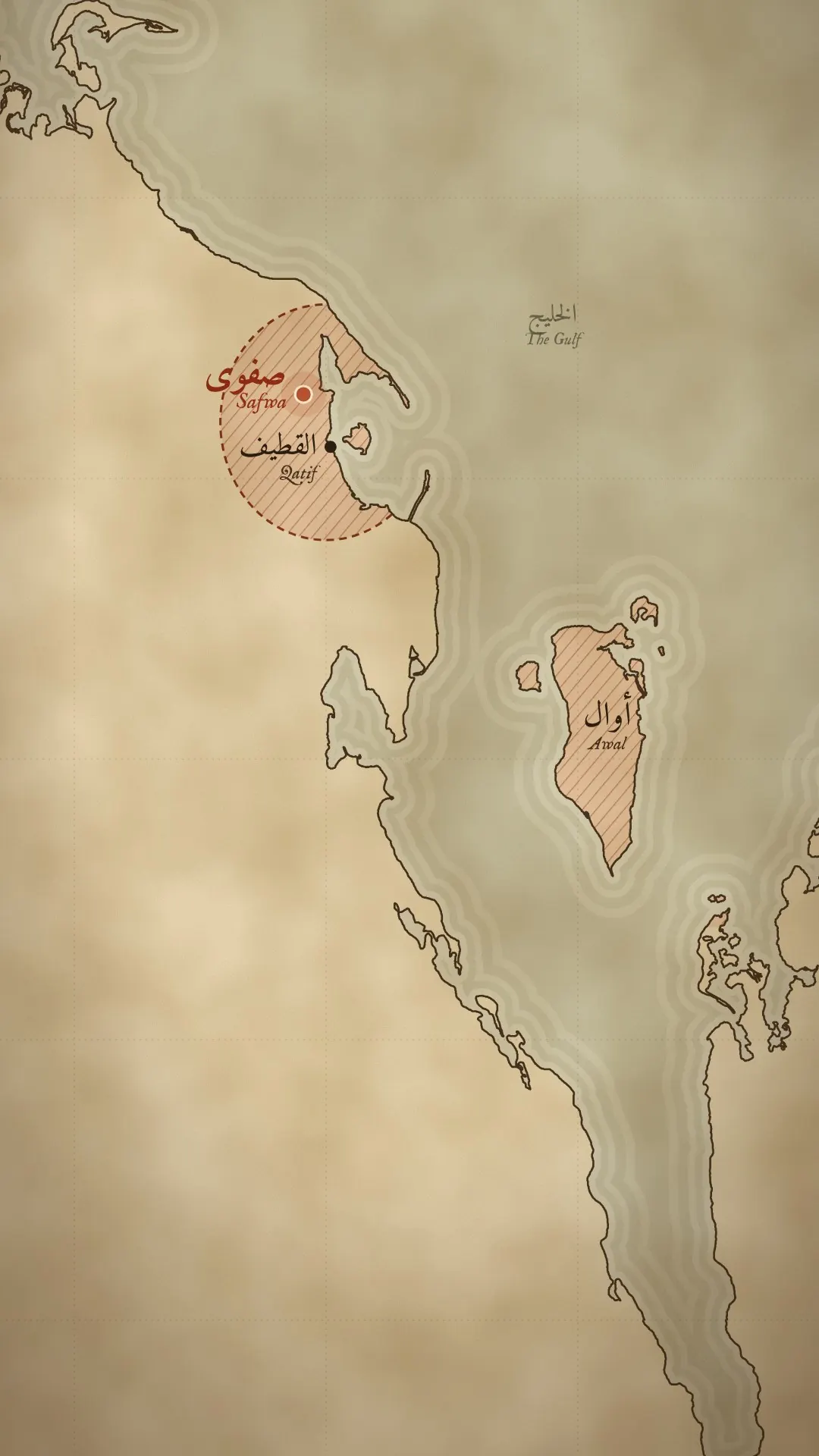 إمارة آل عياشإمارة قصيرة العمر قامت في القطيف بين سقوط القرامطة وقيام الدولة العيونية.
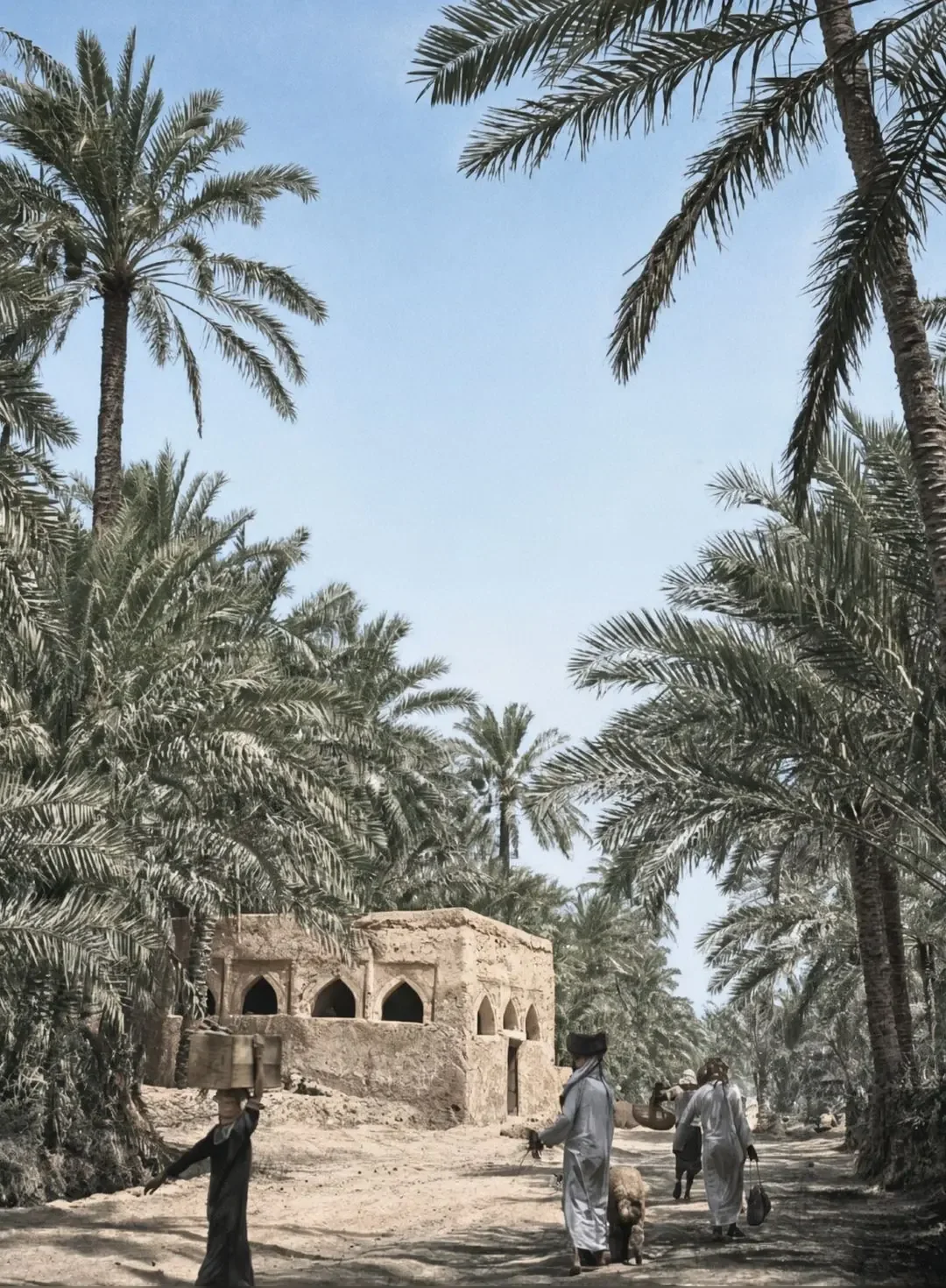 الجروانيونأسرة عربية حكمت شرق الجزيرة العربية من القطيف في القرن الرابع عشر الميلادي.
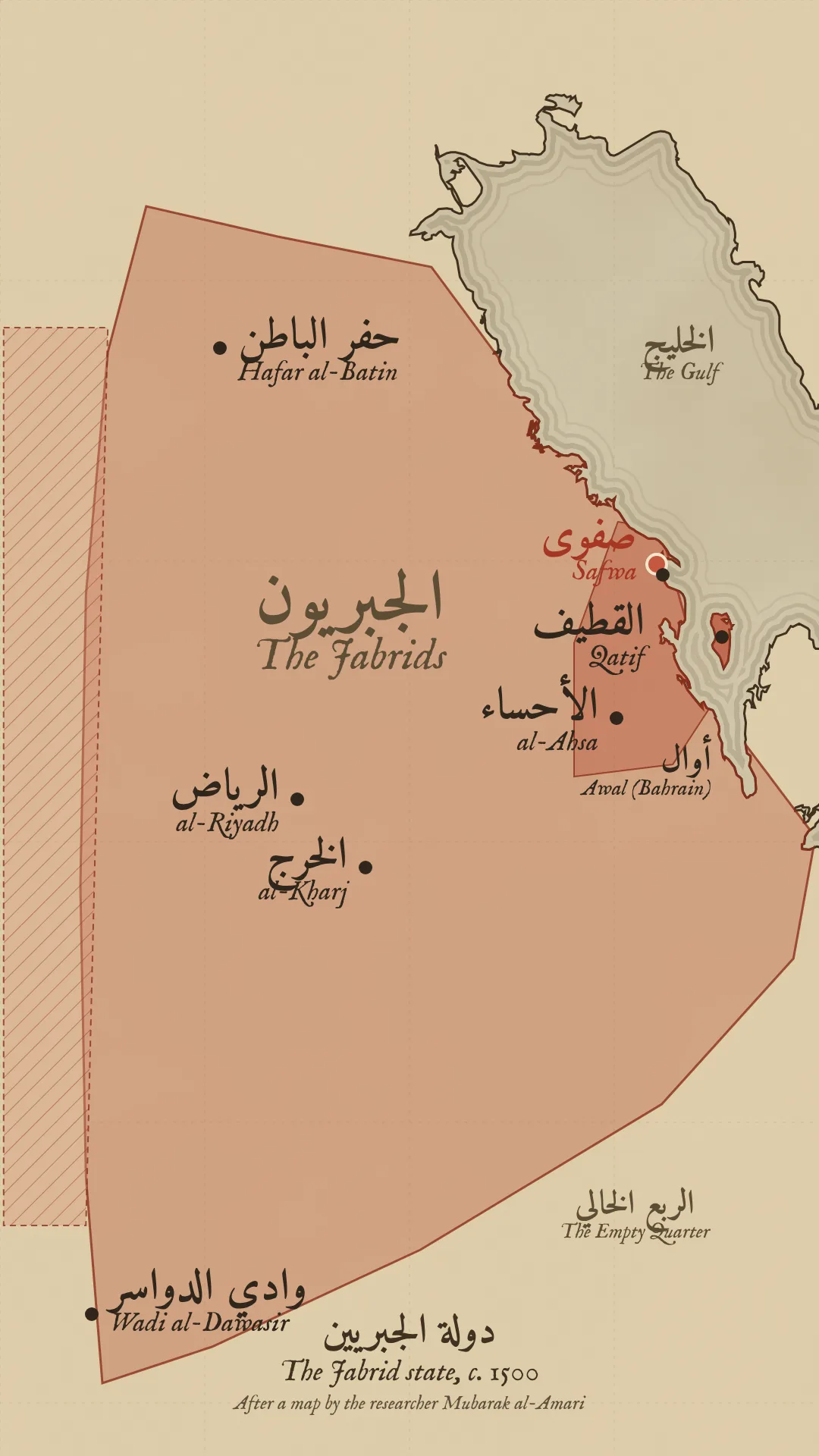 الجبريونأسرة عربية من بني عقيل حكمت شرق الجزيرة العربية حتى قدوم البرتغاليين.
 اسم صفوىالصفا، وصفوان، وصفواء: كيف ورد اسم البلدة في الشعر والمعاجم.