من قوافل الجرهاء وأسواق العرب إلى التمر والسلوق، وحِرف الواحة قبل النفط.From the caravans of Gerrha and the old Arab fairs to dates and salloo, and the crafts of the oasis before oil.
قامت التجارة على ساحل القطيف منذ القدم، بفضل موقعه بين الشرق والغرب. فقد عرفت المنطقة تجارة القوافل والسفن في العصور القديمة، وبقيت مركزاً اقتصادياً مهماً في صدر الإسلام، ثم تراجعت تجارتها حين تحوّلت الطرق عنها. وظلّت حتى منتصف القرن العشرين تكاد تكتفي بغذائها، تصدّر التمر والسلوق والدبس والفاكهة والخضار، وتستورد ما تحتاجه من الهند وفارس وعُمان والبحرين. وعُرفت قديماً بصناعات كالرماح الخطّية، ثم لم يبق من صناعاتها قبل النفط إلا حِرف يدوية بسيطة.
يربط المسلم بداية ازدهار التجارة في المنطقة بأهلها الأوائل، ثم بأهل الجرهاء، الذين كانت لهم أساطيل تنقل بضائعهم عبر الخليج إلى وادي الرافدين، وقوافل تقطع الصحراء إلى شواطئ البحر المتوسط، حتى صارت مدينتهم مضرب المثل في الثروة. ويصفهم الجغرافي اليوناني سترابون بأنهم يزيّنون بيوتهم بالعاج والفضة والأحجار الكريمة، ويحلّون سقوفها وأبوابها بالذهب.
وتدلّ النقود الصينية القديمة التي وُجدت في صحارى المنطقة على صلات تجارية بالشرق الأقصى. وكانت لدى عمدة القطيف السيد محمد الفارس مجموعة منها، ومجموعة أخرى من نقود عليها كتابات لم تُقرأ بعد، عُثر عليها أثناء مدّ أنابيب النفط.
وكانت تُقام في المنطقة قبل الإسلام أسواق موسمية هي أشبه بمؤتمرات أدبية، منها سوق هجر، وسوق المشقّر، وسوق الزارة، وسوق الجرعاء، وسوق دارين، يحضرها الشعراء والأدباء إلى جانب التجّار.
2في صدر الإسلام
بقيت المنطقة حتى دخولها في الإسلام مركزاً اقتصادياً مهماً. ويُروى أن ما جمعه العلاء بن الحضرمي من جزيتها كان مالاً لم يُرَ مثله في المدينة.
ويذكر ابن الأثير أن نجدة الخارجي حين استولى على بلاد البحرين، في أيام عبد الله بن الزبير، قطع الميرة عن أهل الحجاز، فكتب إليه عبد الله بن عباس يذكّره بقصة ثمامة بن أثال، الذي قطع الميرة عن مكة ثم أعادها، فأعادها نجدة هو الآخر. ويرى المسلم في هذه الرواية دليلاً على أن الحجاز كان يعتمد يومئذ على هذا الإقليم في قوته.
3تراجع التجارة
أخذ مركز المنطقة التجاري يتدهور منذ أواخر القرن السابع الميلادي، بسبب الاضطرابات والثورات وتعاقب حكومات قبلية مولعة بالغارات على جيرانها. فتحوّلت طرق التجارة شمالاً عبر وادي الرافدين، وغرباً إلى البحر الأحمر ووادي النيل، ثم جاء افتتاح قناة السويس سنة 1869م فقضى على البقية الباقية من أهميتها في التجارة العالمية، واقتصرت تجارتها على حاجة أهلها.
يرد ميناء صفوى وجمركها في السجلات العثمانية؛ ففي نحو عام 1558م بلغت الضرائب التي جنتها الدولة العثمانية من الميناء 1100 آقجة، والآقجة عملة فضية تركية.
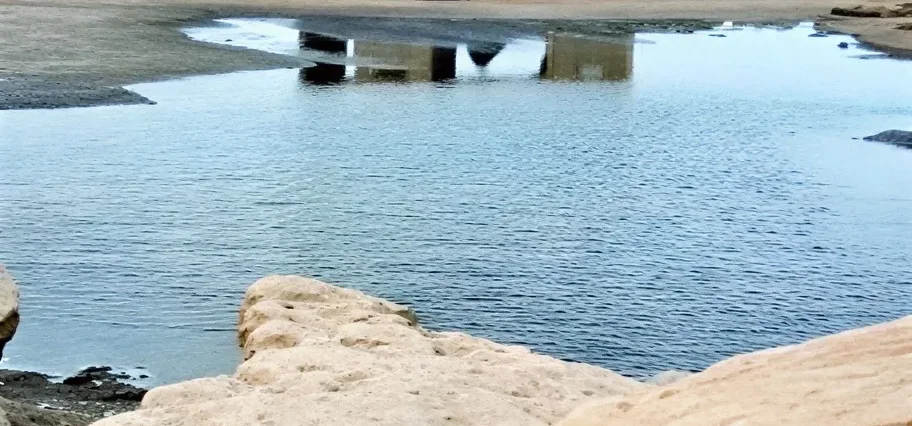
مبنى الجمرك القديم في ميناء صفوىأحمد المسري – مبنى ميناء صفوى
ويرى الباحث في التراث ياسر آل خميس أن الجمرك أقدم من هذا السجل، وربما أُنشئ مع بداية العهد العثماني في المنطقة نحو نحو عام 1552م. وتذكر بعض الكتب المحلية أن نشأته كانت نحو عام 1924–1925م، وقد يكون ذلك تاريخ تجديده.
ويقع الميناء شرق صفوى على خليجها، في منطقة تُعرف بـ«العلي». وكان الخليج صغيراً شديد الضحالة، يكثر فيه نبات الشورى، ويتبدّل منسوب مياهه كثيراً بين أول الشهر ووسطه وآخره، حتى إن موضعاً تبلغه المراكب قد ينحسر عنه الماء في اليوم التالي. فلم يكن يرسو فيه إلا ربّان خبير بالخليج ومياهه.
وكان الجمرك يأخذ الرسوم على البضائع الواردة، وأكثرها من دول الخليج، ولا سيما البحرين. وكان يتولاه شخص يُعرف بـ«ضامن الجمرك»، يقدّر البضائع ويحدّد رسومها. وكان الجمرك يصدر كذلك تصاريح السفر للبحارة والمسافرين، تُدوَّن فيها أسماؤهم ووجهاتهم وما يحمله المركب من تمر ودبس وسعف وغيرها.
وكانت القرصنة تنشط على هذا الساحل، فأنشأت الدولة العثمانية نحو عام 1886–1887م قاعدة عسكرية صغيرة في رأس تنورة لمكافحتها، فتوقفت القرصنة إلى حين.
وتوقف العمل بالجمرك بعد أن تولّت جهات حكومية مهمته. ولا يزال سوره المربع قائماً، بطول نحو 60 متراً وعرض مثله، وإلى غربه مبنى صغير من ثلاث غرف، مساحته نحو 5 × 8 أمتار، كان مقرّاً لمقدّر الواردات.
وهو المبنى الوحيد الباقي من مباني الموانئ القديمة في القطيف. ويدل حديد الخرسانة فيه على أنه أعيد بناؤه قبل عشرات السنين، ثم أُهمل، وتغمره مياه البحر اليوم عند المد.
وتُظهر الصورة هنا مبنى الميناء القديم، وقد تجمّعت أمامه مياه البحر.
5الصادرات والواردات
كانت المنطقة حتى عهد قريب تكاد تكتفي بغذائها، فتنتج الأرز والشعير والخضار والفاكهة، ولا تستورد إلا بعض المواد الغذائية والأقمشة والتبغ والبنّ والأدوات المنزلية والكماليات. وكانت تصدّر التمر والفاكهة والخضار إلى بلدان الخليج، واللؤلؤ والسلوق إلى الهند. وجرت العادة أن تقدم في بداية الموسم سفن كبيرة من الهند وباكستان لشراء السلوق، وسفن من بلدان الخليج لشراء التمور، وكانت الأسعار تتبع العرض والطلب.
وكانت تتعامل في الماضي مع سواحل فارس والهند وعُمان، ثم اتسعت تجارتها مع البحرين حين ازدهرت. ولما أُنشئ ميناء الدمام، الذي يستقبل أضخم البواخر، ومُدّت السكة الحديدية إلى الرياض، صارت المنطقة تتعامل مباشرة مع أنحاء العالم، وتأسست في الدمام غرفة تجارية وفروع للبنوك ووكالات للتأمين والبواخر.
وكانت الرسوم تؤخذ على البضائع المستوردة والمصدّرة على السواء، وتُعطى الجمارك بالضمان السنوي لأحد وجهاء البلد مقابل مبلغ معيّن، على لوائح تحدّد الرسوم. واستمر ذلك حتى نحو سنة 1923م، حين بعث الملك عبد العزيز لجنة برئاسة هاشم الرفاعي لتنظيم الشؤون المالية والجمارك، ثم أُلغيت الرسوم على الصادرات. ولاحظ المسلم سنة 1962م أن الواردات أخذت تزيد والصادرات تنقص، لولا ما عوّضه تصدير النفط.
6الحِرف والصناعة
اشتهرت المنطقة في العصور الخالية بصناعات منها الرماح الخطّية والثياب الظهرانية، ثم اندثرت منذ زمن بعيد. ولم يبق فيها قبل اكتشاف النفط إلا حِرف يدوية تُستهلك محلياً، كأنواع النسيج البسيطة، وصناعة الحُصر، والأواني الفخارية، وما يصنعه الحدّادون من المساحي والمناجل وأدوات الفلاحة. وكان سعف النخل وجذوعه وليفه مادة كثير من هذه الحِرف.
ومع النفط تغيّرت أوضاع البلاد، فنشأت صناعات جديدة: مصانع الطابوق والبلاط والموزاييك، وورش النجارة والحدادة والخراطة، ومصنع للإسمنت قرب الأحساء، وآخر للغازات الصناعية قرب الظهران، ومصانع لأكياس الورق والنايلون وللأحذية في الدمام.
ويفسّر جواد علي اسم الرماح الخطّية: فالخطّ هو خطّ هجر، كانت تُحمل إليه الرماح من بلاد الهند فتُقوَّم فيه، فنُسبت إليه، وهي من الرماح الجيدة المعروفة التي ذكرها الشعراء الجاهليون كالأعشى. ويذكر أهل الأخبار أن يزيد بن شنّ، من عبد القيس، كان أول من ثقّف القنا بالخطّ.
Trade has flourished on the Qatif coast since ancient times, thanks to its place between east and west. The region knew caravan and sea trade in antiquity and remained an important economic centre in early Islam, before its trade declined as the routes moved away. Until the mid-20th century it was nearly self-sufficient in food, exporting dates, salloo, date syrup, fruit and vegetables, and importing what it needed from India, Persia, Oman and Bahrain. It was once famous for crafts such as the Khatti spears; by the eve of the oil age only simple handicrafts remained.
Al-Muslim traces the rise of trade in the region to its earliest people and then to the people of Gerrha, whose fleets carried their goods across the Gulf to Mesopotamia and whose caravans crossed the desert to the shores of the Mediterranean, until their city became a byword for wealth. The Greek geographer Strabo wrote that they decorated their houses with ivory, silver and precious stones and adorned their roofs and doors with gold.
Old Chinese coins found in the deserts of the region point to trade with the Far East. Qatif's ʿumda (headman), Sayyid Muhammad al-Faris, held a collection of them, with another group of coins bearing inscriptions not yet read, found while oil pipelines were being laid.
Before Islam the region held seasonal markets that were also gatherings of poets: the markets of Hajar, al-Mushaqqar, al-Zara, al-Jarʿaʾ and Darin, attended by poets and men of letters as well as merchants.
2In early Islam
Up to its entry into Islam the region remained an important economic centre. It is related that the tribute collected there by al-ʿAlaʾ ibn al-Hadrami was wealth such as Medina had never seen.
Ibn al-Athir tells that when Najda the Kharijite seized al-Bahrayn in the time of ʿAbdullah ibn al-Zubayr, he cut off food supplies to the Hijaz. ʿAbdullah ibn ʿAbbas wrote to remind him of Thumama ibn Uthal, who had once stopped grain going to Mecca and then let it through again, and Najda in turn let the supplies resume. Al-Muslim takes this as a sign that the Hijaz then relied on the region for its food.
3The decline of trade
From the late 7th century the region's trade began to decline, amid unrest and revolts and a run of tribal governments given to raiding their neighbours. Trade routes shifted north through Mesopotamia and west to the Red Sea and the Nile. The opening of the Suez Canal in 1869 ended what remained of its place in world trade, and its commerce shrank to the needs of its own people.
Safwa's port and customs house appear in Ottoman records. In the Islamic year 966, about 1558, the Ottoman state collected 1,100 akçe from the port in taxes. The akçe was a Turkish silver coin.
The old customs building at Safwa's portAhmad Al-Masri – Safwa port building
The heritage researcher Yasser Al-Khamees believes the customs house is older than this record, and may date from the start of Ottoman rule in the region, around 1552. Some local books give its founding as 1924–25, which may instead be the date it was renovated.
The port stood east of the town on Safwa Bay, in an area known as al-ʿAli. The bay was small and very shallow, thick with grey mangroves, and its water level changed so much over the month that a spot a boat reached one day could be dry the next. Only captains who knew the bay well could bring a vessel in.
The customs house charged duties on incoming goods, most of them from the Gulf, especially Bahrain. An official known as the dāmin al-jumruk valued each cargo and set the fees. The customs house also issued travel papers to sailors and travellers, recording their names, their destinations and the goods they carried, such as dates, date syrup and palm fronds.
Pirates were active along this coast. In 1886–87 the Ottomans set up a small anti-piracy base at Ras Tanura, which halted the raids for a time.
The customs house closed when government agencies took over its work. Its square walled compound, about 60 by 60 metres, still stands, with a small three-room building of about 5 by 8 metres on its west side, where the official who valued the goods was based.
It is the only one of Qatif's old port buildings still standing. Steel in its concrete shows it was rebuilt some decades ago, but it was later abandoned, and today the sea floods it at high tide.
The photograph here shows the old port building, with seawater pooled in front of it.
5Exports and imports
Until recently the region was almost self-sufficient in food, growing rice, barley, vegetables and fruit, and importing only some foodstuffs, cloth, tobacco, coffee, household goods and luxuries. It sent dates, fruit and vegetables to the Gulf states, and pearls and salloo to India. Large ships came from India and Pakistan at the start of each season to buy salloo, and ships from around the Gulf to buy dates, with prices set by supply and demand.
In the past it traded with the Persian coast, India and Oman, and later on a large scale with Bahrain as that island prospered. Once Dammam's port could take the largest steamers and the railway reached Riyadh, the region began to trade directly with the whole world, and Dammam gained a chamber of commerce, bank branches and insurance and shipping agencies.
Duties were levied on both imports and exports. Customs were farmed out each year to a trusted local notable for a fixed sum, under regulations setting the rates. This lasted until about 1923, when King ʿAbd al-ʿAziz sent a committee under Hashim al-Rifaʿi to organise the finances and customs; duties on exports were later dropped. Writing in 1962, al-Muslim noted that imports were rising and exports falling, a gap made up only by oil.
6Crafts and industry
In past ages the region was famous for crafts such as the Khatti spears and Dhahrani cloth, both long vanished. Before oil was found, only handicrafts for local use remained: simple weaving, mat-making, pottery, and the spades, sickles and farm tools made by the blacksmiths. The palm, its fronds, trunks and fibre, supplied the material for many of these crafts.
Oil changed the country and brought new industries: brick, tile and mosaic works; carpentry, smithing and turning workshops; a cement plant near al-Ahsa; an industrial gas plant near Dhahran; and factories in Dammam making paper and nylon bags and shoes.
Jawad ʿAli explains the name of the Khatti spears: al-Khatt, the coast of Hajar, was where spear shafts brought from India were straightened and finished, and so the spears took its name. They were among the best-known spears of Arabia, praised by pre-Islamic poets such as al-Aʿsha. The early historians say that Yazid ibn Shann, of the ʿAbd al-Qays, was the first to straighten spear shafts at al-Khatt.

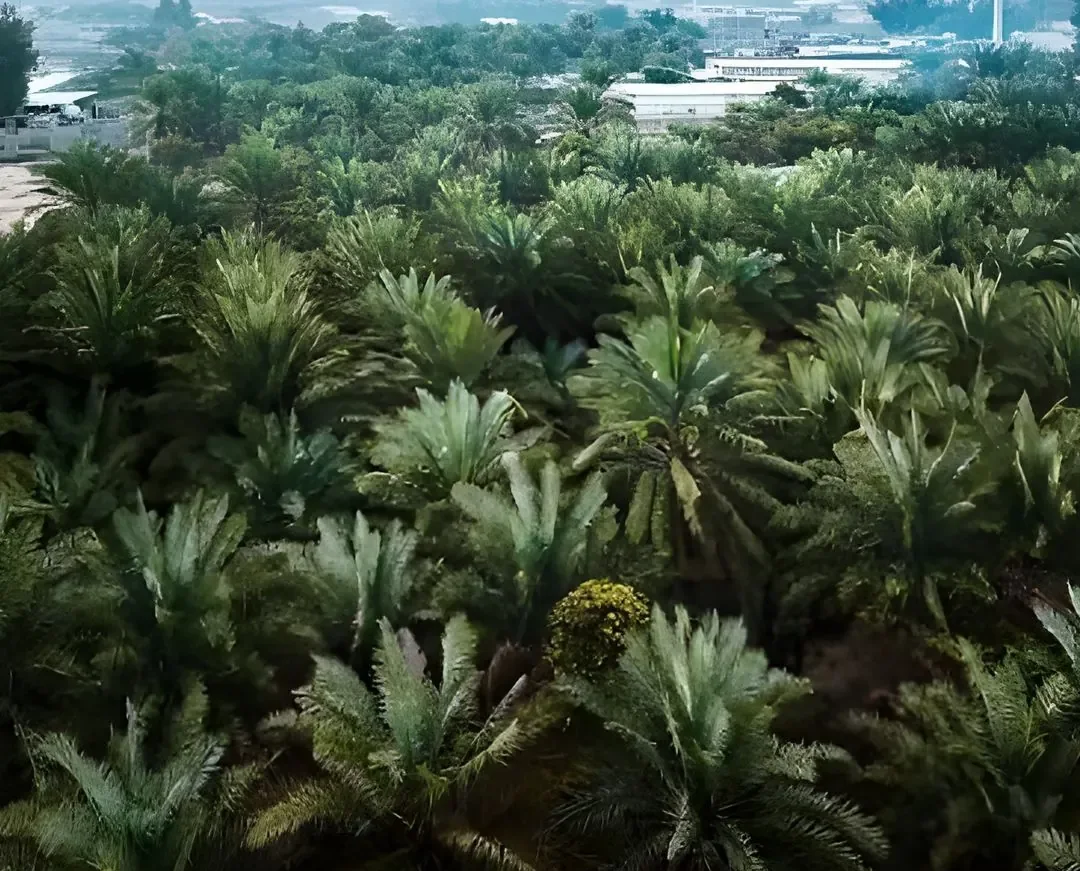 نخيل صفوىالنخلة قلب الزراعة في واحة القطيف، ومصدر الغذاء والعمل والبيت.
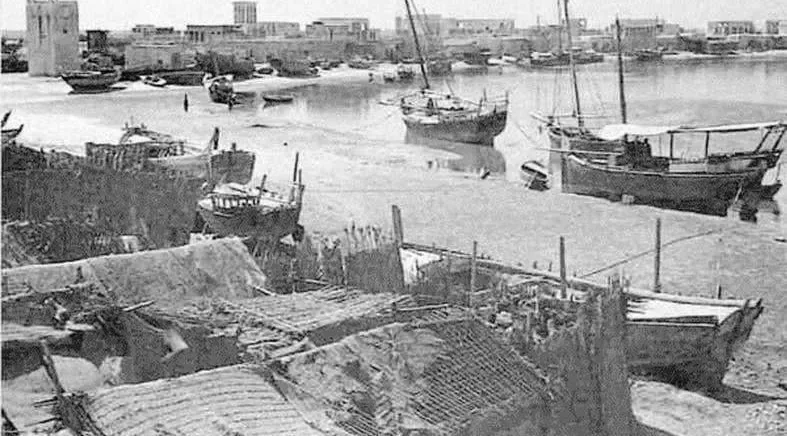 الغوص على اللؤلؤأهم مصدر للرزق بعد الزراعة حتى الثلاثينيات.
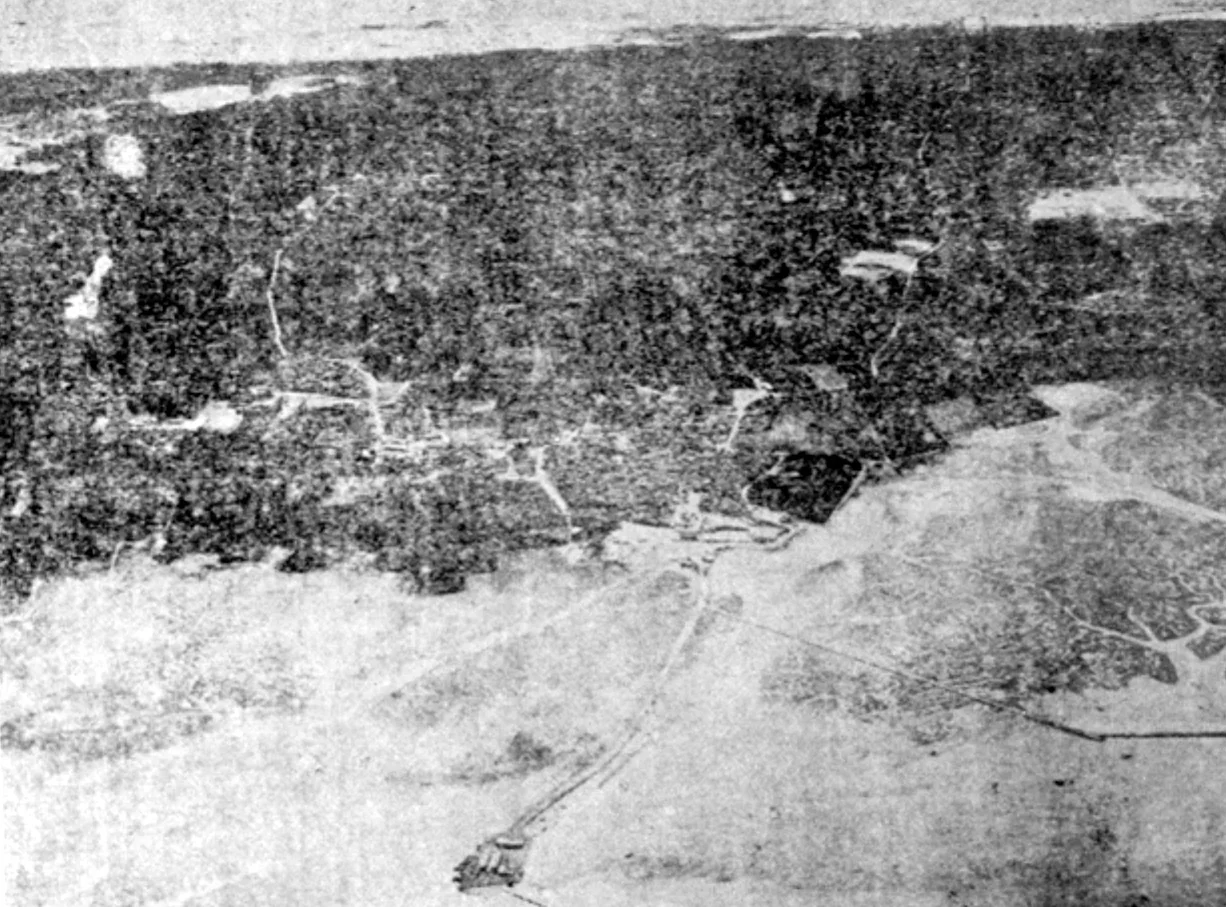 واحة القطيفالواحة الخضراء التي تقع صفوى في طرفها الشمالي: أسماؤها وأرضها ومناخها.
 العمارة التقليديةبيوت الحجر والجص حول الحوي، والأزقة والصوابيط، وما صنعه البحر والنخل في عمارة صفوى والواحة.